
Lawn & Garden • Iowa guide • Updated October 27, 2026
Fall Garden Cleanup Checklist for Iowa Yards: What to Clear, What to Leave
Explore related guides: Gardening in Iowa: all guides · Compost bins for cold climates · Pet-safe ice melt · When to plant garlic in Iowa · Solar lights for cold climates · When to plant tomatoes in Iowa · Best raised beds for Iowa · Garden tool storage ideas · Best garden carts · Bypass vs anvil pruners · Raised garden bed size · Gorilla dump cart review · Fiskars Ergo trowel review · When to fertilize your lawn in Iowa · When to plant tulip bulbs in Iowa · When to prune fruit trees in Iowa.
Fall cleanup in Iowa is less about making every bed bare and more about choosing what to remove. Iowa State University Extension now recommends leaving healthy perennial stems in place over winter, while clearing diseased plants, vegetable debris and leaves that smother the lawn. This fall garden cleanup checklist sorts each job by area and timing, using Iowa frost dates.

The short answer: leave what is healthy, remove what is sick
Perennial beds do not need to be cut to the ground after the first freeze. Healthy stems, seed heads and leaves protect plant crowns, catch blowing leaves as extra insulation, and shelter pollinators, beneficial insects and birds through winter. The exceptions are plants that had disease or insect problems this summer, aggressive self-seeders, and anything in the vegetable garden. Those are the jobs worth doing now.
When to do fall garden cleanup in Iowa
Use frost as your cue, not the calendar alone. In central and southwest Iowa, the average first fall frost arrives around the start of October, and the 2023 USDA hardiness map puts nearly all of Iowa in Zone 5, with small southwest and southeast areas now in Zone 6a.
| Location | Last spring frost | First fall frost | Growing season |
|---|---|---|---|
| Creston (Southwest Iowa) | About May 3 | About Oct 4 | 153 days |
| Ames (Central Iowa) | About May 2 | About Oct 2 | 152 days |
| Task | When | Why |
|---|---|---|
| Clear vegetable beds | After the first frost | Disease and pests overwinter in debris |
| Remove diseased perennial and shrub leaves | After plants die back | Reduces next year’s infection |
| Mulch-mow or rake lawn leaves | Often, while the leaf layer is thin and dry | Matted leaves block light from the grass |
| Cut back healthy perennials (optional) | November, after a hard freeze, or wait until early spring | Leaving them supports overwintering insects |
| Mulch over shallow-rooted perennials | After the ground freezes, typically by late November | Limits frost heaving |
| Cut back ornamental grasses | April | They add winter structure and movement |
Fall garden cleanup checklist by area
Perennial beds
- Leave healthy stems, leaves and seed heads standing until early spring.
- Remove and bag foliage from plants that had disease or pests this year, such as powdery mildew on bee balm or phlox, or borers in iris.
- Deadhead heavy self-seeders before seed drops, if you don’t want seedlings everywhere next spring.
- Rake leaves off the crowns of perennials if they pile up thickly, and use them around the plants instead.
- After the ground freezes, add about 4 inches of mulch over shallow-rooted perennials that tend to heave.
Vegetable garden
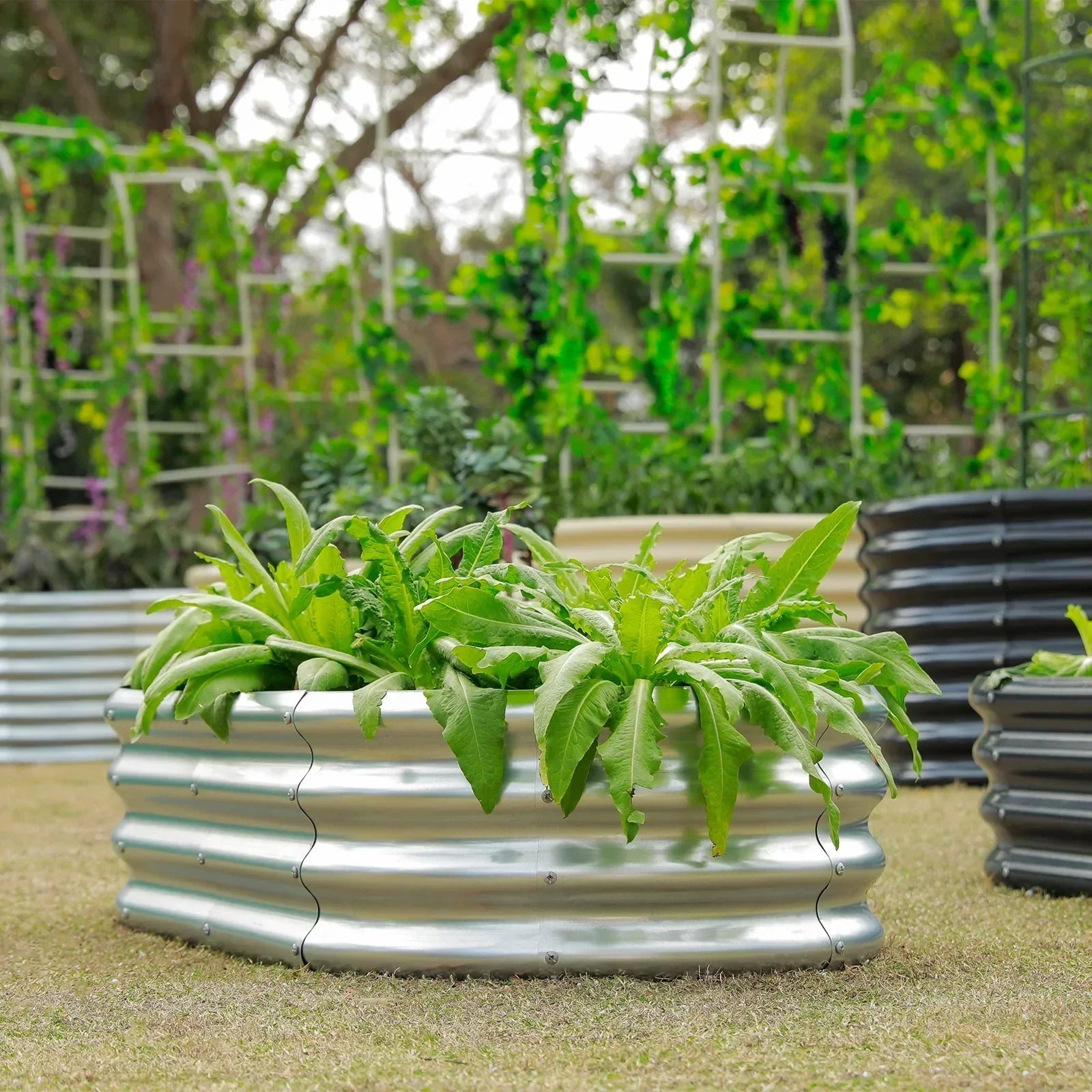
- After the first frost, remove spent plants, stems, leaves and fallen fruit.
- Clean tomato cages and stakes before storing them.
- Cover bare soil with mulch or plant a cover crop to reduce weeds and erosion over winter.
- Note what struggled this year so you can rotate crops and choose resistant varieties next spring.
Lawn
- Mow over thin layers of dry leaves with a mulching mower until little debris is visible.
- Where the leaves hide the grass completely, rake, blow or bag them, then compost them or use them as mulch.
- Mow several times as leaves fall instead of waiting for one heavy layer, especially under maples and oaks.
Fruit trees and berries
- Pick up fallen apples, pears and cherries to reduce codling moth and apple maggot.
- Rake and discard leaves from trees that had apple scab.
- Remove diseased raspberry canes; keep healthy asparagus and rhubarb foliage in place for winter protection.
Annuals and containers
- Pull annuals after frost, since they won’t overwinter.
- Empty, clean and store containers indoors so they don’t crack in freeze-thaw cycles.
- Dig tender bulbs and perennials and bring them inside before a hard freeze.
Tools, hoses and the cart
- Scrape caked soil off shovels, spades and rakes, wash and dry them.
- Sharpen blades and wipe metal with an oily rag to prevent rust.
- Sand rough wooden handles and rub them with linseed oil.
- Drain garden hoses and store them indoors, coiled flat or on a reel.
- Clean the garden cart, touch up paint chips and grease the wheels.
- Store pesticides and fertilizers in their original containers somewhere that stays above 40°F.
Compost or discard?
Healthy leaves and plant debris are excellent compost and mulch. Diseased material and weed seed heads are different: a pile must reach about 140°F to kill most pathogens, and most backyard piles never get that hot. Bag diseased debris for disposal or send it to a municipal compost site, which usually runs hotter. Check your city’s yard-waste rules too; some Iowa towns do not allow leaves to be raked into the street.
Tools that make fall cleanup easier
You don’t need new equipment for fall cleanup. If a tool is missing or worn out, these are the items we have already researched for Homingwell readers.
For hauling leaves and debris: Gorilla Carts Poly Dump Cart
Product pick
Gorilla Carts GOR4PS poly garden dump cart

Illustrative image (AI-generated), not the exact product.
A 4 cu ft, 600 lb-rated pull cart with a dump bed, for moving leaves, mulch and bagged debris to the compost pile. See our Gorilla dump cart review and our best garden cart guide.
Check the Gorilla Carts model on Amazon
For cutting diseased stems: Fiskars Bypass Pruning Shears
Product pick
Fiskars bypass pruning shears
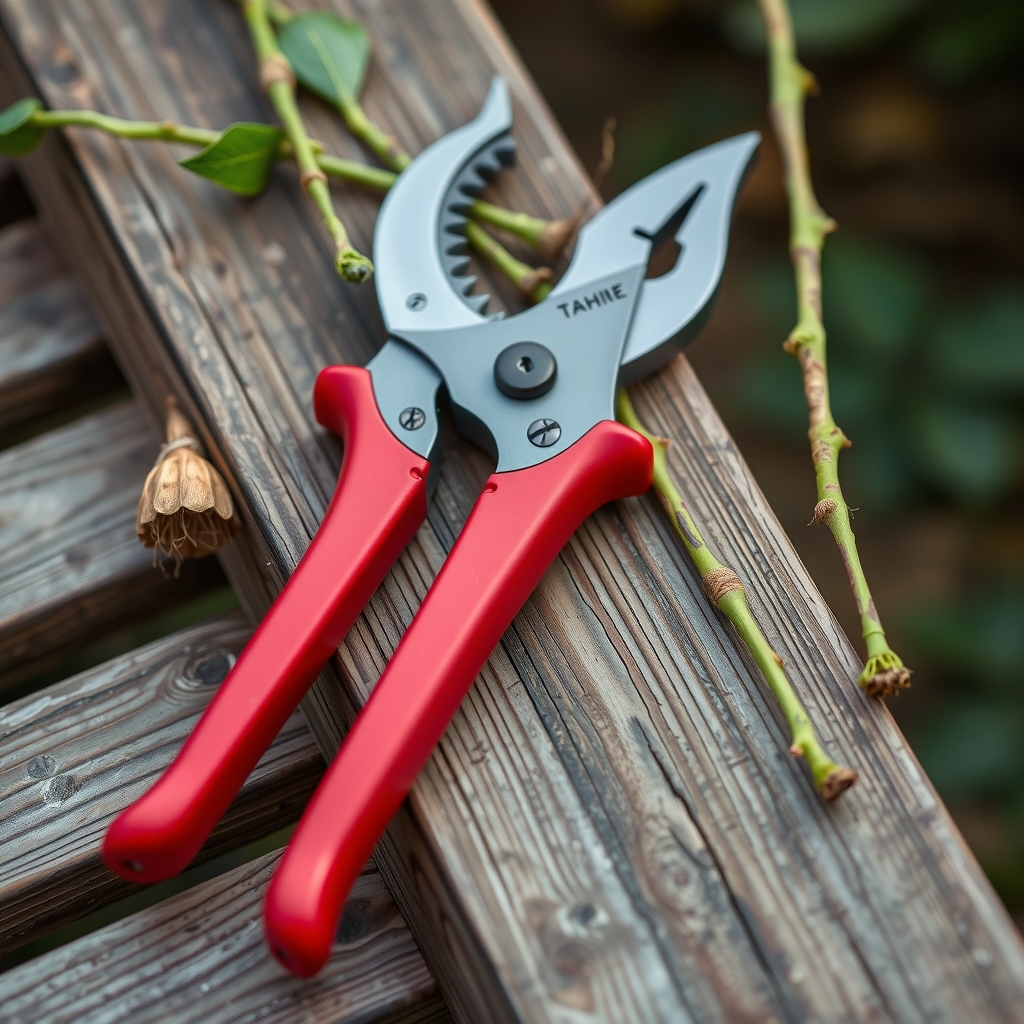
Illustrative image (AI-generated), not the exact product.
Bypass pruners make clean cuts on living stems when you remove diseased growth. Wipe the blades between plants. Compare blade types in our bypass vs anvil pruner guide.
Check the Fiskars pruners on Amazon
For lifting bulbs: Fiskars Ergo Garden Trowel
A hand trowel for lifting tender bulbs and tidying container soil before storage. Read our Fiskars Ergo trowel review · When to fertilize your lawn in Iowa · When to plant tulip bulbs in Iowa · When to prune fruit trees in Iowa.
Check the Fiskars trowel on Amazon
Conclusion
A good Iowa fall cleanup is selective. Clear the vegetable garden, diseased foliage and leaves that smother the lawn, then leave healthy perennials standing for winter. Clean and store your tools, and you will start spring with less work and fewer pests.
FAQs
Should I cut back perennials in the fall in Iowa?
Not necessarily. Iowa State University Extension recommends leaving healthy perennials standing over winter and cutting them back in early spring. If you prefer a tidy bed, most perennials such as peonies, daylilies and hostas can be cut back in November after a hard freeze. Always remove plants that had disease or insect problems.
Do I have to rake leaves in Iowa?
Not always. A thin layer can be chopped with a mulching mower and left on the lawn. A thick layer that hides the grass should be raked or bagged, because it blocks light and can leave dead patches.
When should I mulch perennials for winter in Iowa?
After the ground freezes, which is typically by late November in much of Iowa. About 4 inches of mulch over the crown helps shallow-rooted plants resist frost heaving.
Can I put diseased plants in my compost pile?
It’s best not to. Most home compost piles don’t reach the roughly 140°F needed to kill most disease organisms. Bag them for disposal, or use a municipal compost facility.
Sources and review scope
This guide was prepared on October 27, 2026 from the following sources. Homingwell did not perform field testing.
- Iowa State University Extension – Managing Fallen Leaves and Fall Cleanup
- Iowa State University Extension – Fall Garden Tasks
- Iowa State University Extension – Preparing garden tools for winter
- Iowa State University Extension – Winter Garden Tasks
- Iowa State University Extension – 2023 USDA Plant Hardiness Zone Map
- Old Farmer’s Almanac – Frost dates for Creston, IA and Ames, IA
Explore more Lawn & Garden buying guides.