
Lawn & Garden • Winter • Updated October 29, 2026
Best Compost Bins for Cold Climates: 6 Picks
Explore related guides: Gardening in Iowa: all guides · Fall garden cleanup · Winterize raised beds · Winter bird feeders · Soil test kits.
Fall leaves and kitchen scraps make free garden soil, but a Midwest winter can freeze a small compost bin solid by January. The best compost bin for cold climates is big enough to hold heat, has a lid to keep snow out, and fits how much material you have. This guide explains how composting works in the cold, bins versus tumblers, how to keep compost going through winter, and six picks sold by Amazon.com.
The short answer
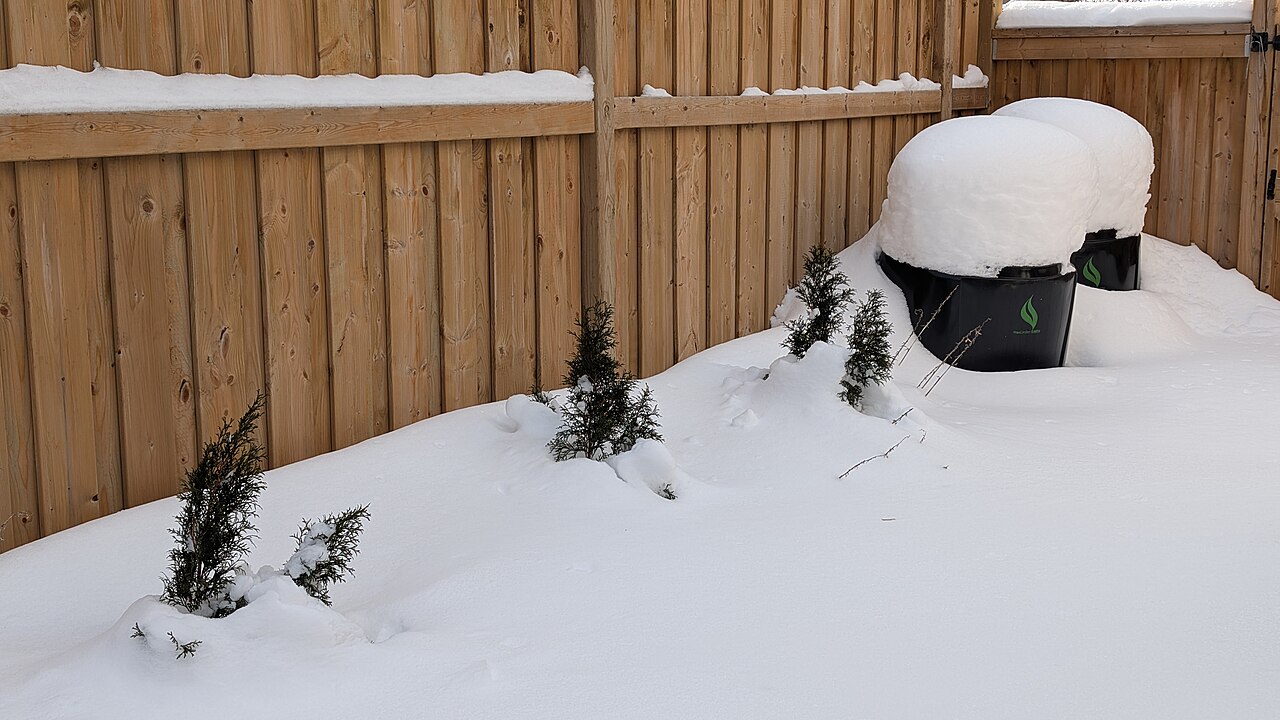
In a cold climate, size matters most. A large stationary bin of about 80 gallons, filled with a good mix of leaves and scraps, holds enough heat to keep working longer into winter. A dual-chamber tumbler is the tidier, rodent-resistant choice for smaller yards, but expect it to pause in the coldest weeks. For year-round composting, add an indoor worm bin in the basement and a lidded kitchen pail to collect scraps between trips outside.
How composting works in a cold climate
University of Illinois Extension explains that freezing weather slows composting rather than stopping it. In the hot, active phase, heat-loving bacteria work best between about 113 and 167°F. Below 68°F, cold-tolerant bacteria take over, but they work more slowly. The bigger the pile, the more heat it makes and keeps; small piles are prone to freezing, which halts composting until spring.
That is why a pile of about 1 cubic yard, roughly 3 by 3 by 3 feet, is the usual target. Iowa State University Extension adds that piles should be built in layers, because too much of any one material slows things down. A pile of mostly leaves, for example, lacks the nitrogen microbes need.
Compost bin for cold climates: bin or tumbler?
| Stationary bin | Tumbler | |
|---|---|---|
| Typical capacity | About 7 to 20 cubic feet | About 4 to 15 cubic feet |
| Winter heat | Better: more volume holds more heat | Smaller drum freezes sooner |
| Turning | Pitchfork or aerator | Spin the drum |
| Pests and tidiness | Lid helps; open bottom touches soil | Sealed drum keeps rodents out |
| Adding material | Add any time | Dual chambers let one side finish |
An Ohio extension expert notes that tumblers keep rodents out, look tidy and are easy to turn, but they hold less material than a bin of the same footprint and usually cost more. For most Iowa and Midwest yards with plenty of fall leaves, a large bin is the better winter workhorse, and a tumbler works well alongside it for kitchen scraps.
How to keep compost going through winter
- Fill it in fall. A full bin heads into winter warmer than a half-empty one. Mix shredded leaves with grass clippings or garden waste.
- Stockpile browns. Bag dry leaves now so you have carbon to cover kitchen scraps all winter.
- Pick a sunny, sheltered spot. Afternoon sun and a windbreak help. Keep it close enough to reach after a snowstorm.
- Insulate. Stack straw bales or bags of leaves around the bin, or wrap it with a tarp.
- Bury scraps in the center. North Carolina State Extension suggests tucking new scraps into the warm middle of the pile and covering them, which also discourages pests.
- Keep it covered. A lid stops snow and rain from soaking the pile.
- Do not worry about turning. Turning in deep cold lets heat escape; wait for a thaw.
- Go indoors if needed. Illinois Extension suggests worm bins or Bokashi buckets when outdoor composting is not practical in the coldest months.
Finished compost is ready for spring beds. If you are getting raised beds for Iowa ready, a few inches of compost on top is the easiest soil upgrade.
Best compost bins and tools for cold climates
All six were listed as sold by Amazon.com at the time of writing. Check the current listing before you buy.
Best for winter: VEVOR 80-Gallon Garden Compost Bin
Product pick
VEVOR 80-Gallon Garden Compost Bin
Illustrative image (AI-generated), not the exact product.
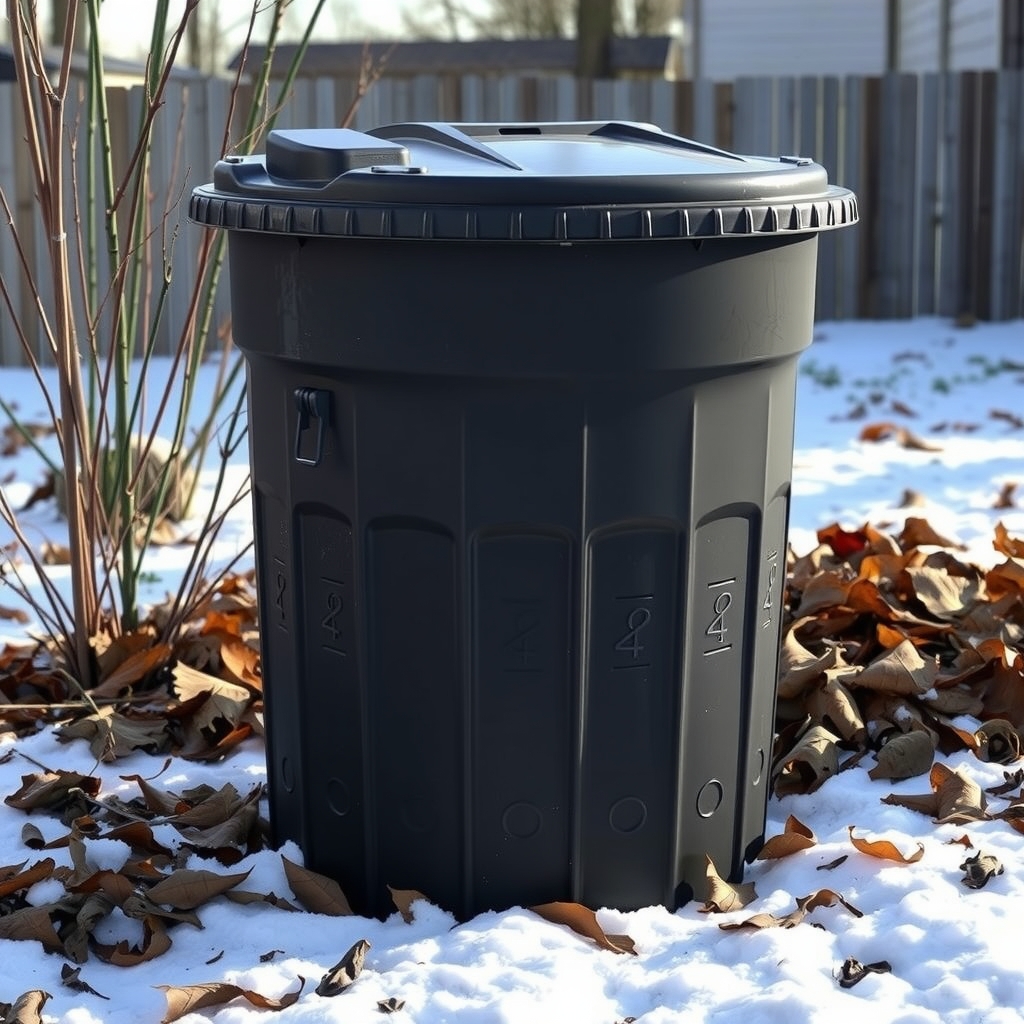
At about 80 gallons, or roughly 10.7 cubic feet, this stationary bin holds enough material to keep working longer into a Midwest winter than a small tumbler. The black, UV-resistant plastic absorbs sun, vents on all four sides let air in, a top lid keeps out snow and critters, and a bottom door lets you pull finished compost from the base. It assembles in minutes.
Best tumbler: VEVOR 43-Gallon Dual-Chamber Compost Tumbler
Product pick
VEVOR 43-Gallon Dual-Chamber Compost Tumbler
Illustrative image (AI-generated), not the exact product.
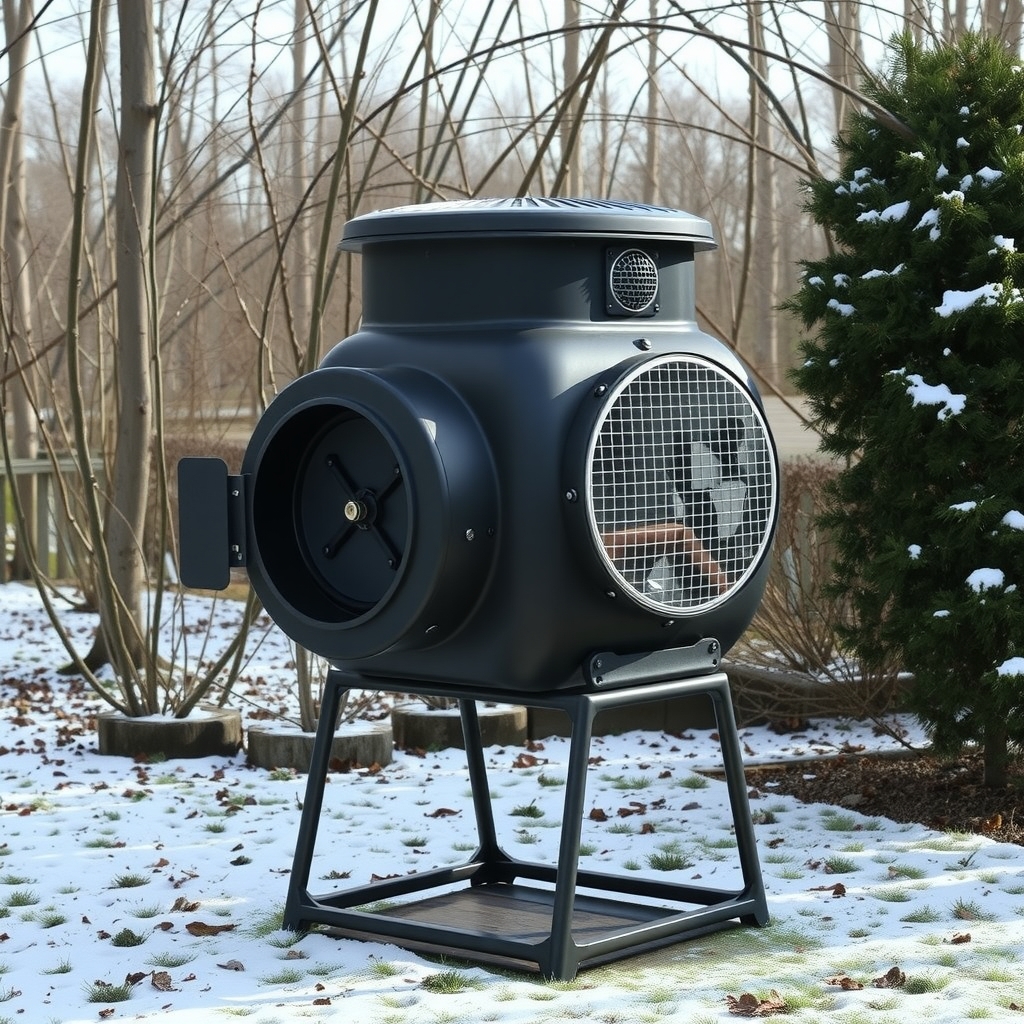
Two chambers let one batch finish while you add fresh scraps to the other. A sliding door with a large opening makes loading and emptying easy, internal grooves break up clumps as it turns, and the frame is rated for about 110 pounds. A tumbler is tidy and rodent-resistant, but the smaller volume means it will slow down or freeze in the coldest weeks.
Tumbler alternative: East Oak 43-Gallon Dual-Chamber Compost Tumbler
Product pick
East Oak 43-Gallon Dual-Chamber Compost Tumbler
Illustrative image (AI-generated), not the exact product.
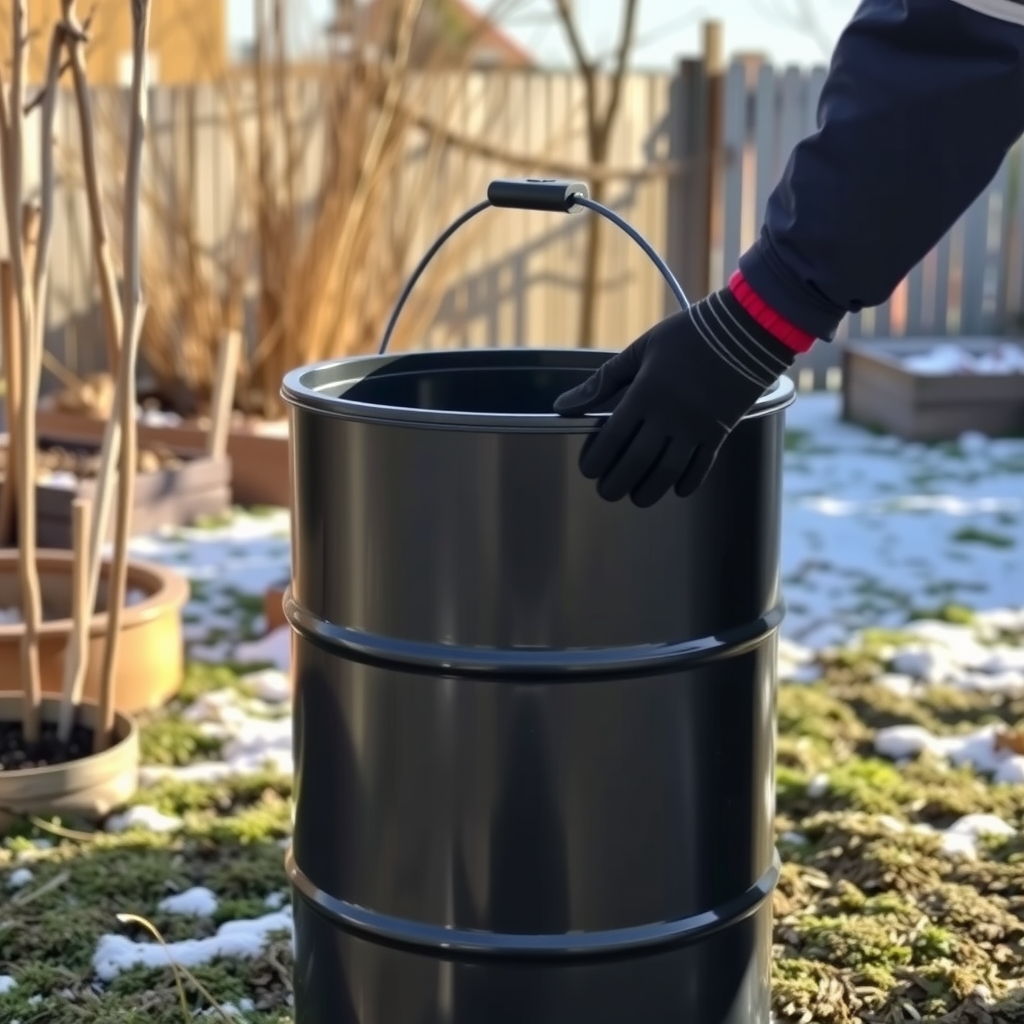
Another 43-gallon dual-chamber tumbler, with a black drum that absorbs sunlight, aeration holes, deep fins for easy turning and a powder-coated steel frame. It is a good alternative if the VEVOR is out of stock. As with any tumbler, keep the green and brown balance right and expect slower progress in deep cold.
For indoor winter composting: FCMP Outdoor Essential Living Composter Worm Bin
Product pick
FCMP Outdoor Essential Living Composter, 2-Tray Worm Bin
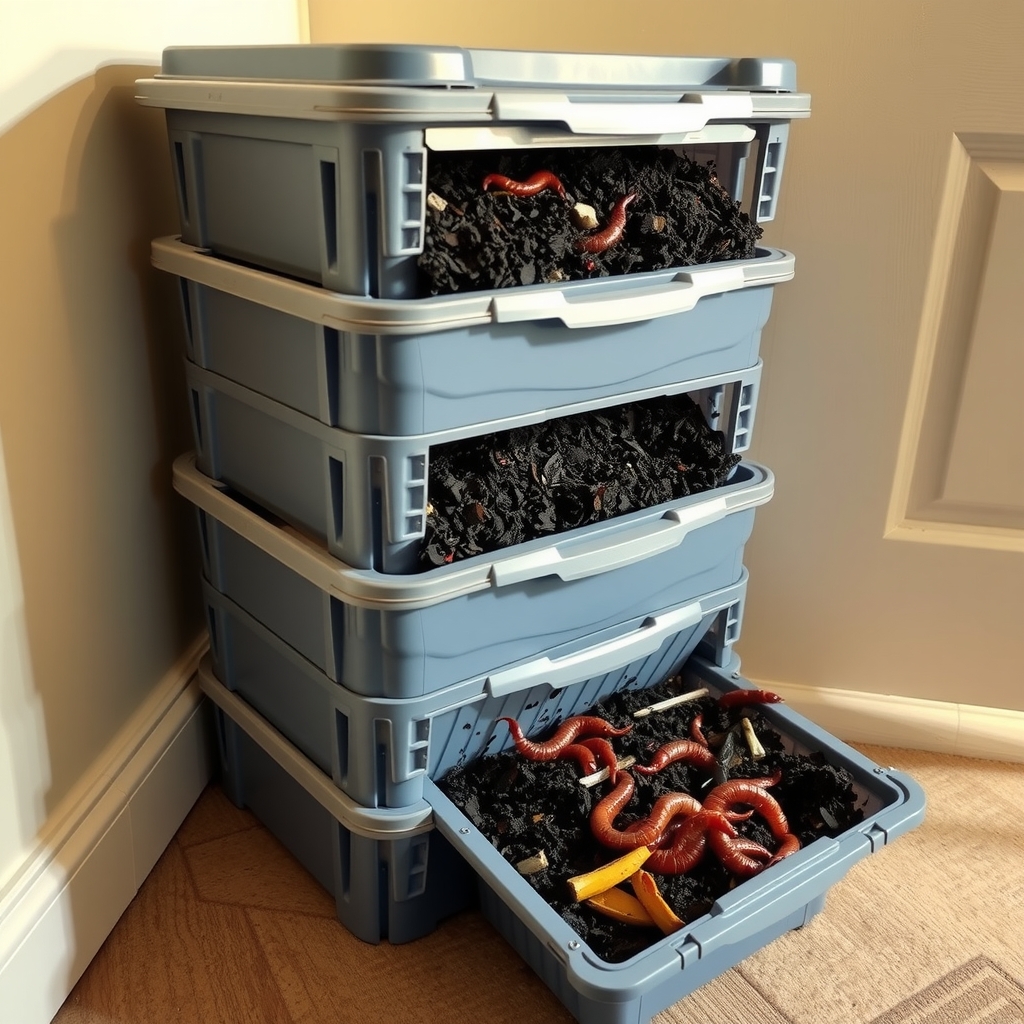
Illustrative image (AI-generated), not the exact product.
When the outdoor bin freezes, worms keep working indoors. Extension guidance is to keep worm bins between about 59 and 77°F, so a basement or heated garage is ideal. This two-tray bin has a moisture channel to keep bedding from drying out, and a base reservoir that collects liquid you can dilute for houseplants. Worms are sold separately.
For collecting scraps: Chef’n EcoCrock Counter Compost Bin
Product pick
Chef’n EcoCrock Counter Compost Bin, 0.75 Gallon
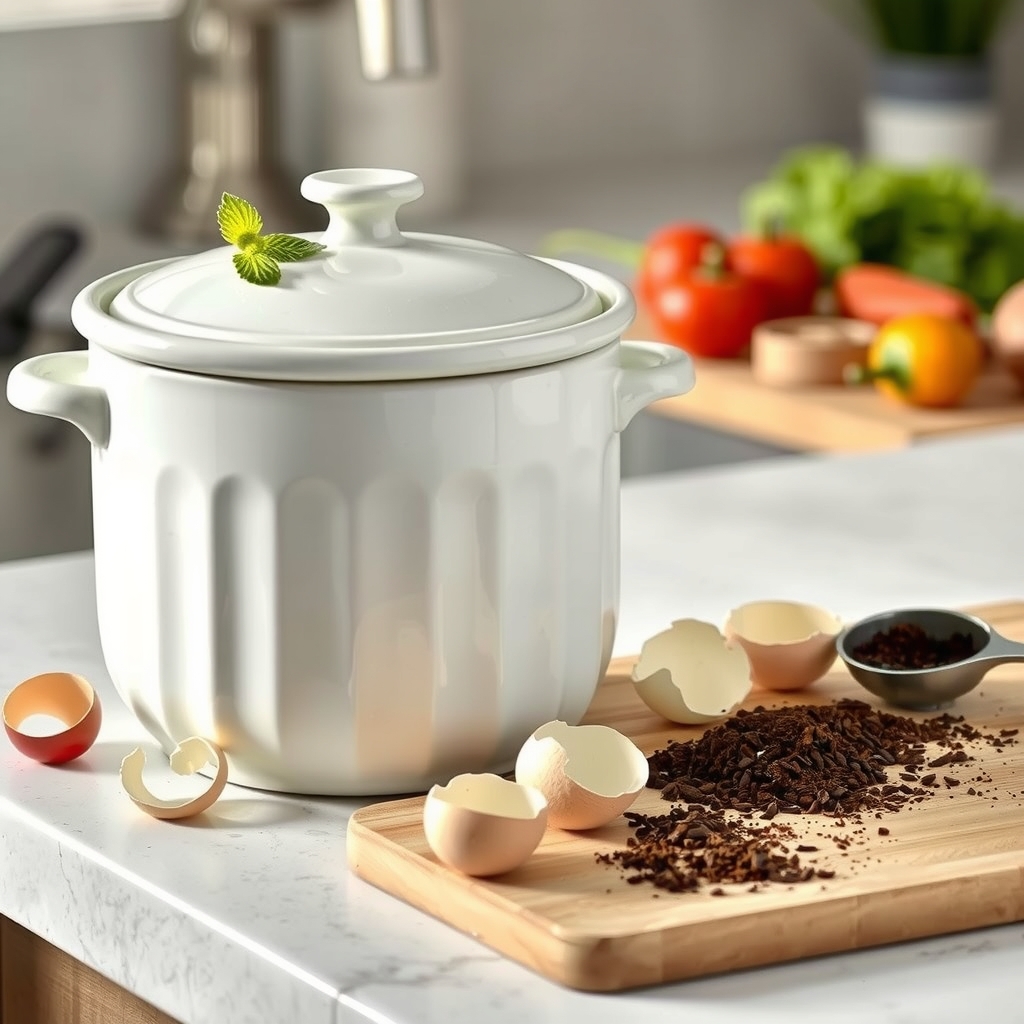
Illustrative image (AI-generated), not the exact product.
A lidded kitchen pail means fewer cold trips to the bin. This 0.75-gallon ceramic crock has a removable inner bucket for easy emptying and a vented lid with replaceable charcoal filters to trap odors. Empty it every few days and cover each addition outdoors with leaves.
For spring: Achla Designs Compost Sifter Screen
Product pick
Achla Designs Compost Sifter Screen with Handles
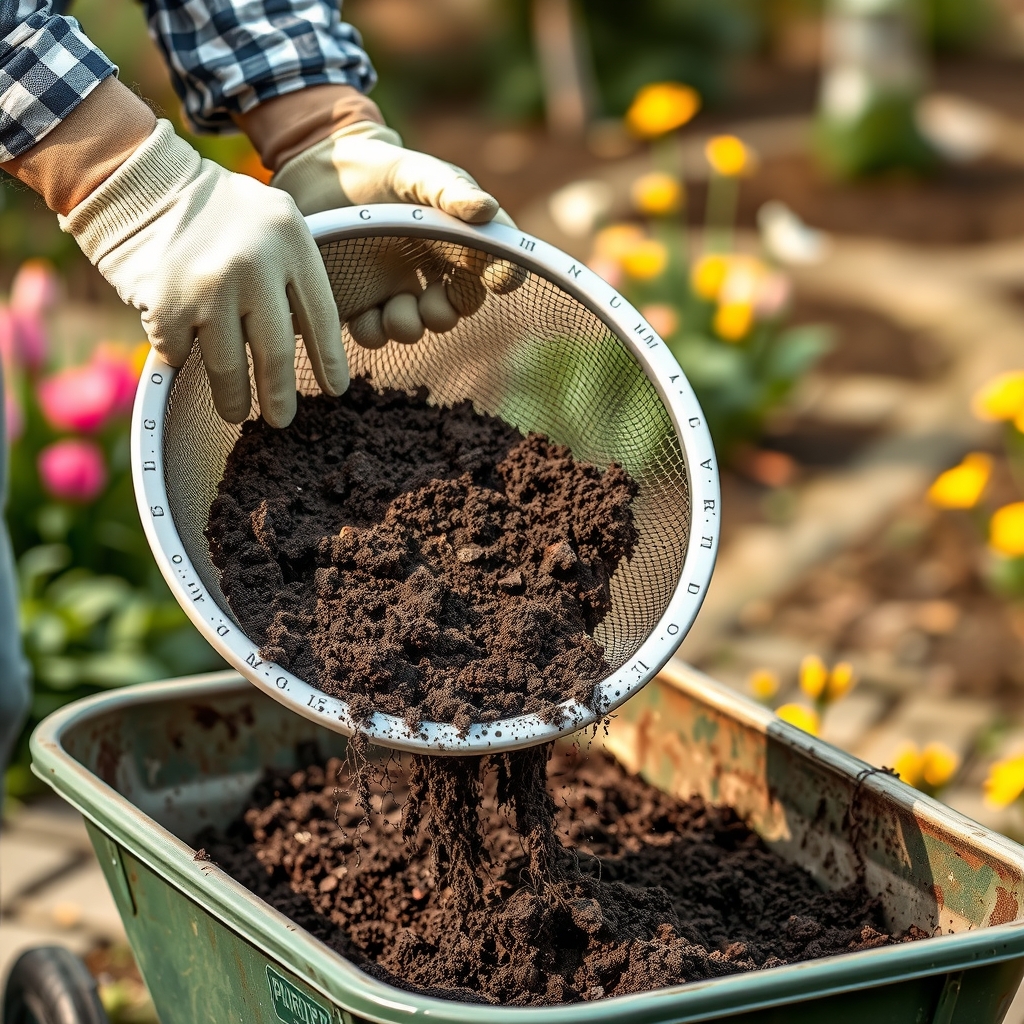
Illustrative image (AI-generated), not the exact product.
Winter compost often comes out of the bin chunky. This galvanized steel screen with 3/8-inch mesh sifts out fine compost for seed starting and beds, and you toss the big pieces back in the bin. The handles make it easy to shake over a wheelbarrow.
Conclusion
The best compost bin for cold climates is a large, lidded bin filled well in fall, insulated, and fed with scraps buried in the center. Add a tumbler if you want a tidy, rodent-proof option for kitchen waste, and a worm bin indoors to keep composting through the deep freeze. Come spring, sift the finished compost and spread it on your beds.
FAQs
Does compost work in winter?
Yes, but slowly. University of Illinois Extension notes that cold slows composting rather than stopping it. Large piles hold heat and keep working, while small bins often freeze and pick up again when it warms in spring.
Is a compost tumbler or a bin better for cold climates?
A large stationary bin holds more material, and volume is what keeps compost warm in winter. A tumbler is tidier, keeps out rodents and is easier to turn, but it holds less and often freezes solid in a Midwest January.
How big should a compost bin be for winter?
Aim for about 1 cubic yard, roughly 3 by 3 by 3 feet. Piles that size or larger generate and hold more heat. Smaller bins and tumblers still work, but expect them to pause in deep cold.
Can I add kitchen scraps to compost in winter?
Yes. Keep scraps in a lidded kitchen pail, bury them in the center of the pile where it is warmest, and cover each addition with a layer of leaves or other browns.
How do I keep my compost bin from freezing?
Fill it well in fall, put it in a sunny spot out of the wind, and insulate it with straw bales, bagged leaves or a tarp. Cover the pile so snow and rain do not soak it.
What can I compost indoors in winter?
A worm bin kept between about 59 and 77°F in a basement or heated garage turns fruit and vegetable scraps into worm castings all winter. Bokashi buckets are another indoor option.
Sources and review scope
This guide was prepared on October 29, 2026 from the following sources and from the product listings on Amazon.com. Homingwell did not perform hands-on testing. Sellers were checked on Amazon.com on the same date.
- University of Illinois Extension – Winter composting (PDF)
- NC State Extension – Winterizing your compost
- Ask Extension (Ohio) – Compost bin or tumbler?
- Ask Extension – Composting in the snow
- Homegrown Iowan – Compost happens (ISU Extension layering advice)
- Eartheasy – Compost tumblers vs compost bins
Explore more Lawn & Garden buying guides.