
Lawn & Garden • Pruning Tools • Updated October 30, 2026
Best Loppers for Pruning Trees and Shrubs (2026 Guide)
Explore related guides: When to prune fruit trees in Iowa · Bypass vs anvil pruners · Garden tool storage for winter · Gifts for gardeners under $50 · Best pruning shears.
Loppers are the tool for branches too thick for hand pruners and too thin to need a saw. The best loppers for you depend on three things: the blade type (bypass or anvil), how thick your branches are, and how much leverage you need. This guide explains each choice using university extension advice, then lists six loppers that were sold by Amazon.com when we checked.
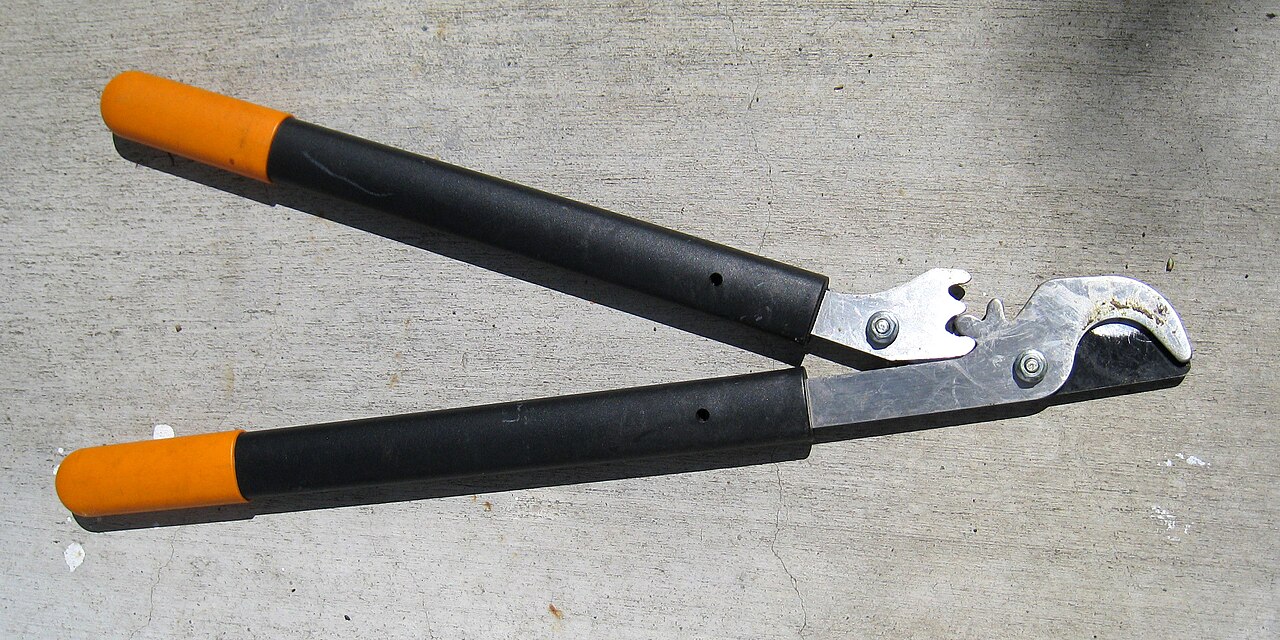
Quick picks
| Best for | Lopper | Type | Listed cut capacity |
|---|---|---|---|
| Best value, most yards | Fiskars 28″ Bypass Loppers | Bypass, 28 in | 1.5 in |
| Shrubs and tight spaces | Fiskars 18″ PowerGear2 | Geared bypass, 18 in | 1.5 in |
| Thick live branches | Corona 33″ DualLINK | Compound bypass, 33 in | 2 in |
| Reaching higher | Corona SL 3364 ComfortGEL | Extendable bypass, 28 to 35 in | 1.5 in |
| Heavy use, orchards | Corona X Series Pro | Bypass | 2-1/4 in |
| Dead, dry wood | Fiskars 32″ Ratchet Drive | Ratchet anvil, 32 in | 2 in |
Bypass or anvil: pick the blade first
- Bypass loppers work like scissors: a sharp curved blade slides past a thicker hook. University of Maryland Extension calls bypass tools superior because they reduce tearing and crushing of plant tissue. Use them for live wood: fruit trees, shrubs, roses and young shade trees.
- Anvil loppers press a straight blade onto a flat anvil, like a knife on a cutting board. University of Missouri Extension notes that this action tends to crush tissue but can cut through thicker limbs. Save them for dead, dry branches and for cutting up brush.
Rule of thumb: if you only buy one pair, buy bypass. Most pruning is on living wood.
Cut capacity: match the branch size
NC State Extension places loppers in the range of roughly 1/2 inch to 1-1/2 inches, and recommends a pruning saw above 1-1/2 inches. Missouri Extension notes that bypass loppers are generally used on branches up to about 2-1/2 inches. Listed capacities are a maximum, not a comfortable everyday size: working well below the limit gives cleaner cuts and less strain on the tool.
| Branch diameter | Best tool |
|---|---|
| Up to 3/4 inch | Bypass hand pruners |
| 3/4 to 1-1/2 inches | Standard bypass loppers |
| 1-1/2 to 2 inches | Geared, compound or ratchet loppers |
| Over 2 inches | Pruning saw |
Gears, ratchets and handle length
- Handle length. Longer handles (28 to 33 inches) give more leverage and reach. Short loppers (15 to 20 inches) are easier to steer inside a dense shrub.
- Gears and compound linkages. Virginia Tech Extension suggests loppers with gears or ratchets for heavy-duty pruning. Fiskars PowerGear and Corona DualLINK are examples: they multiply your force so a thick branch takes less effort.
- Ratchets. A ratchet lopper closes in several small squeezes. It is slower, but helpful if you have limited hand or arm strength.
- Extendable handles. Telescoping handles add reach for higher branches without a ladder.
- Bumpers. Missouri and Virginia Tech Extension both point to shock-absorbing bumpers near the blades, which reduce strain on your elbows during long sessions.
The 6 best loppers (sold by Amazon.com)
1. Best value: Fiskars 28-Inch Bypass Loppers
Best value
Fiskars 28” Garden Bypass Loppers, 1.5-Inch Cut Capacity

Illustrative image (AI-generated), not the exact product.
A simple, lightweight bypass lopper for the 1/2 to 1-1/2 inch branches most yards produce. Fiskars lists steel blades with a low-friction coating that reduces gumming and resists rust, and non-slip grips. No gears, so very tough branches take more effort, but it is the easiest pick to recommend for everyday pruning.
Good for: fruit tree water sprouts, shrubs, small trees. Skip if: you regularly cut branches near 2 inches.
2. Best compact: Fiskars 18-Inch PowerGear2 Bypass Loppers
Best compact
Fiskars 18” PowerGear2 Garden Bypass Loppers, 1.5-Inch Capacity
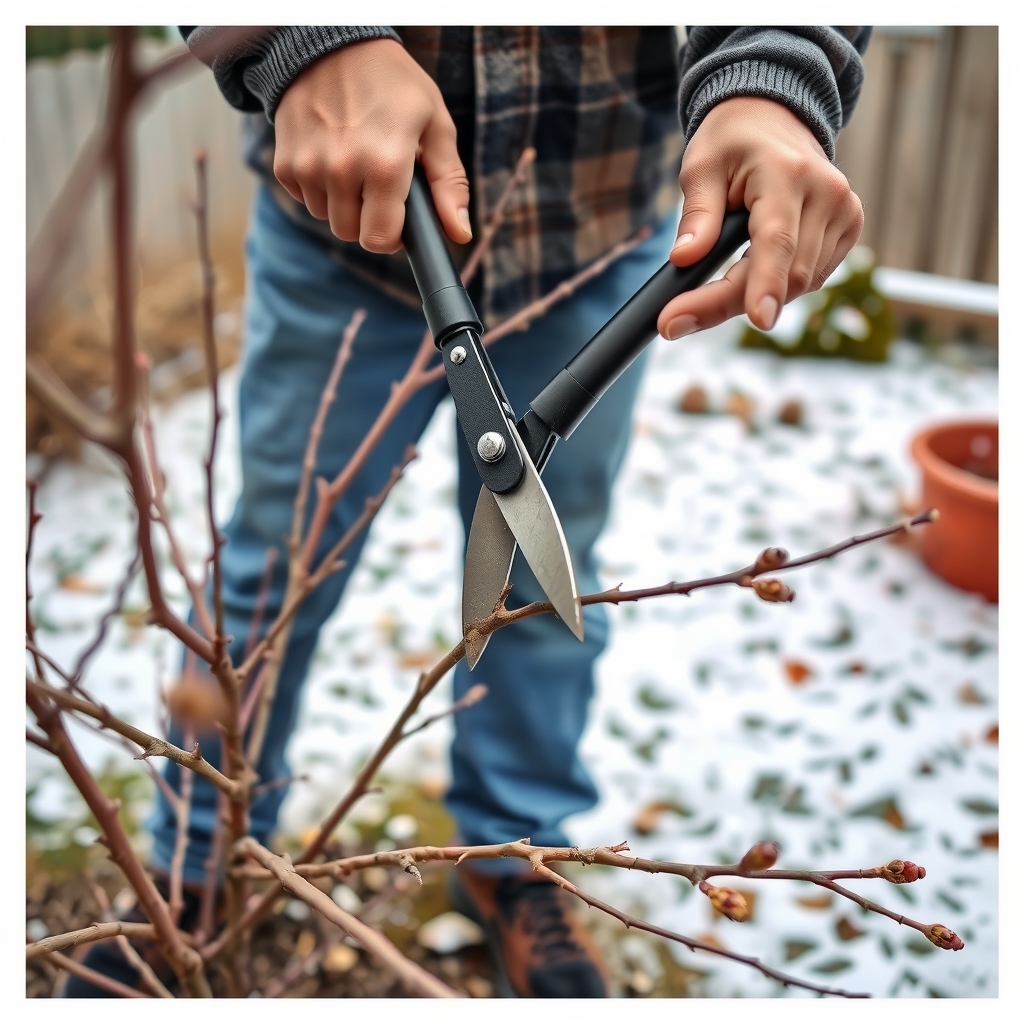
Illustrative image (AI-generated), not the exact product.
Short handles make this lopper easy to work inside shrubs, hedges and roses, and the PowerGear2 mechanism multiplies leverage so you don’t lose much cutting power. Fiskars lists fully hardened steel bypass blades with a low-friction coating and rounded SoftGrip handles.
Good for: shrubs, roses, small gardens. Skip if: you need reach into a tree.
3. Best for thick live branches: Corona 33-Inch DualLINK Bypass Loppers
Heavy-duty bypass
Corona Tools 33” Bypass Loppers with DualLINK MAXFORGED, 2-Inch Capacity
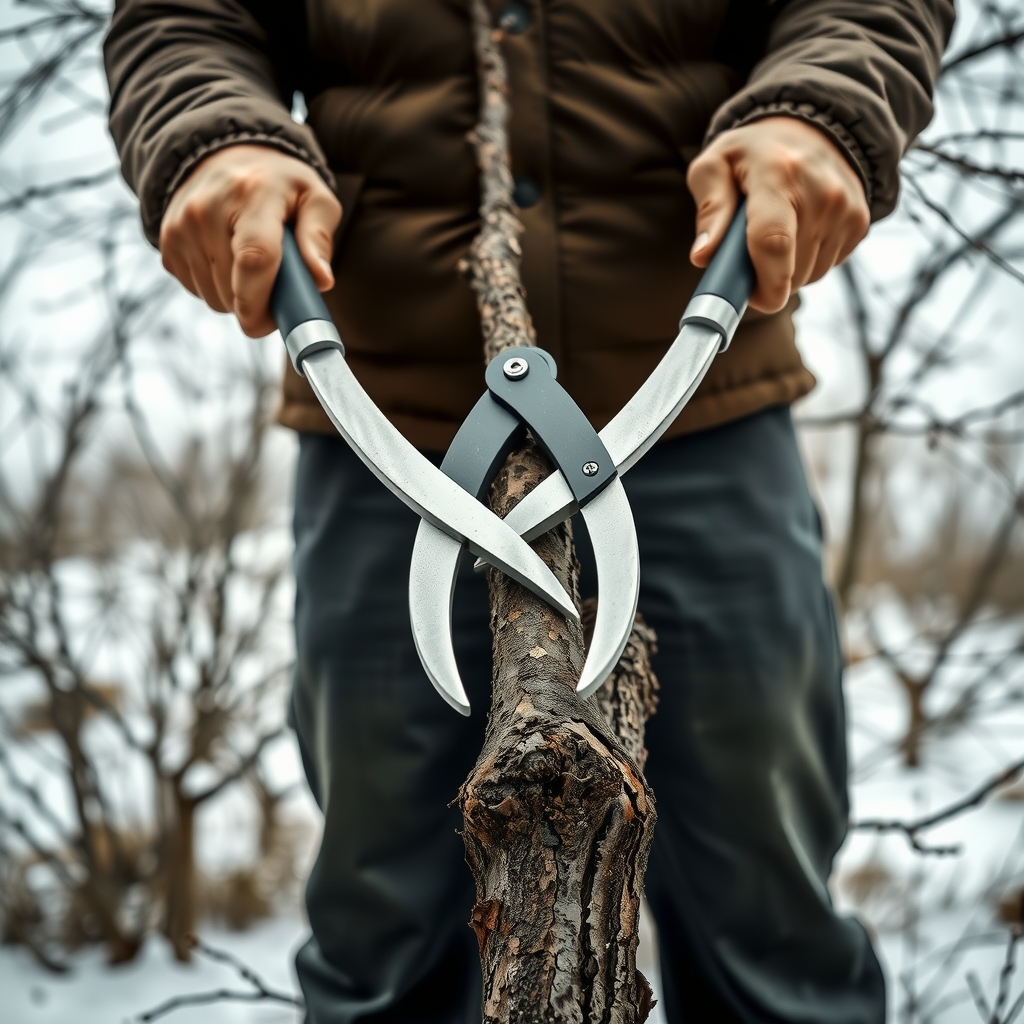
Illustrative image (AI-generated), not the exact product.
Corona’s DualLINK compound linkage increases cutting force, and the 33-inch handles add leverage and reach. Corona lists forged steel blades and a 2-inch capacity, so this is the bypass pick for larger live limbs that would stall a basic lopper.
Good for: overgrown shrubs, neglected fruit trees, larger yards. Skip if: you want a light tool for quick trims.
4. Best extendable: Corona SL 3364 ComfortGEL Extendable Bypass Lopper
Extendable
Corona SL 3364 ComfortGEL Extendable Bypass Lopper, 1-1/2 Inch Cut
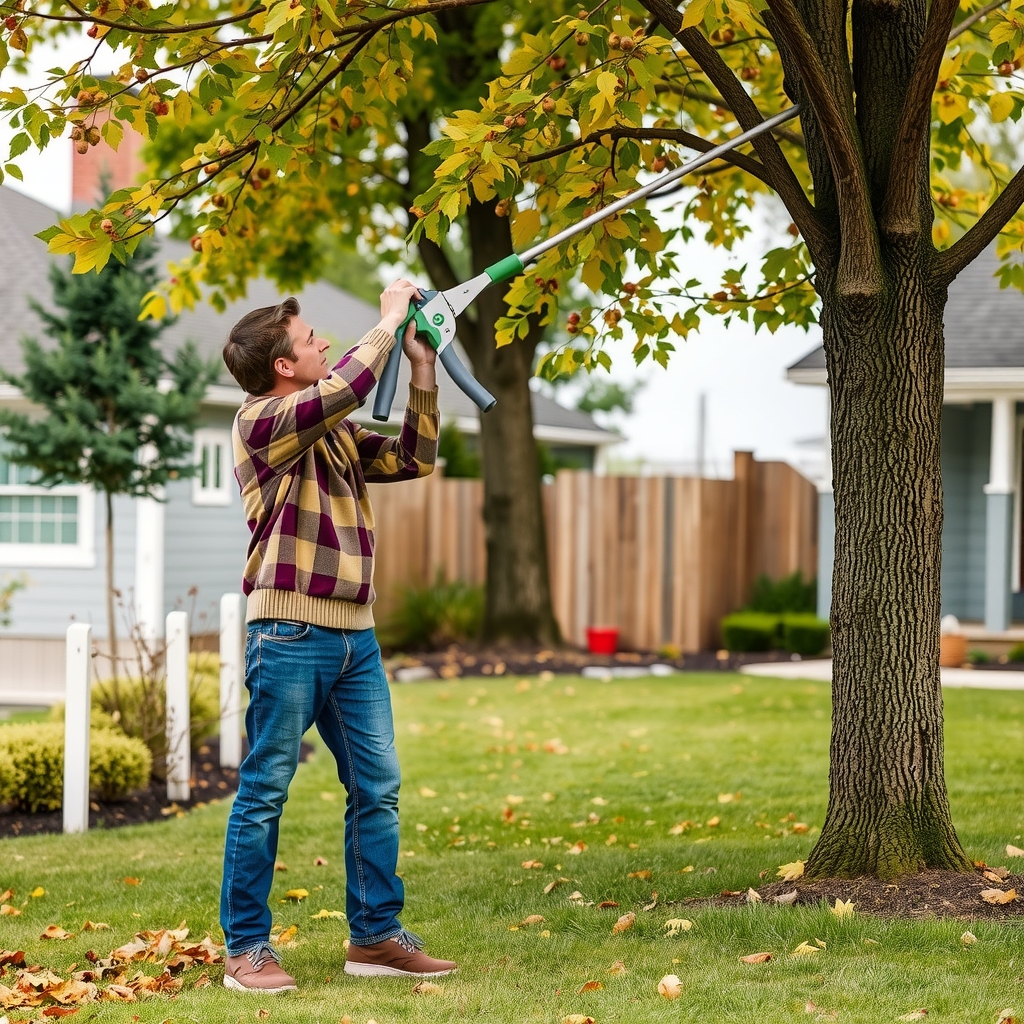
Illustrative image (AI-generated), not the exact product.
Steel-core handles extend from 28 to 35 inches, so you can cut a little higher without a ladder and shorten the handles again for close work. Corona lists a non-stick blade coating and ComfortGEL grips.
Good for: taller shrubs and lower tree limbs. Skip if: your branches are mostly over 1-1/2 inches.
5. Best for heavy use: Corona X Series Pro Bypass Lopper
Pro pick
Corona Tools X Series Pro Bypass Lopper, 2-1/4-Inch Capacity
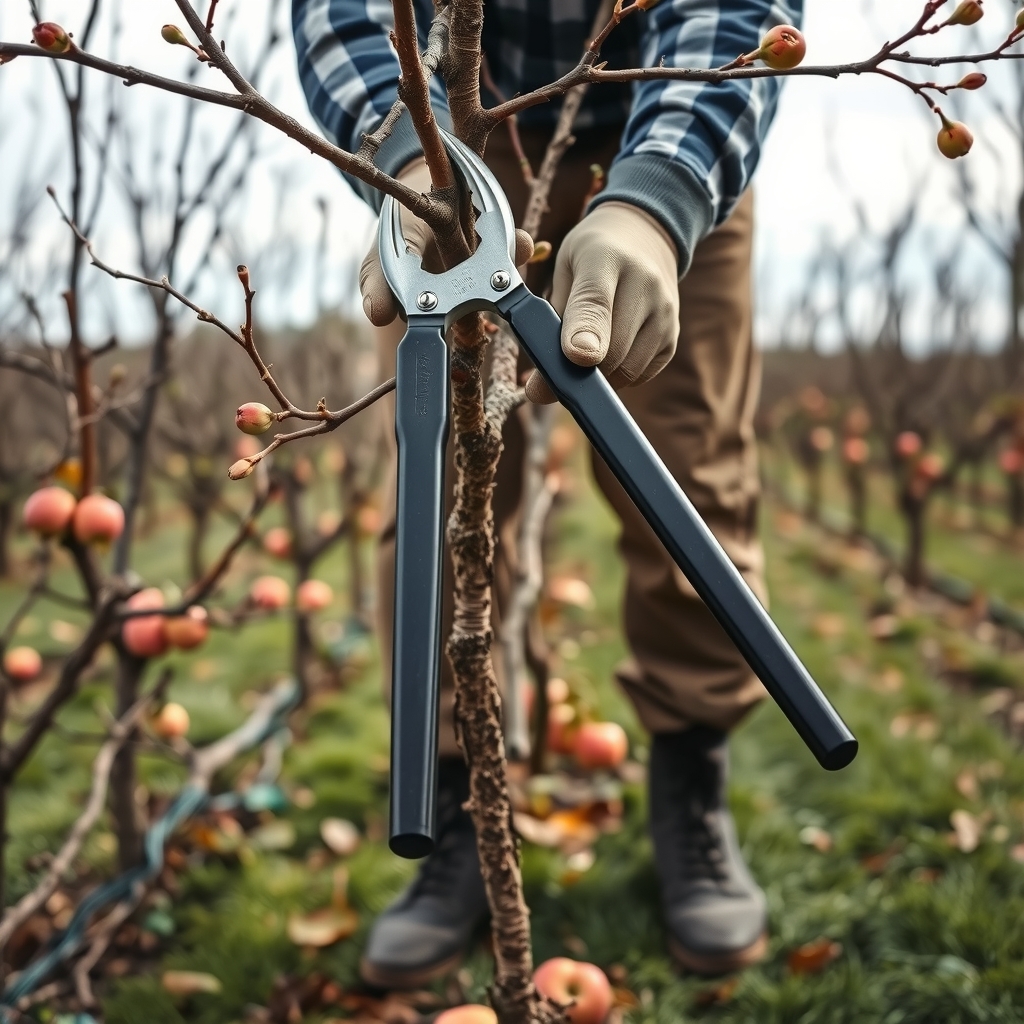
Illustrative image (AI-generated), not the exact product.
Corona’s pro-grade line, with the largest listed capacity here at 2-1/4 inches. The bypass blade suits live wood, and Corona lists heavy-duty construction and ergonomic handles for repeated use. It costs more than the others, so it makes most sense for orchards, big properties or a gardener who prunes every winter.
Good for: orchards, acreages, frequent pruning. Skip if: you prune a few shrubs a year.
6. Best for dead wood: Fiskars 32-Inch Ratchet Drive Anvil Loppers
Dead wood
Fiskars 32” Ratchet Drive Garden Anvil Loppers, 2-Inch Capacity
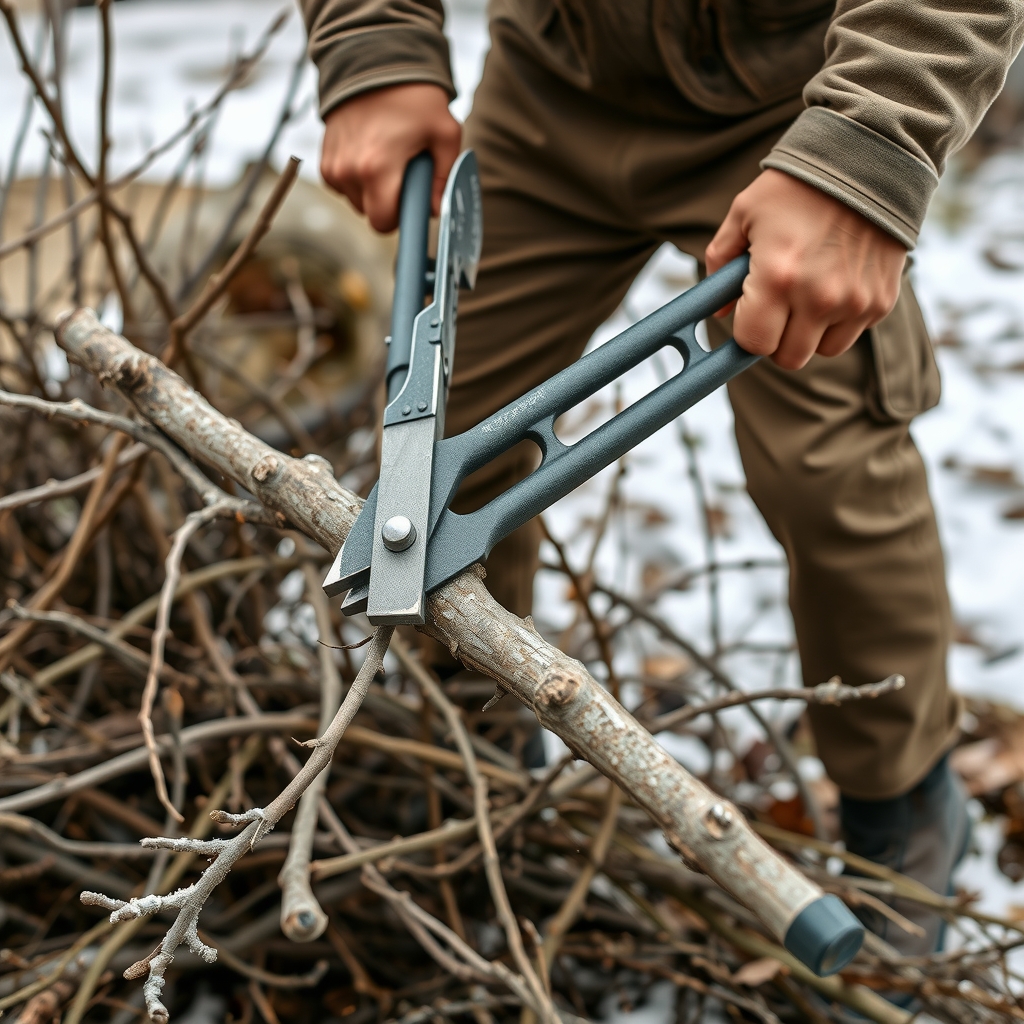
Illustrative image (AI-generated), not the exact product.
The ratchet builds force over a few easy squeezes, which helps on hard, dry branches and for gardeners with less grip strength. Fiskars lists a hardened, precision-ground steel blade with a low-friction coating and a 2-inch capacity. As an anvil tool, it is meant for dead wood, not live pruning.
Good for: storm cleanup, dead limbs, cutting brush into pieces. Skip if: this would be your only lopper.
How to use and care for loppers
- Prune at the right time. Most trees and fruit trees are best pruned in late winter while dormant. See our guide to when to prune fruit trees in Iowa.
- Get the branch deep in the jaws. Cut near the pivot, not with the blade tips, for the most power and a clean cut.
- Cut just outside the branch collar and don’t leave stubs.
- Don’t twist. If a branch won’t cut, it is too thick: switch to a saw rather than wrenching the handles, which can spring the blades.
- Clean between plants when cutting diseased wood. University of Maryland Extension suggests 70 percent alcohol, or bleach diluted 1 to 9 with water, rinsed off afterward.
- Store them dry and oiled. Our winter tool storage guide covers cleaning and sharpening.
FAQs
What are the best loppers for most people?
A bypass lopper with 26 to 32 inch handles and about 1.5 inch capacity suits most yards. The Fiskars 28 inch bypass lopper is a good value pick. Choose a geared or compound model, like the Corona 33 inch DualLINK, if you often cut branches near 2 inches.
Should I buy bypass or anvil loppers?
Buy bypass loppers for live branches. University of Maryland Extension says bypass tools reduce tearing and crushing of plant tissue. Anvil loppers are best kept for dead, dry wood.
How thick a branch can loppers cut?
NC State Extension places loppers at roughly 1/2 inch to 1-1/2 inches and recommends a pruning saw above that. Geared, compound and ratchet loppers are often listed at 2 inches or more, but cuts are cleaner well below the maximum.
Are ratchet loppers worth it?
Ratchet loppers close in several small squeezes, so they need less hand strength on thick or hard branches. They are slower than standard loppers and most are anvil style, so they suit dead wood and gardeners with limited grip strength.
Are long or short loppers better?
Long handles (28 to 33 inches) give more leverage and reach for trees. Short loppers (15 to 20 inches) are easier to use inside dense shrubs. Extendable loppers let you switch between the two.
Sources
- University of Maryland Extension – Pruning Tools
- NC State Extension – Tools to Make the Cut
- University of Missouri – Essential Tools for Pruning Fruit Trees
- Virginia Cooperative Extension – A Guide to Successful Pruning: Pruning Basics and Tools (PDF)
Explore more Lawn & Garden guides.