
Lawn & Garden • Pets • Updated October 28, 2026
Best Pet-Safe Ice Melt for Walks and Gardens
Explore related guides: Gardening in Iowa: all guides · Solar lights for cold climates · Winterize raised beds · Garden tool storage · Best snow shovels.
Rock salt keeps steps from turning into ice rinks, but it is hard on dogs’ paws and the lawn and shrubs along your walk. The best pet-safe ice melt is one that uses gentler ingredients, still works in a Midwest cold snap, and goes down in thin layers. This guide explains what is actually in ice melt, what “pet safe” really means, how to protect paws and plants, and six products sold by Amazon.com that help.

The short answer
No ice melt is completely harmless to pets. Pet Poison Helpline says every type can cause problems if a pet eats enough. “Pet-friendly” products, usually based on urea or magnesium chloride, are less likely to cause serious harm than rock salt or calcium chloride. For an Iowa or Midwest winter, a magnesium chloride melter with the EPA Safer Choice label is a good balance of gentleness and cold-weather performance. Shovel first, use a thin scatter, and wipe your dog’s paws after every walk.
Ice melt ingredients compared
| Ingredient | Pets (Pet Poison Helpline) | Plants and lawn | Works to about |
|---|---|---|---|
| Sodium chloride (rock salt) | Large amounts can cause dangerous sodium poisoning | Damages soil, plants and metal | 12°F |
| Calcium chloride | Most irritating to mouth, stomach and paws | Usually fine in small amounts; can harm roots | -25°F |
| Potassium chloride | Strong stomach irritant | Can injure foliage and roots | 25°F |
| Magnesium chloride | Stomach upset; serious problems unlikely | Gentler if used as directed | About 5°F |
| Urea | Usually the “pet safe” choice; drooling and mild upset | Can add nitrates to water | 21°F |
| Calcium magnesium acetate (CMA) | Calcium salt, can irritate | Little effect on plants or concrete | 20°F |
Temperatures are typical figures from extension sources and vary by product; follow the rating on the label.
What “pet safe” really means on the label
“Pet safe” and “pet friendly” are marketing terms. No agency regulates them, so a product can carry the words and still contain salts that irritate paws. Two things are more useful:
- The ingredient list. Look for magnesium chloride, urea or CMA, and avoid products that are mostly rock salt or calcium chloride if your dog licks its feet.
- The EPA Safer Choice label. Ice melts with this label have had every ingredient screened by the EPA. Trade reports note the standard also requires the product to work below 0°F and to cut sodium and chloride by at least 30 percent.
How to protect your dog’s paws
- Use less. Shovel or push the snow first, then scatter a thin layer only where people walk.
- Wipe paws after every walk, including between the toes, so your dog does not lick off salt from your walk or the neighbors’.
- Moisturize dry pads with a paw balm, and consider dog boots for long walks on salted sidewalks.
- Store the bag high and sealed. The serious poisonings usually happen when a dog gets into the bag, not from walking on a treated step.
- Know the signs. Vomiting, drooling, diarrhea, weakness or tremors after contact with ice melt mean it is time to call for help.
If your pet eats ice melt, call your veterinarian, the ASPCA Animal Poison Control Center at 888-426-4435, or Pet Poison Helpline at 855-764-7661. Both hotlines charge a fee.
How to protect your lawn and garden
- Shovel early and often. The less snow and ice you leave, the less melter you need.
- Keep it off the beds. Do not pile salty snow on lawns, perennials or the raised beds you just winterized, and keep spreaders aimed at the pavement.
- Choose gentler ingredients near plants. Extension specialists rate CMA as having little effect on plants, and rock salt as the most damaging.
- Use sand for grip. Sand or other abrasives do not melt ice, but they add traction without salt, though they need sweeping up in spring.
- Flush in spring. Water beds along walks and driveways well in spring to wash salts below the root zone.
Pet-safe ice melts and paw care
All six were listed as sold by Amazon.com at the time of writing. Check the label and current listing before you buy.
Best overall: Safe Step Sure Paws Ice Melter, 8 lb Jug
Product pick
Safe Step Sure Paws Ice Melter, 8 lb Jug
Illustrative image (AI-generated), not the exact product.
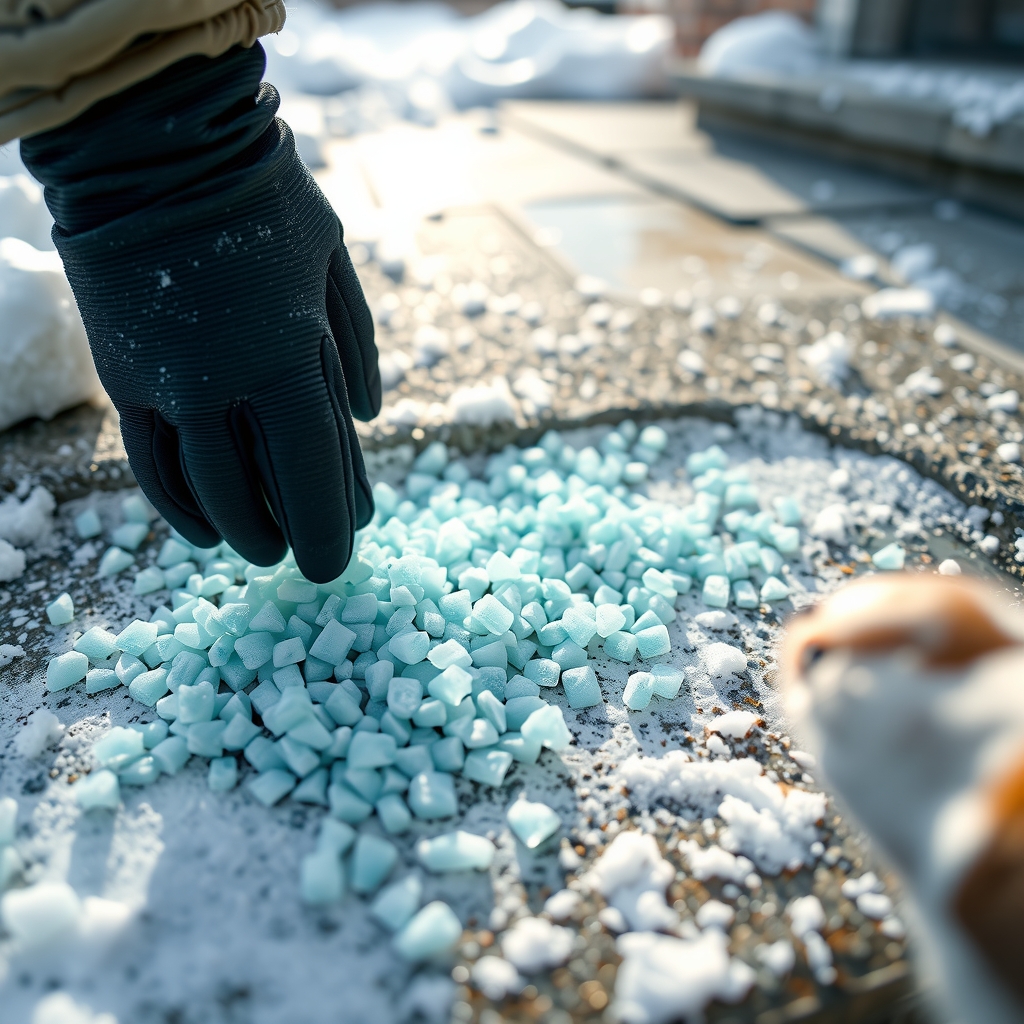
Sure Paws is a magnesium chloride ice melter that the U.S. EPA lists as a Safer Choice product, and its maker rates it to about -15°F. That is a good fit for an Iowa winter, where many gentler melters stop working well. The listing describes it as safe for paws, skin, lawns and shrubs when used as directed. Remember that magnesium chloride can still upset a dog’s stomach if eaten, so use only a thin scatter and wipe paws after walks.
Long-time pet favorite: Pestell Paw Thaw Pet Friendly Ice Melter, 12 lb
Product pick
Pestell Paw Thaw Pet Friendly Ice Melter, 12 lb
Illustrative image (AI-generated), not the exact product.
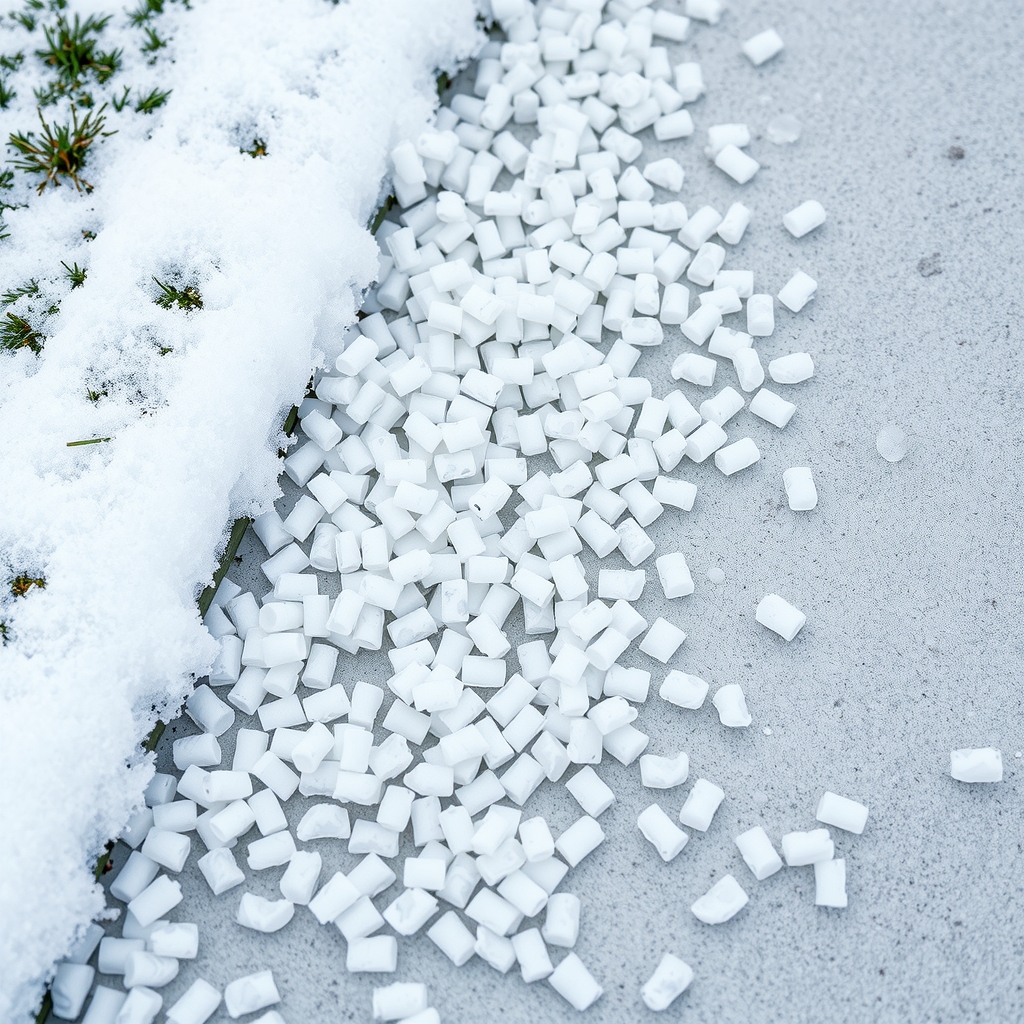
A 12 lb jug from a pet bedding and litter maker, sold as a pet-friendly, biodegradable alternative to rock salt that will not harm pets or vegetation when used as directed. The listing says it leaves no slimy residue and will not damage floors or footwear. It does not name its main ingredient on the product page, so read the label before you buy if you want to avoid a specific salt.
Chloride-free pick: North Pro Nature Sub Zero Ice Melter, 8 lb
Product pick
North Pro Nature Sub Zero Ice Melter, 8 lb
Illustrative image (AI-generated), not the exact product.
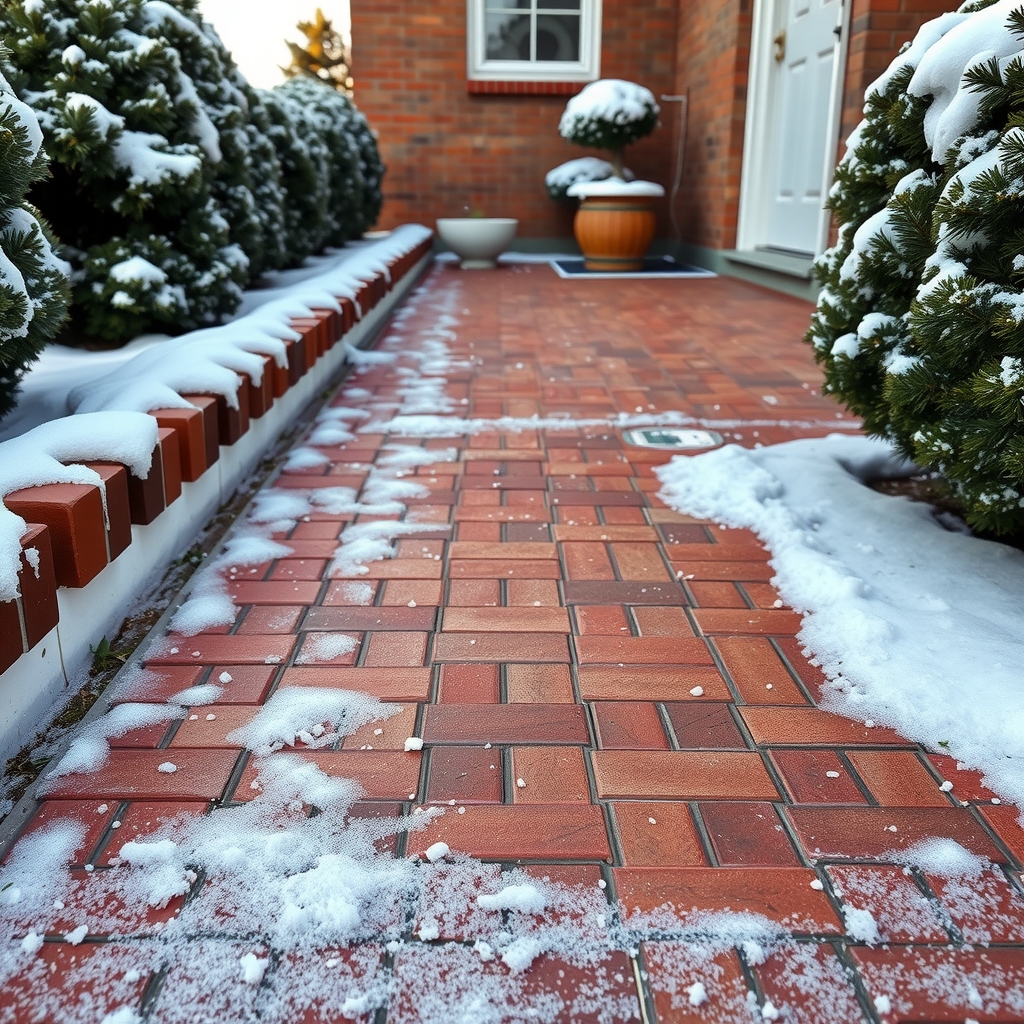
If you want to keep chlorides off your lawn, shrubs and new plantings, this Minnesota-made melter is 100 percent chloride-free and rated for sub-zero temperatures. The maker says it uses about 35 percent less product than standard ice melt and includes corrosion inhibitors. It has fewer reviews than the other two, so treat it as a promising option rather than a proven favorite.
To use less product: Chapin 64 oz Hand Shaker Spreader
Product pick
Chapin 64 oz Hand Shaker Spreader
Illustrative image (AI-generated), not the exact product.
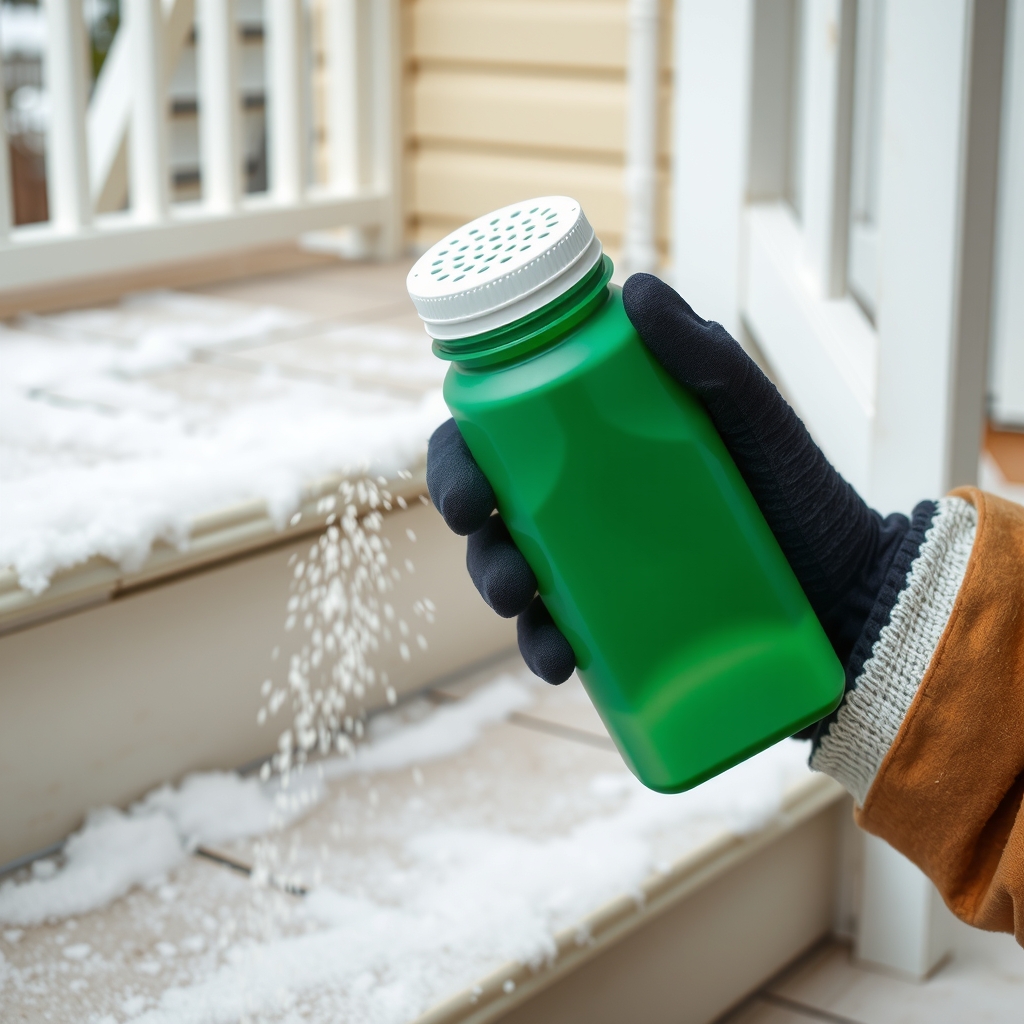
The best way to protect pets and plants is to use less ice melt, and a shaker makes that easy. This 64 oz bottle has a lid with three opening sizes, so you can sprinkle a thin, even layer on steps and short paths instead of dumping handfuls. In spring it works for grass seed and fertilizer too.
For dry, cracked paw pads: Palmer’s for Pets Cocoa Butter Paw Balm, 3.5 oz
Product pick
Palmer’s for Pets Cocoa Butter Paw Balm, 3.5 oz
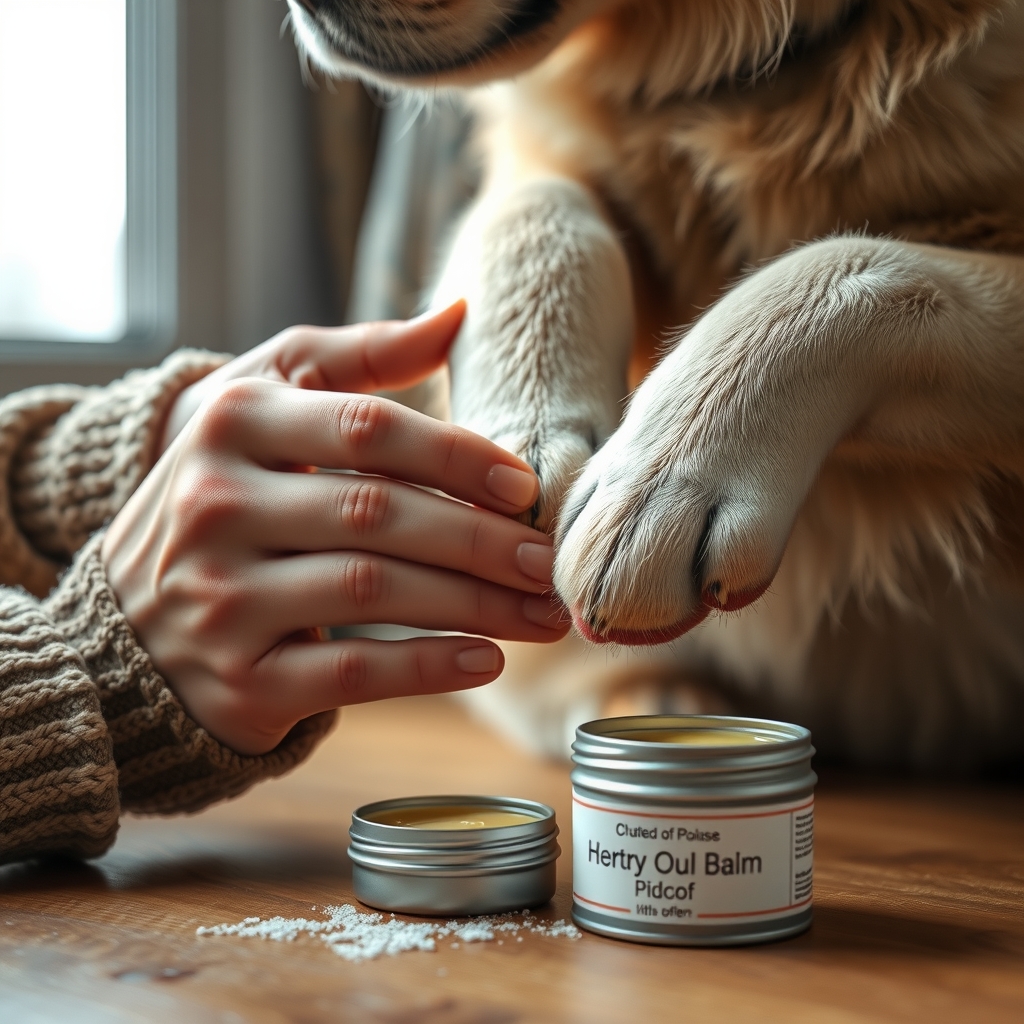
Illustrative image (AI-generated), not the exact product.
Cold, dry air and de-icing salts can leave paw pads rough and cracked. This fragrance-free cocoa butter and vitamin E balm helps soften pads and noses. Rub a thin layer in after you wipe your dog’s paws, and let it soak in before your dog licks it off.
For wiping paws at the door: Wags & Wiggles Fragrance-Free Dog Wipes, 100 Count
Product pick
Wags & Wiggles Fragrance-Free Dog Wipes, 100 Count

Illustrative image (AI-generated), not the exact product.
Veterinary poison services agree that wiping paws after a walk is the simplest way to stop dogs licking off ice melt. These hypoallergenic, fragrance-free wipes are thick enough for snowy, salty feet. Keep a pack by the door so it becomes part of every winter walk.
Conclusion
The best pet-safe ice melt is the least ice melt that keeps your steps safe. Shovel first, choose a gentler formula such as a Safer Choice magnesium chloride melter for cold Midwest days, and spread it thinly with a shaker. Keep melter off lawns and beds, store the bag out of reach, and wipe and moisturize your dog’s paws after every winter walk.
FAQs
Is any ice melt completely safe for pets?
No. Pet Poison Helpline notes that all ice melts can be hazardous if a pet eats enough. Products labeled pet-friendly, usually urea or magnesium chloride based, are less likely to cause serious problems but can still upset a pet’s stomach.
What does pet-safe ice melt mean on the label?
The term is not regulated, so any brand can use it. Check the ingredient list instead, and look for the EPA Safer Choice label, which requires a product to meet EPA safer-ingredient criteria.
What ice melt is safest for lawns and plants?
Calcium magnesium acetate (CMA) has little effect on plants, according to extension specialists. Rock salt (sodium chloride) is the most damaging. Whatever you use, shovel first and apply as little as possible.
Does pet-safe ice melt work in very cold weather?
Some do. Magnesium chloride products are often rated to around 0°F or below, while urea and CMA lose effectiveness around 20°F. Check the temperature rating on the label.
What should I do if my dog eats ice melt?
Call your veterinarian, the ASPCA Animal Poison Control Center (888-426-4435) or Pet Poison Helpline (855-764-7661). Both hotlines charge a consultation fee.
How do I protect my dog’s paws from ice melt?
Wipe paws after every walk, use a paw balm for dry pads, consider dog boots, and keep ice melt bags closed and out of reach.
Sources and review scope
This guide was prepared on October 28, 2026 from the following sources and from the product listings on Amazon.com. Homingwell did not perform hands-on testing. Sellers were checked on Amazon.com on the same date.
- Pet Poison Helpline – Is there really a “safe” ice melt?
- PetMD – 6 things to know about pet-safe ice melts
- Animal Emergency & Referral Center of Minnesota – Ice melt toxicity
- K-State Research and Extension (via High Plains Journal) – Choosing a plant-safe ice melt
- Purdue Extension – Salt damage in landscape plants (ID-412-W, PDF)
- University of Arizona Extension – Deicers in the landscape (PDF)
- CleanLink – Environmentally friendly ice melt (EPA Safer Choice criteria)
- Lawn & Landscape – Safe Step Sure Paws ice melter
Explore more Lawn & Garden buying guides.