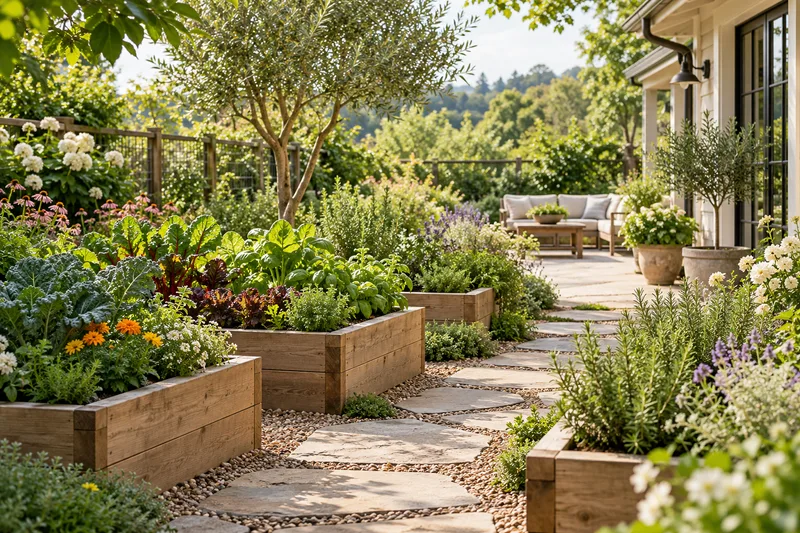

Lawn & Garden • Buying guide • Updated October 23, 2026
Raised Garden Bed Size Guide: Best Height, Width, Depth
Explore related guides: When to plant tomatoes in Iowa · Best raised beds for Iowa · When to start seeds in Iowa · Fiskars Ergo trowel review · Fiskars bypass pruning shears · Raised garden bed review · Gorilla dump cart review · Denicmic solar lights review · How much soil for a raised bed.
Ever built a bed only to find you cannot reach the middle, or the roots hit a hard floor? Choosing the right raised garden bed size before you build prevents both problems. A well-sized bed means easier planting, healthier roots and bigger harvests. Here are the dimensions that work for most U.S. gardens.
Best raised garden bed size for most gardens

These numbers suit most home vegetable gardens:
- Width: Four feet or less. You can reach the center from either side without stepping in the soil.
- Length: Any length that fits your yard. Eight feet is common and easy to build from standard lumber.
- Height: Six to twelve inches works for most crops. Taller beds are easier on the back.
- Depth of soil: At least eight inches for leafy greens and ten to twelve for deeper roots.
How deep a raised garden bed should be by crop
| Crop type | Suggested soil depth |
|---|---|
| Lettuce, spinach, herbs | 6 to 8 inches |
| Beans, peppers, cucumbers | 8 to 12 inches |
| Tomatoes, squash | 12 to 18 inches |
| Carrots, potatoes, parsnips | 12 inches or more |
If your native soil is loose, roots can grow below the bed. In clay or compacted ground, build higher.
When to build and how long it lasts
Build a few weeks before planting so the soil can settle. Early spring and early fall are ideal. Allow a weekend for assembly and a day for filling. Cedar and metal beds last a decade or more, while untreated pine may need replacing sooner.
How to choose your raised garden bed size, step by step
- Measure your space. Mark the area with string and check sun exposure first.
- Plan your paths. Leave two to three feet between beds for a cart or wheelbarrow.
- Pick the width. Stay at four feet or less. Narrow to three feet if you have limited reach.
- Choose the height. Go taller if you want less bending.
- Estimate the soil. Multiply length, width and depth in feet to get cubic feet of soil.
Our Land Guard raised garden bed review shows one ready-made option in real use.
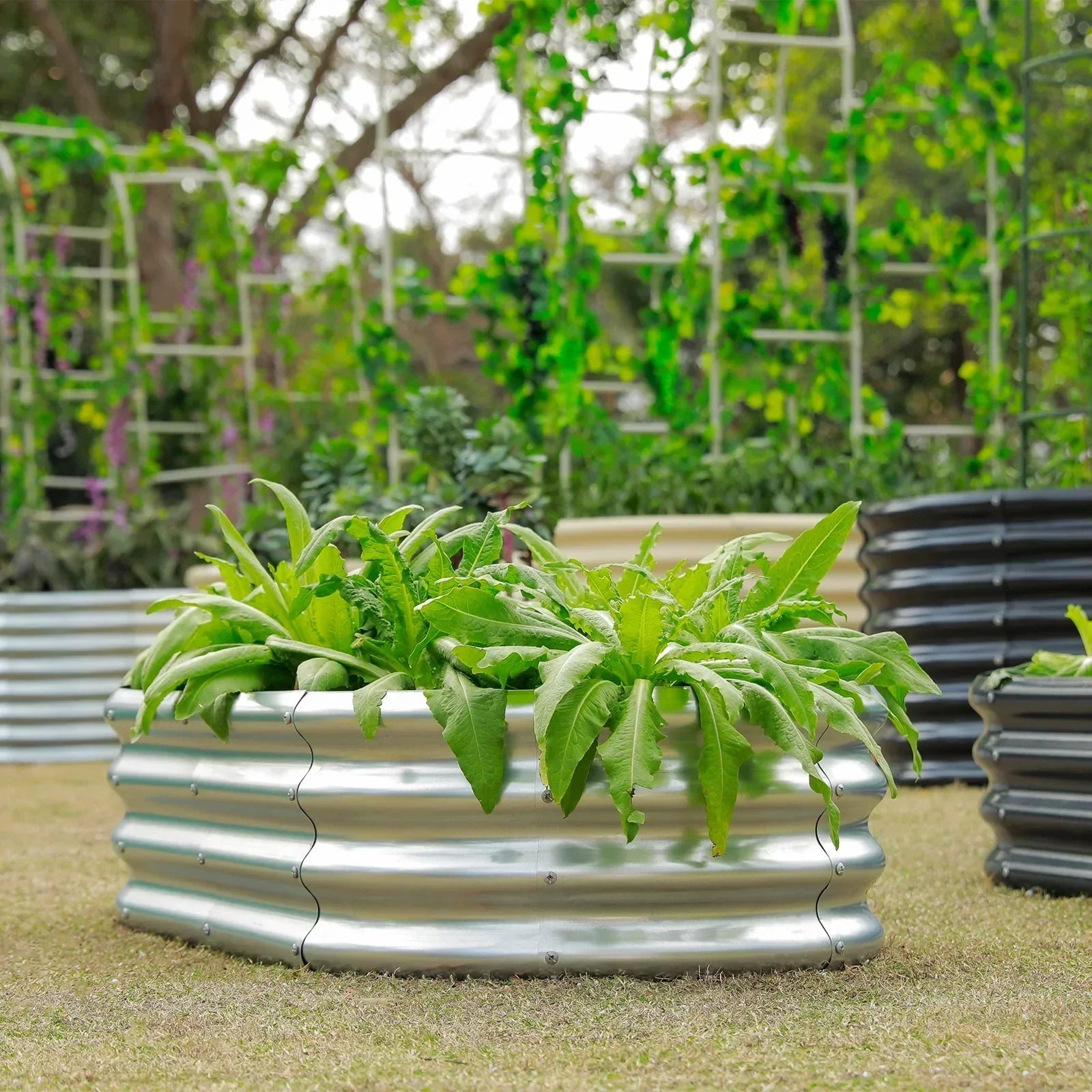
Filling the bed and moving soil
A large bed holds a lot of soil. A sturdy cart makes the job much easier, as shown in our Gorilla dump cart review. Mix topsoil, compost and a little aeration material for good drainage and fertility.
Common Mistakes to Avoid With raised garden bed size
- Making the bed too wide. You will end up stepping on the soil.
- Building too shallow. Roots dry out quickly and plants struggle.
- Forgetting the paths. Tight spacing makes weeding hard.
- Placing it in shade. Most vegetables need six to eight hours of sun.
Care and Maintenance Tips
A few habits keep your raised garden bed size choice working for years. Top up the soil each spring with compost because it settles. Water deeply and mulch to hold moisture. Rotate crops each year to reduce pests. For local planting dates and soil advice, check the University of Minnesota Extension garden guidance.
Conclusion
The ideal raised garden bed size is simple: four feet wide, any length, and at least eight to twelve inches deep. Match the depth to your crops, leave room for paths, and your garden will be easier to work and more productive. Explore our garden tool reviews to finish your setup.
FAQs
What is the best raised garden bed size for beginners?
A four by eight foot bed, about ten to twelve inches deep, is a reliable starting point.
How wide can a raised bed be?
Four feet is the usual maximum if you can reach from both sides. Use three feet if you can only reach from one side.
Is a six inch raised bed deep enough?
It works for lettuce and herbs, but most vegetables do better with eight to twelve inches.
How much soil does a raised bed need?
Multiply length by width by depth in feet. A four by eight bed at one foot deep needs about 32 cubic feet.
Should I put anything under the bed?
Cardboard or landscape fabric blocks weeds. Leave the bottom open so roots and worms can move freely.