
Lawn & Garden • Soil • Updated October 29, 2026
Best Soil Test Kits for Home Gardens: 6 Honest Picks
Explore related guides: Gardening in Iowa: all guides · Compost bins for cold climates · Seed starting kits · When to start seeds in Iowa · Broadcast spreaders.
Yellow tomato leaves, a patchy lawn, blueberries that never take off: before you buy fertilizer or lime, find out what your soil actually needs. A soil test kit gives you a quick answer at home, and a lab test gives you the full picture. This guide explains what home kits can and cannot measure, how to take a good sample, when a lab is worth it, and six testers sold by Amazon.com.
The short answer
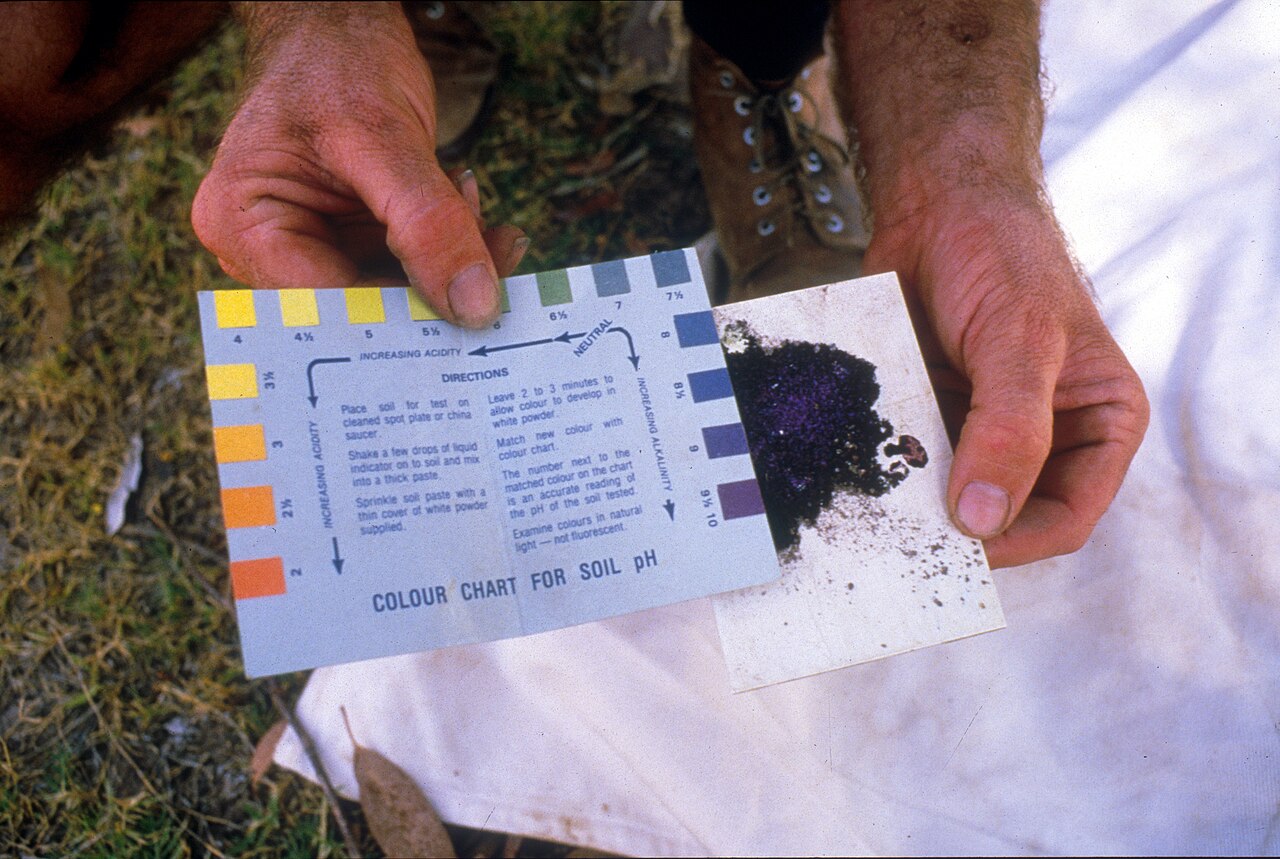
For a quick home check, a capsule-style soil test kit or pH paper used with a soil and water mix will tell you roughly where your pH sits and whether nutrients look low. Home kits are best at pH, usually within about one unit of a lab reading; nitrogen, phosphorus and potassium results are much less reliable. Before you add lime, sulfur or a lot of fertilizer, send a sample to a lab that gives home garden recommendations. Iowa State University Extension keeps a list of those labs.
Soil test kit or lab test?
| Home soil test kit | Lab test | |
|---|---|---|
| Speed | Minutes | About 1 to 2 weeks with mailing |
| pH | Rough, often within about 1 unit | Precise, to one decimal |
| N, P, K | Low, medium or high at best | Measured amounts plus fertilizer rates |
| Extras | Usually none | Organic matter, texture, other nutrients |
| Best for | Spot checks, comparing beds, yearly tracking | New gardens, problem areas, before liming |
A smart approach: test with a lab once to get a baseline, then use a home kit to spot-check beds between lab tests. University of Delaware recommends testing vegetable gardens every 1 to 2 years and lawns every 2 to 3 years once fertility is in good shape.
Types of soil test kits and meters
- Capsule or color kits. You mix soil and water with a reagent and compare the color to a chart. Easy and cheap; best for pH, rough for nutrients.
- pH paper or strips. Dip into a soil and water mix. Simple and fast; precision depends on the paper’s range and steps.
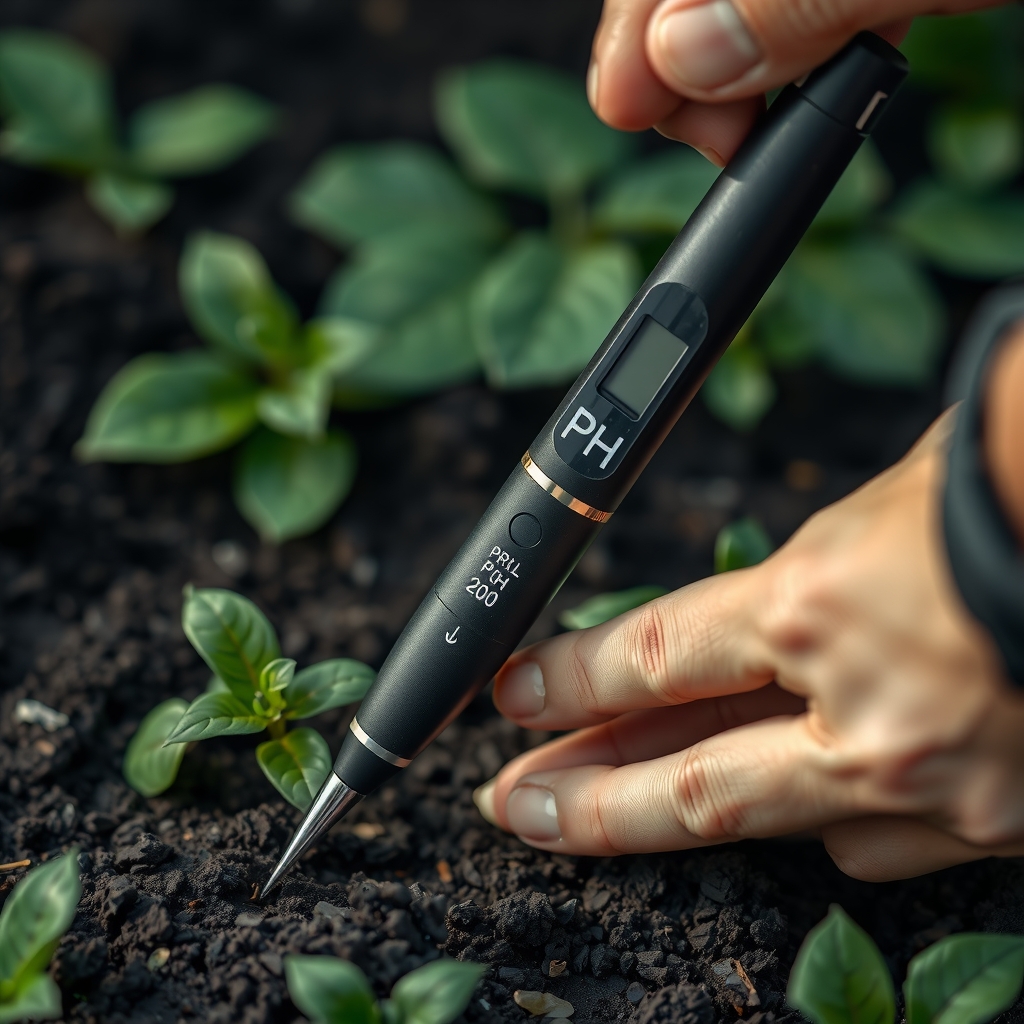
- Digital pH pens. A calibrated electrode reads pH directly. The most accurate home option, but the priciest and they need calibration.
- Analog probe meters. Push the probes into the soil and read a dial. Handy for moisture; a Journal of Extension study found soil pH probes gave poor pH readings, so do not rely on them before liming.
How to take a soil sample
- Sample one area at a time, such as the vegetable garden or the front lawn. Do not mix them.
- Take 10 to 15 small samples across the area, from the top 3 to 6 inches, with a clean trowel. That is the method Iowa State University Extension describes.
- Remove roots, stones and plant bits, then mix everything well in a clean plastic bucket.
- Let it air dry on paper if it is wet.
- Use distilled water for home kits; tap water can change the pH reading.
- Test in fall or early spring. Lime works slowly, so testing in fall gives it time to act before planting.
Adding compost is one of the easiest ways to improve any soil; see our compost bins for cold climates guide.
Best soil test kits and meters
All six were listed as sold by Amazon.com at the time of writing. Check the current listing before you buy.
Best home kit: Luster Leaf 1605 Rapitest Digital Soil Test Kit
Product pick
Luster Leaf 1605 Rapitest Digital Soil Test Kit

Illustrative image (AI-generated), not the exact product.
A capsule kit for pH, nitrogen, phosphorus and potash that uses a battery-powered digital reader instead of matching colors by eye, which removes some of the guesswork. A good all-round pick if you want a nutrient snapshot of several beds in one afternoon. Treat the nutrient results as low, medium or high, not exact numbers.
Most accurate pH: Apera Instruments GroStar GS2 Soil pH Pen
Product pick
Apera Instruments AI102G GroStar GS2 Soil pH Pen Tester Kit
Illustrative image (AI-generated), not the exact product.
A lab-grade pH pen with a replaceable spear sensor that reads pH and temperature directly in moist soil. Two-point calibration takes about a minute, and an averaging mode combines readings from several spots. It costs far more than a kit, so it suits serious vegetable growers, blueberry growers and anyone who tests often.
Best budget pH: pHydrion Jumbo pH Paper, 0 to 13
Product pick
pHydrion 0 to 13 Jumbo pH Paper, 50 ft roll
Illustrative image (AI-generated), not the exact product.
A 50-foot roll of wide pH paper is enough for years of tests. Stir a spoon of soil into distilled water, let it settle, and dip a strip in the liquid. It reads in 1 pH unit steps, so it tells you whether soil is clearly acidic, neutral or alkaline, but not the fine detail you need before liming.
Quick checks: Luster Leaf 1818 Rapitest 4-in-1 Soil Tester
Product pick
Luster Leaf 1818 Rapitest 4-in-1 Soil pH, Moisture, Fertility and Light Tester
Illustrative image (AI-generated), not the exact product.
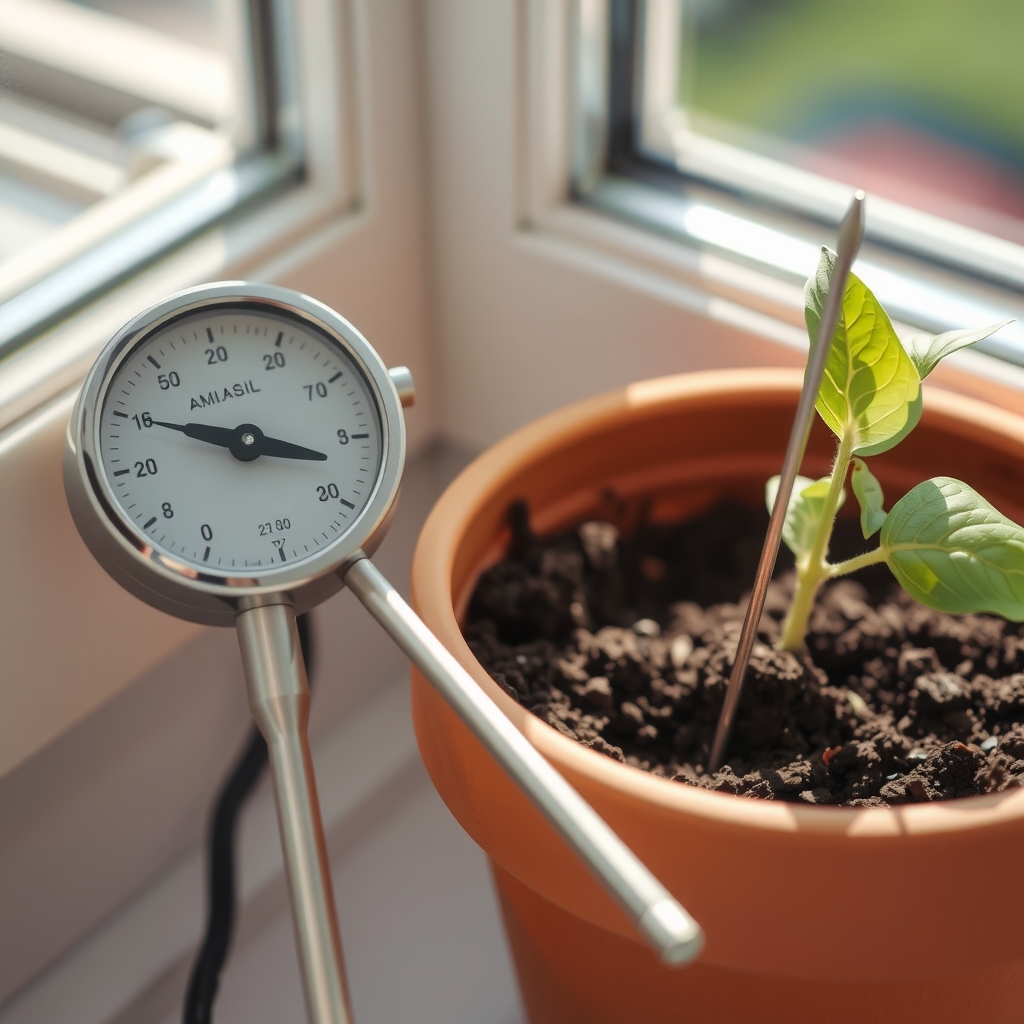
A battery-free dial meter with three stainless steel probes that switches between sunlight, fertility, moisture and pH. It is quick for checking pots and beds, especially moisture and light. Like all probe meters, its pH reading is a rough guide only, so confirm with a kit or lab before you change your soil.
Budget 3-in-1: iPower Soil Moisture, Light and pH Meter
Product pick
iPower 3-in-1 Soil Test Kit, Moisture, Light and pH Meter
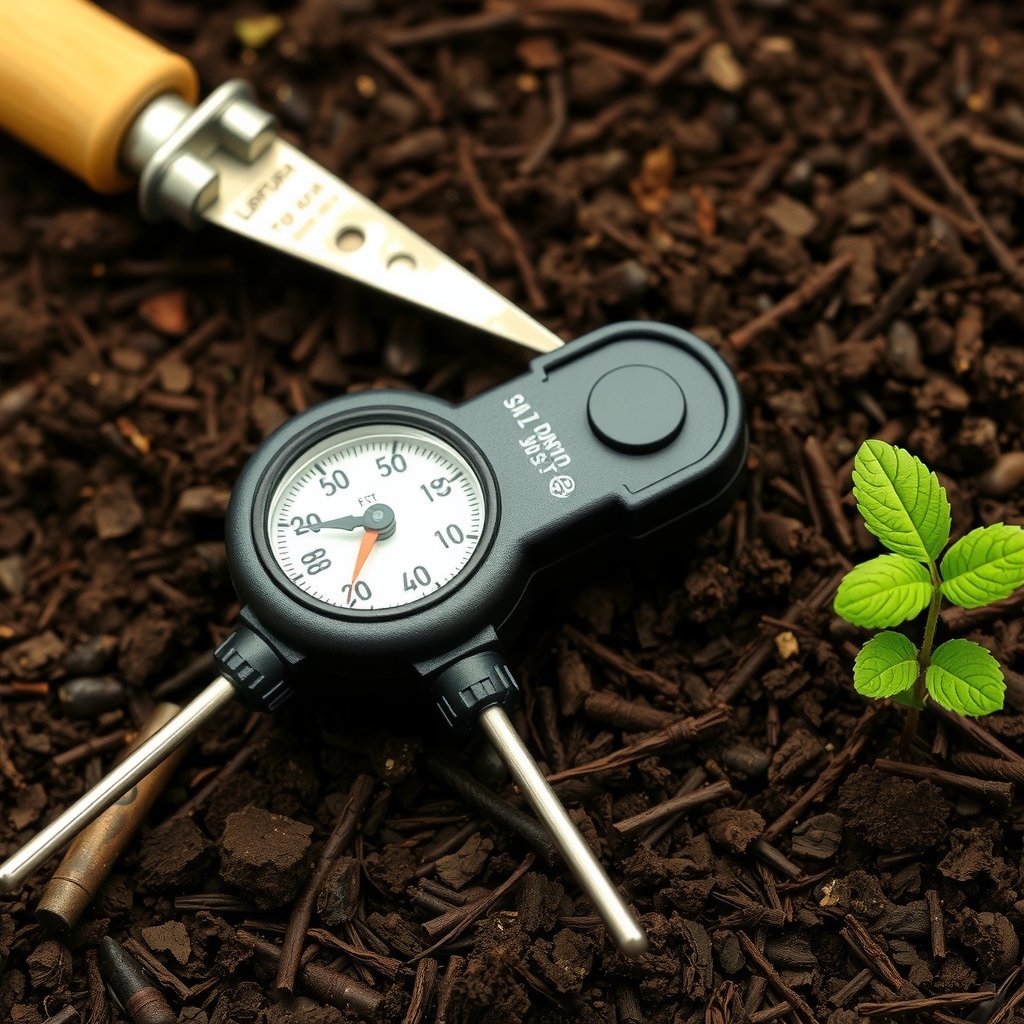
Illustrative image (AI-generated), not the exact product.
A low-cost, no-battery meter with one switch for moisture, light and pH. The moisture scale (1 to 10, dry to wet) is the most useful part for houseplants, containers and seedlings. The pH mode covers 3.5 to 8, but treat it as a rough indicator.
For watering: Luster Leaf 1820 Rapitest Soil Moisture Meter
Product pick
Luster Leaf 1820 Rapitest Soil Moisture Meter
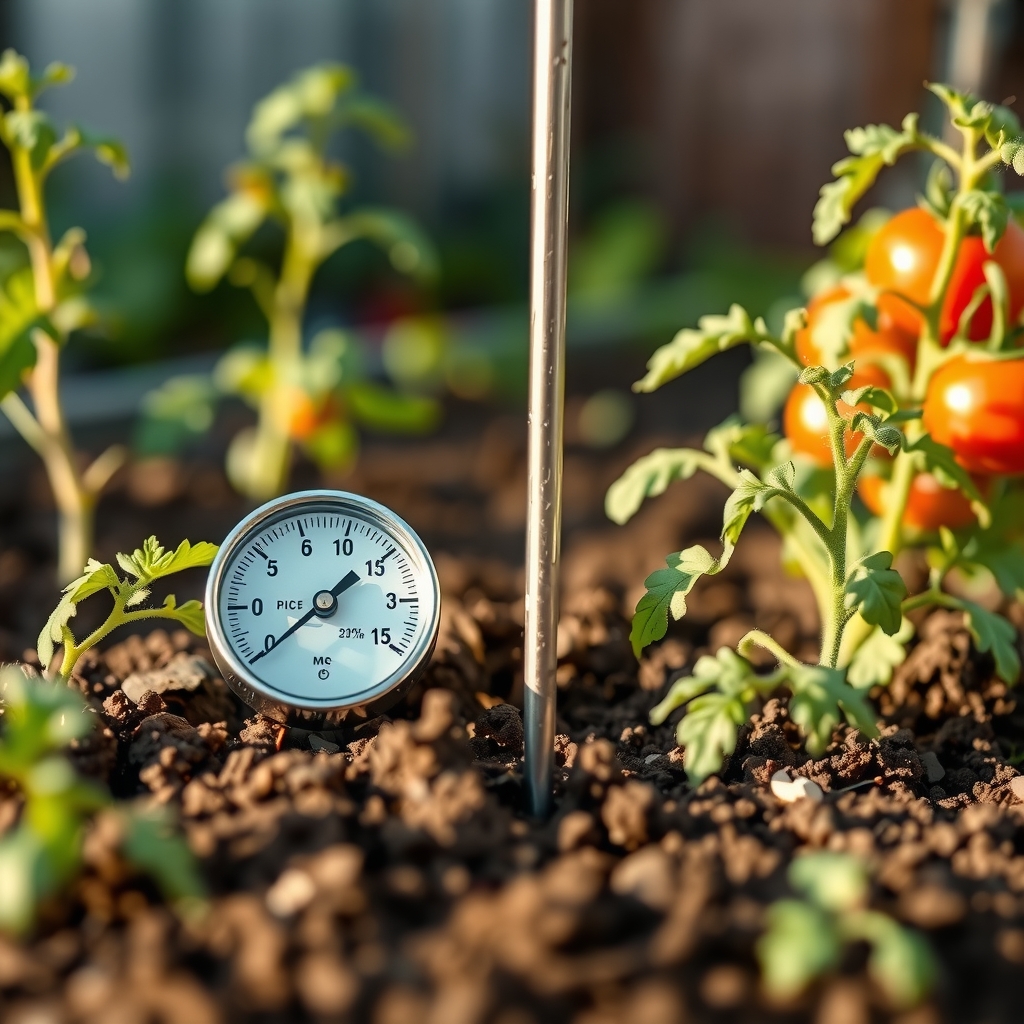
Illustrative image (AI-generated), not the exact product.
Not a nutrient test, but the tool many gardeners actually use most. It measures moisture at root level, needs no batteries, and includes watering needs for more than 150 plants. Great for raised beds and containers during dry Midwest summers.
Conclusion
The best soil test kit is the one that answers your question. For a quick pH and nutrient snapshot, the Rapitest digital kit is a solid start; for precise pH, a calibrated pen like the Apera GS2 is worth it; and for anything that will change your soil, such as lime, sulfur or heavy fertilizer, use a lab with home garden recommendations. Test every 1 to 2 years and keep notes so you can see trends.
FAQs
Are home soil test kits accurate?
For pH they are usually close enough for a spot check, often within about one unit of a lab reading. Nitrogen, phosphorus and potassium results are much less reliable, so use a lab before making big changes.
When is the best time to test garden soil?
Fall or early spring, before you fertilize. Fall testing gives lime time to work before the next season.
How deep should I take a soil sample?
Iowa State University Extension suggests the top 3 to 6 inches, from 10 to 15 spots across the area, mixed together.
Do soil pH probe meters work?
They are handy for moisture, but a Journal of Extension study found soil pH probes gave poor pH measurements. Use pH paper, a kit or a calibrated pH pen for pH.
What pH do most garden plants like?
Most vegetables and flowers do well in slightly acidic to neutral soil, around 6.0 to 7.0. Blueberries need much more acidic soil.
Where can I get a lab soil test in Iowa?
Iowa State University Extension lists university and private labs that give home garden and lawn recommendations, along with how to collect and mail a sample.
Sources and review scope
This guide was prepared on October 29, 2026 from the following sources and from the product listings on Amazon.com. Homingwell did not perform hands-on testing. Sellers were checked on Amazon.com on the same date.
- Iowa State University Extension – Soil testing resources for home gardeners
- Journal of Extension – Accuracy of in-field soil pH test kits
- University of Delaware – Soil sampling for lawns and gardens
- University of Minnesota Extension – Lawn and garden soil sampling guide
Explore more Lawn & Garden buying guides.