
Lawn & Garden • Iowa Lawn Care • Updated October 29, 2026
When to Plant Grass Seed in Iowa: Best Dates and Seeding Rates
Explore related guides: When to fertilize your lawn in Iowa · Best broadcast spreaders · Soil test kits · Gardening in Iowa: all guides · Japanese beetles in Iowa.
Timing makes or breaks a new Iowa lawn. Seed the wrong month and you get crabgrass, dried-out seedlings or nothing at all. This guide explains when to plant grass seed in Iowa, which seed to buy, how much to spread, and how to care for new grass, based on Iowa State University Extension and Outreach guidance.
When to plant grass seed in Iowa: the short answer
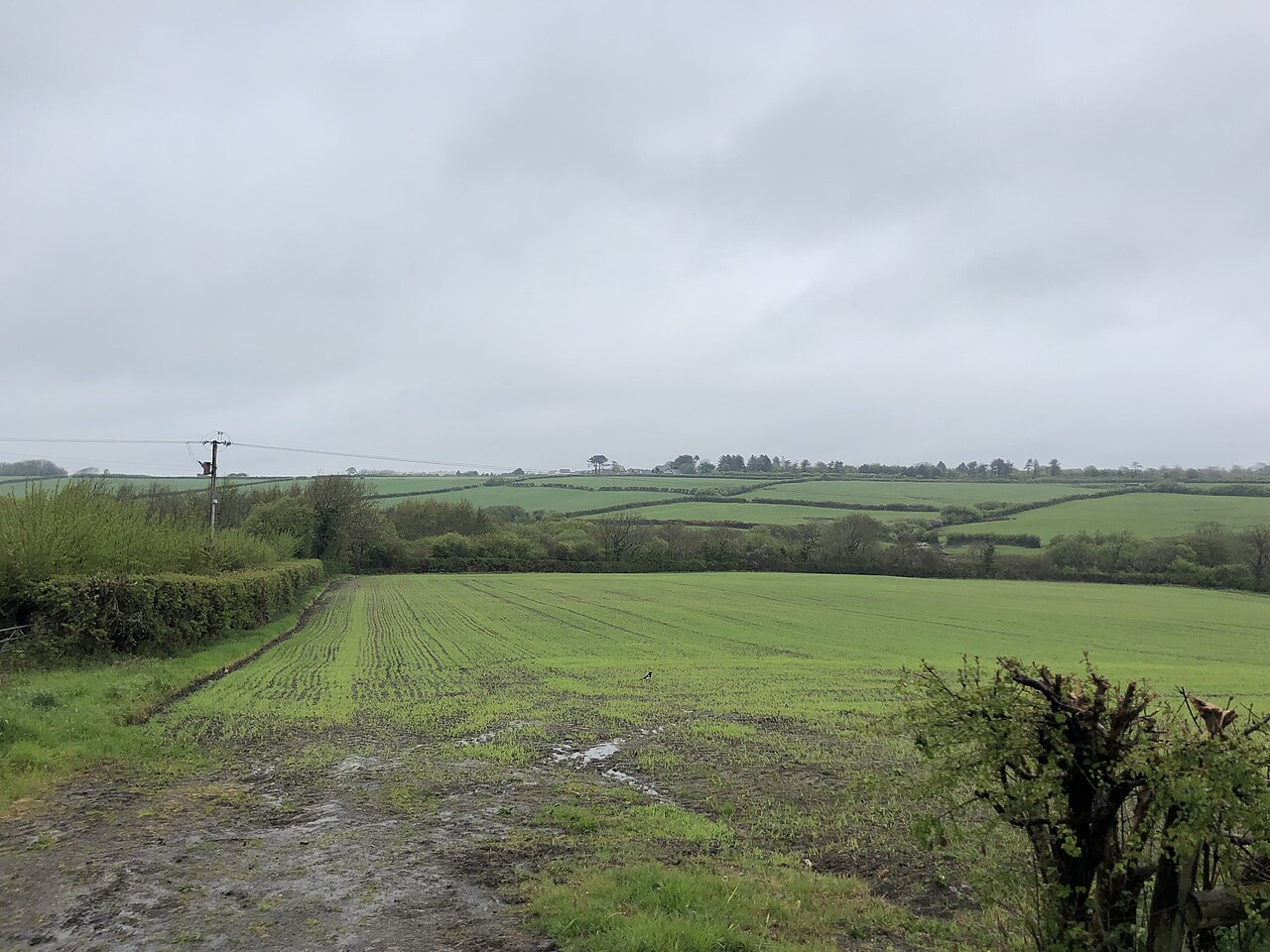
The best time to plant grass seed in Iowa is mid-August to mid-September, according to Iowa State University Extension. Seeding between August 15 and September 30 generally gives the best results, and Kentucky bluegrass does best sown by September 15. Spring seeding works if you can water, but expect more weeds. Late fall dormant seeding is a third option.
Iowa grass seeding calendar
| Window | Rating | Notes |
|---|---|---|
| Mid-August to mid-September | Best | Warm soil, cool nights, few weeds germinating (ISU Extension) |
| Mid- to late September | Good | Kentucky bluegrass can still germinate to about September 30; earlier is better |
| October | Risky | Seedlings may be too small to survive winter |
| Late fall to early winter (dormant) | Option | Seed lies dormant and sprouts early in spring |
| Early spring (as early as possible) | Fair | Needs watering; competes with crabgrass and other weeds |
| Late spring and summer | Poor | Heat and drought kill young seedlings |
Why late summer is best
- Fast germination. ISU Extension says cool-season grass seed germinates quickly in the warm soil of late summer.
- Ideal growing weather. Warm days and cool nights in early fall promote rapid turfgrass growth.
- Fewer weeds. Few weed seeds germinate in late summer or fall, and annual weeds are finishing their life cycle.
- Time to root before winter, so the lawn goes into spring already established.
Spring seeding: ISU Extension says spring seeding may be done if irrigation is available, but spring-seeded lawns often become heavily infested with weeds. Purdue turf specialists advise seeding as early in spring as possible and note that bluegrass seed takes about 18 to 28 days to germinate once soil reaches 55°F.
Dormant seeding: Seed sown in late fall or early winter stays dormant and germinates in spring, often 2 to 3 weeks earlier than a spring seeding. Cornell turf specialists suggest waiting until soil at 1 inch is 40 to 45°F or colder and using about 50% more seed.
Which grass seed to buy for Iowa
| Site | Best choice |
|---|---|
| Full sun | Kentucky bluegrass, a mix of at least three cultivars |
| Partial shade | Kentucky bluegrass + perennial ryegrass + fine-leaf fescues |
| Shade | Fine-leaf fescues (creeping red, hard, chewings fescue) |
| Quick cover in spring | Mix with some perennial ryegrass |
ISU Extension notes that perennial ryegrass helps spring plantings establish quickly, while a mix of three or four Kentucky bluegrass varieties is preferred for late summer seeding.
How much grass seed to use
| Seed mix | Pounds per 1,000 sq ft |
|---|---|
| 100% Kentucky bluegrass | 1 to 1½ (up to 3 for faster fill-in) |
| 80% Kentucky bluegrass + 20% perennial ryegrass | 2 to 2½ |
| Dormant seeding | About 50% more than normal |
Check the seed bag too: label rates vary by mix. For overseeding a thin lawn, use roughly half the new-lawn rate.
How to seed a lawn in Iowa
- Test the soil if you are starting a new lawn, so you know whether lime or phosphorus is needed. See our soil test kit guide.
- Prepare the surface. For bare soil, loosen and level it. For overseeding, mow short and rake out dead grass, or core aerate; ISU Extension says early September is the best time to aerate, and seed can drop into the holes.
- Split the seed in half. ISU Extension recommends sowing one half in one direction and the other half at right angles to the first.
- Cover lightly. Rake so seed is no deeper than ¼ to ½ inch, then roll lightly to firm the soil around it.
- Water right away and keep the surface moist.
Caring for new grass
- Never let the surface dry out. ISU Extension warns that grass seedlings are very susceptible to drying. Water lightly once or twice a day until the grass is up, then water less often and more deeply.
- Mow early. Don’t let new grass grow too long before the first mowing, and never remove more than one-third of the blade at once.
- Wait on weed killer. ISU Extension says a broadleaf herbicide is safe once the new lawn has been mowed at least 3 to 4 times.
- Fertilize in late fall. New lawns benefit from the late October to early November feeding in our Iowa lawn fertilizer schedule.
Tools for seeding a lawn
All five were listed as sold by Amazon.com when checked on October 29, 2026. Check the current listing before you buy.
To time seeding: Taylor Soil Thermometer
Product pick
Taylor Soil Thermometer with Silicone Bumper
Illustrative image (AI-generated), not the exact product.
Handy for timing both seeding windows: warm late-summer soil speeds germination, and for dormant seeding you want soil cold enough that seed will not sprout until spring.
To prepare the soil: True Temper Steel Tine Rake
Product pick
True Temper Steel Tine Leaf Rake

Illustrative image (AI-generated), not the exact product.
Rake out dead grass and scratch up bare spots so seed reaches the soil, then rake lightly again to cover seed no deeper than ¼ to ½ inch.
For whole lawns: Scotts EdgeGuard DLX
Product pick
Scotts Turf Builder EdgeGuard DLX Broadcast Spreader
Illustrative image (AI-generated), not the exact product.
Spreads seed and starter fertilizer evenly over large areas. Spread half the seed in one direction and half at right angles for even coverage.
For bare spots: Chapin Hand Crank Spreader
Product pick
CHAPIN 8706G 3 lb Hand Crank Lawn Spreader

Illustrative image (AI-generated), not the exact product.
Ideal for overseeding thin patches and small yards where a push spreader is overkill.
To keep seed moist: Melnor Oscillating Sprinkler
Product pick
Melnor Metal Oscillating Sprinkler, 4500 Sq Ft
Illustrative image (AI-generated), not the exact product.
New seedlings dry out fast. A gentle oscillating sprinkler keeps the surface moist with light, frequent watering until the grass is established.
FAQs
When is the best time to plant grass seed in Iowa?
Late summer to early fall. ISU Extension says mid-August to mid-September is the best time to seed new lawns and overseed existing ones, and seeding between August 15 and September 30 generally gives the best results.
Is it too late to plant grass seed in October in Iowa?
For Kentucky bluegrass, usually yes. ISU Extension notes it can germinate as late as September 30, but earlier seeding gives better establishment. After that, consider dormant seeding in late fall or wait for spring.
Can I plant grass seed in spring in Iowa?
Yes, if you can water. ISU Extension says spring seeding may be done with irrigation, but late summer or early fall is preferred because spring-seeded lawns are often heavily infested with weeds.
How much grass seed do I need per 1,000 square feet?
ISU Extension lists 1 to 1½ pounds for 100% Kentucky bluegrass and 2 to 2½ pounds for a mix of 80% bluegrass and 20% perennial ryegrass. Another ISU publication gives 1.5 to 3 pounds of bluegrass depending on how quickly you want it to fill in.
What grass seed is best for Iowa?
In sun, Kentucky bluegrass, ideally a mix of at least three cultivars. In partial shade, a mix of Kentucky bluegrass, perennial ryegrass and fine fescues; fine fescues are the best grasses for shade.
What is dormant seeding?
Sowing seed in late fall or early winter when soil is too cold for it to germinate, so it sprouts early the next spring. Cornell turf specialists suggest waiting until soil at 1 inch is 40 to 45°F or colder and increasing the seeding rate by about 50%.
Sources and review scope
This guide was prepared on October 29, 2026 from the following sources and from the product listings on Amazon.com. Homingwell did not perform hands-on testing.
- ISU Extension Yard and Garden – Handling and caring for lawns in fall
- ISU Extension – Turfgrass Management Calendar: Kentucky Bluegrass Lawns
- ISU Extension – Establishing a lawn from seed
- Purdue Extension – Spring seeding (AY-20-W)
- Cornell University – Establishing a new seeding
Explore more Lawn & Garden guides.