
Lawn & Garden • Iowa Garden Pests • Updated October 29, 2026
Japanese Beetles in Iowa: When They Appear and How to Control Them
Explore related guides: Gardening in Iowa: all guides · When to fertilize your lawn in Iowa · Protect shrubs in winter · Fall garden cleanup checklist.
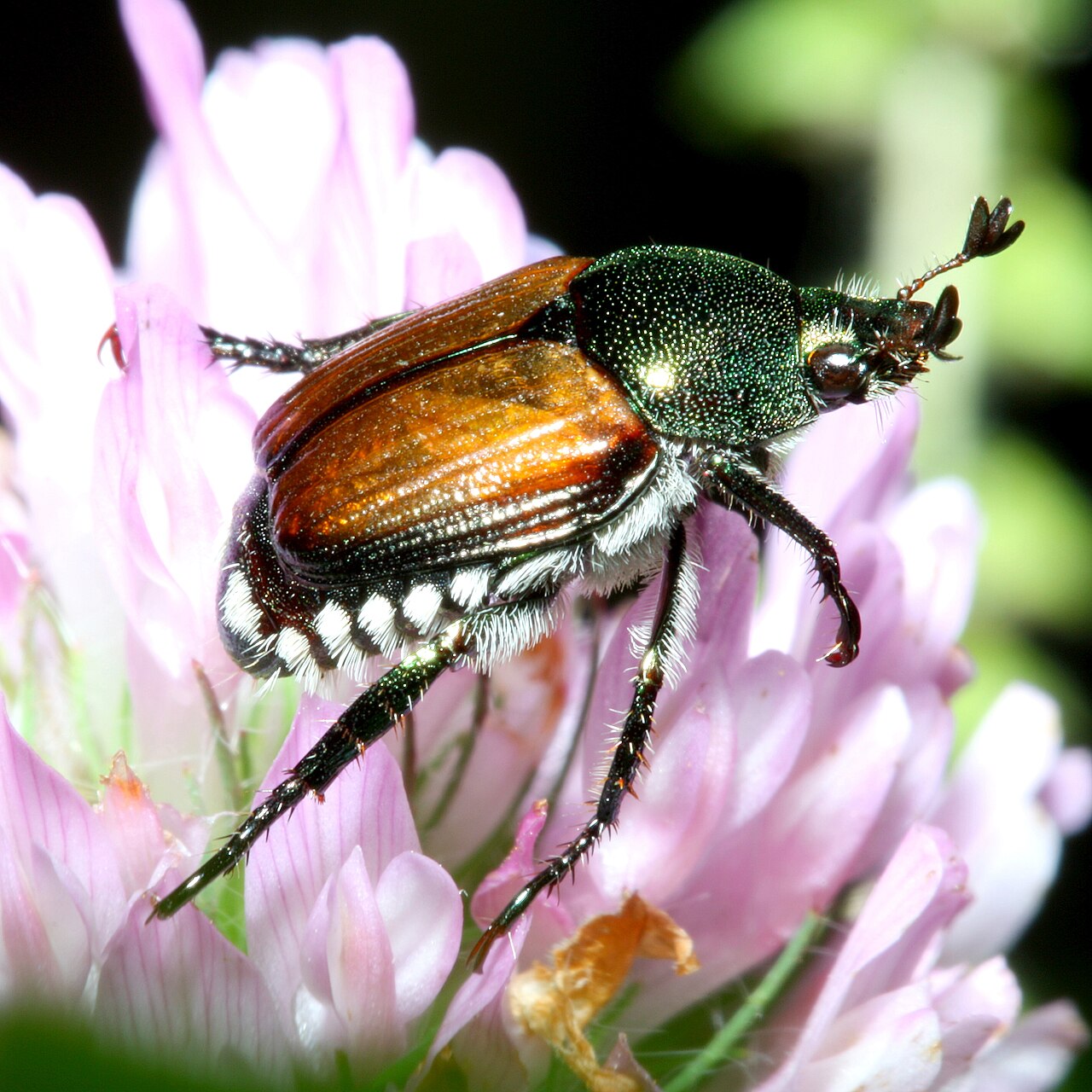
Every summer, shiny green and copper beetles turn Iowa roses, grapes and linden trees into lace. Japanese beetles first showed up in eastern Iowa in the 1990s and have since spread to many parts of the state. This guide explains Japanese beetles in Iowa: how to identify them, when they appear, what they eat, and which control methods actually work, based on Iowa State University Extension and Outreach guidance.
Japanese beetles in Iowa: the short answer
In Iowa, adult Japanese beetles emerge in late June, keep appearing through July, and are mostly gone by mid- to late August. The most reliable home-garden control is handpicking: knock beetles into a bucket of soapy water early in the morning, every day or two. Screening and spot-spraying high-value plants also help. Skip the traps: ISU Extension says they can attract more beetles than they catch.
How to identify Japanese beetles
- Size: about 3/8 inch long and 1/4 inch wide.
- Color: shiny metallic green head and thorax with coppery red wing covers.
- Key feature: five tufts of white hairs on each side of the abdomen, which set them apart from similar native beetles.
- Grubs: white, C-shaped and about 1¼ inches long when full grown. They live in the soil from August until June, feeding on plant roots, especially turfgrass.
When Japanese beetles appear in Iowa
| Time of year | Life stage | What to do |
|---|---|---|
| Late June | Adults begin to emerge | Start checking roses, grapes and lindens daily |
| July | Peak adults; new ones still emerging | Handpick every morning, screen or spot-spray high-value plants |
| Mid- to late August | Most adults gone; eggs hatch in soil | Preventive lawn grub treatments must be applied before mid-August to work |
| August to June | Grubs feed on roots in the soil | Watch lawns for brown patches |
Adults are present for about six weeks each summer, and each beetle lives 30 to 45 days.
Damage and favorite plants
ISU Extension says Japanese beetles eat the leaves, fruits and flowers of more than 300 plants. On leaves they eat the tissue between the veins, leaving a lace-like skeleton; flowers and fruits are sometimes eaten completely. Iowa favorites include:
- Roses
- Raspberries
- Grapevines
- Crabapples
- Birches
- Lindens
What actually works
- Handpick early and often. Beetles are cool and sluggish early in the morning. Collect or shake them into a bucket of soapy water and discard. Removing beetles quickly also reduces the scent that attracts more beetles.
- Be persistent. New beetles emerge every day for weeks, so repeat every day or two from late June through July.
- Screen high-value plants. ISU Extension says screening can help in isolated situations with limited beetle numbers. Cover small plants with lightweight fabric or netting during peak weeks.
- Spot-spray if needed. A labeled garden insecticide on infested foliage of high-value plants may reduce damage for several days, but repeat applications are needed. Check that your plant is on the label and follow directions. Spray in the evening and avoid open flowers to protect bees.
Why not to use Japanese beetle traps
Bag traps baited with floral scent and a sex pheromone are sold everywhere, but ISU Extension says they have been shown to be ineffective against moderate to heavy infestations. Research in Kentucky and elsewhere found that traps attract more beetles than they catch, which can leave your yard with a bigger problem than before. If you do use one, put it far away from the plants you want to protect.
Japanese beetle grubs and your lawn
- Grubs damage lawns, feeding on grass roots from late summer through spring.
- Timing matters. ISU Extension notes that most preventive grub insecticides must be applied before mid-August to be effective.
- It won’t stop next year’s beetles. Treating grubs protects the turf, but adults fly in from nearby areas, so it will not reduce the beetles feeding in your landscape the next summer.
- A healthy lawn copes better. Follow a good fall feeding program; see when to fertilize your lawn in Iowa.
Will Japanese beetles kill trees?
Established, healthy trees usually leaf out again. ISU Extension says defoliation is most harmful to recently planted trees (the last two or three years) and trees in poor health. Protect small trees with a labeled insecticide if needed, and water them regularly during dry periods, because defoliation combined with drought stress can be too much for young trees.
Helpful supplies
All five were listed as sold by Amazon.com when checked on October 29, 2026. Check the current listing before you buy. We do not recommend Japanese beetle traps; see why above.
For handpicking: United Solutions 5 Gallon Bucket
Product pick
United Solutions 5 Gallon Heavy Duty Plastic Bucket
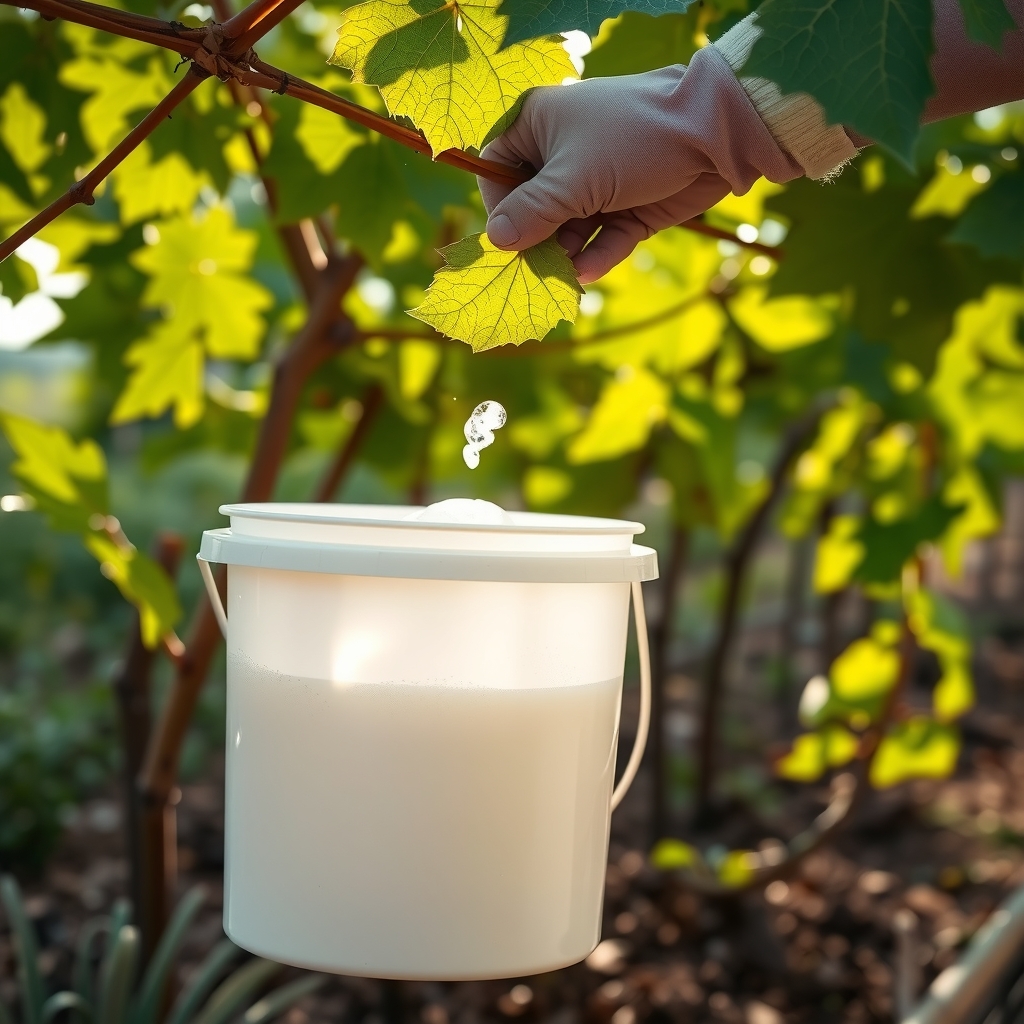
Illustrative image (AI-generated), not the exact product.
ISU Extension’s main method is shaking beetles into a bucket of soapy water early in the morning. Fill a few inches with water and a squirt of dish soap, hold it under the leaves, and tap the stem.
To screen plants: Tenax Insect Netting, 7 x 100 ft
Product pick
Tenax Insect Netting, 7 ft x 100 ft, Clear
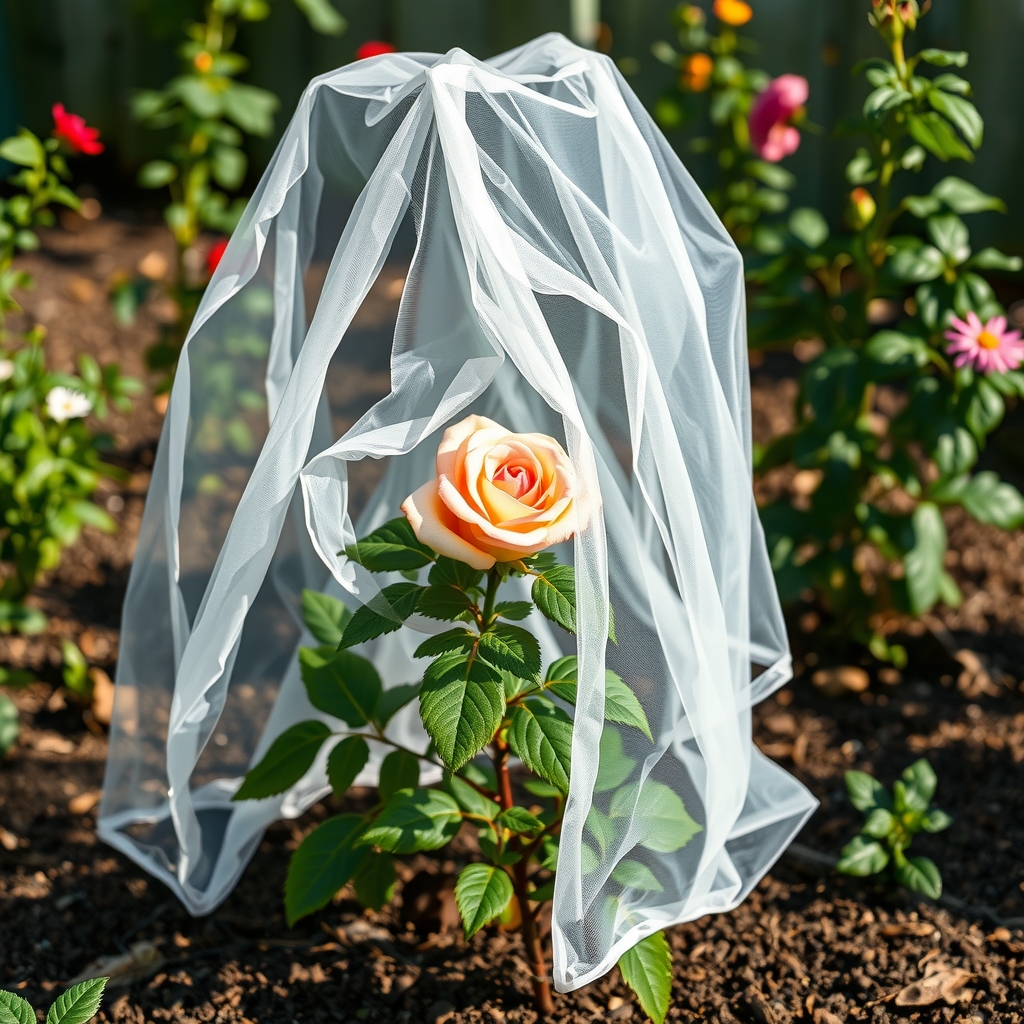
Illustrative image (AI-generated), not the exact product.
Fine mesh lets light, air and rain through while keeping beetles off high-value roses, raspberries or a young tree. Cut it to size and pin the edges down during the late June to July peak.
For daily picking: Wells Lamont Nitrile Work Gloves
Product pick
Wells Lamont Nitrile Work Gloves
Illustrative image (AI-generated), not the exact product.
Grippy, washable gloves for picking beetles off thorny roses and wet morning leaves every day for several weeks.
To screen small plants: Amazon Basics Plant Cover
Product pick
Amazon Basics Plant Covers, 10 x 30 ft

Illustrative image (AI-generated), not the exact product.
ISU Extension says screening high-value plants can help. A lightweight fabric cover draped over small roses, raspberries or vegetables during peak beetle weeks keeps beetles off. Remove it when plants need pollinators, and secure the edges.
To water stressed young trees: Gilmour Soaker Hose
Product pick
Gilmour 50 ft Flat Weeper Soaker Hose
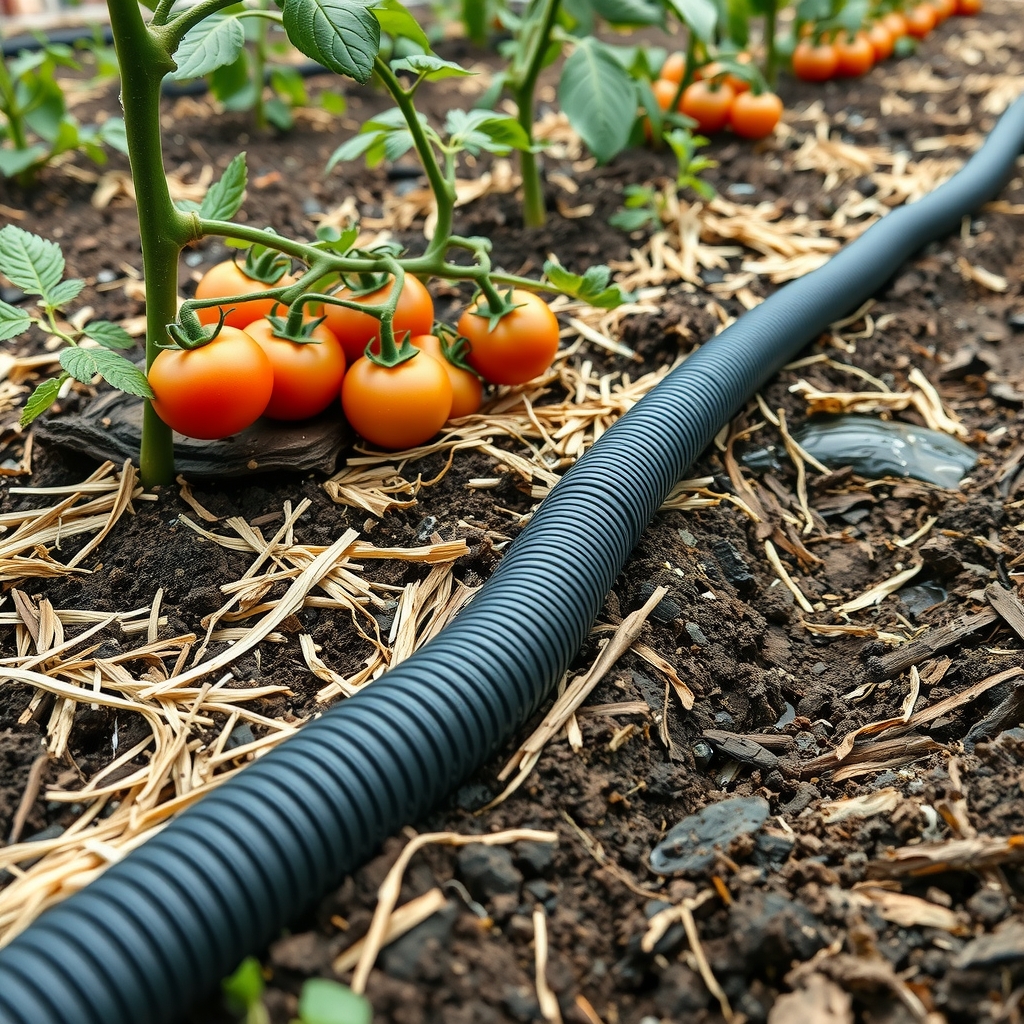
Illustrative image (AI-generated), not the exact product.
ISU Extension advises watering small trees regularly during dry periods, because defoliation plus drought stress can be too much for young trees. A soaker hose coiled under the canopy waters deeply without wetting leaves.
FAQs
When do Japanese beetles come out in Iowa?
Adults begin to emerge from the ground in late June, and new adults keep appearing through July, according to Iowa State University Extension. Most are gone by mid- to late August.
Do Japanese beetle traps work?
Not for most yards. ISU Extension says traps have been shown to be ineffective for moderate to heavy infestations and may attract more beetles than they catch.
What is the best way to get rid of Japanese beetles?
For a few plants, handpick or shake beetles into a bucket of soapy water early in the morning, when they are sluggish, and repeat often. Screening high-value plants and spot-spraying with a labeled garden insecticide are other options.
What plants do Japanese beetles eat in Iowa?
More than 300 plants. Favorites include roses, raspberries, grapevines, crabapples, birches and lindens.
Will treating my lawn for grubs stop Japanese beetles?
No. ISU Extension notes that controlling grubs in your lawn will not reduce the number of beetles in your yard the next year, because adults fly in from nearby areas. Grub treatment protects the lawn itself.
Will Japanese beetles kill my tree?
Established, healthy trees usually recover. ISU Extension says defoliation is most harmful to trees planted in the last two or three years and to trees in poor health, so protect and water young trees.
Sources and review scope
This guide was prepared on October 29, 2026 from the following sources and from the product listings on Amazon.com. Homingwell did not perform hands-on testing.
- Iowa State University Extension and Outreach – Japanese beetles are devouring my roses. What can I do?
- ISU Extension Yard and Garden – Controlling and preventing issues with Japanese beetles
- ISU Extension Yard and Garden – Japanese beetle life cycle and grubs (River Cities’ Reader)
- ISU Extension Horticulture Hints – Beetles in the garden (Messenger)
- University of Missouri Extension – Biology and Management of Japanese Beetle (G7412)
Explore more Lawn & Garden guides.