
Lawn & Garden • Minnesota Planting Dates • Updated October 29, 2026
When to Plant Tomatoes in Minnesota: Dates, Soil Temps and Tips
Explore related guides: When to start seeds in Minnesota · When to plant tomatoes in Iowa · Grow lights for seedlings · Soil test kits · When to plant tomatoes in Illinois.
Planting tomatoes too early is the most common Minnesota tomato mistake: a cold night or chilly soil can stall plants for weeks, and a late frost can kill them outright. This guide explains when to plant tomatoes in Minnesota in each part of the state, the soil and night temperatures to wait for, and University of Minnesota Extension tips for getting transplants off to a fast start.
When to plant tomatoes in Minnesota: the short answer
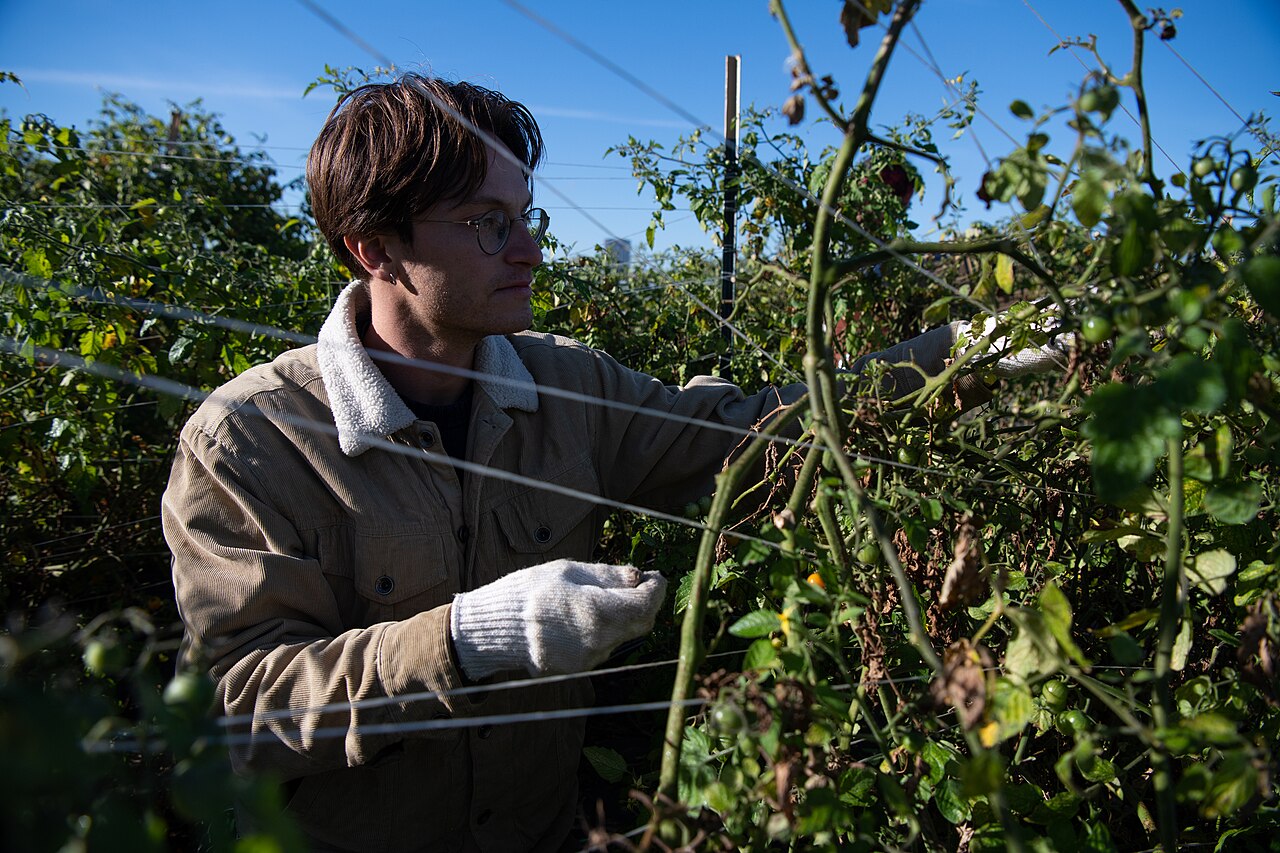
In the Twin Cities and southern Minnesota, plant tomatoes outside in late May, with Memorial Day a safer target than Mother’s Day. In central Minnesota aim for late May to early June, and in northern Minnesota early to mid-June. Whatever the calendar says, wait until frost danger has passed, daytime soil is in the 60s°F, and nights stay at or above 50°F.
Tomato planting dates by region
| Region | Median last spring freeze (MN DNR) | Plant tomatoes |
|---|---|---|
| Twin Cities metro | April 24 to 27 | Mid to late May, around Memorial Day |
| Southern Minnesota (Rochester, Mankato) | Late April to early May | Mid to late May |
| Central Minnesota (St. Cloud, Brainerd) | Around mid-May | Late May to early June |
| Northern Minnesota (Duluth, Bemidji) | May 16 to 21 | Early to mid-June |
The median freeze date is only the start: in the Twin Cities, about 90 percent of years are free of 32°F nights after about May 10, and tomatoes also need warm soil, which usually takes another week or two. Start seeds indoors about 6 to 8 weeks before these dates; see our Minnesota seed starting calendar.
Signs it is time to plant tomatoes
- Frost danger has passed. UMN Extension says to transplant after all danger of frost has passed and the soil has warmed.
- Soil is warm. The Minnesota State Horticultural Society suggests soil in the 60s°F during the day and not below 50°F at night. A soil thermometer takes the guesswork out.
- The 10-day forecast is mild, with no nights in the 30s.
- Nature agrees. A traditional phenology sign is planting tomatoes when dogwoods are in peak bloom, which in central Minnesota is usually late May or early June.
How to plant tomatoes in Minnesota
- Harden off first. UMN Extension recommends setting plants outside with wind protection and a couple of hours of sun, then gradually adding sun over a week or two, bringing them in if nights approach freezing.
- Pick a fresh spot. Avoid places where tomatoes, potatoes, peppers, eggplant or tomatillos grew in the last three or four years.
- Choose the right moment: late afternoon or a cool, cloudy, calm day.
- Water plants well before transplanting.
- Plant deep. Tomatoes root along buried stems, so set them deeper than they grew in the pot.
- Install supports at planting time: stakes, cages, spirals or trellises, as UMN advises.
- Space them out: allow two to three feet around vining types; bush types can go closer.
- Water in and mulch once the soil has warmed, and keep watering steady through summer.
Tips for Minnesota’s short season
- Choose earlier varieties for northern Minnesota, with shorter days to maturity on the seed packet.
- Keep frost cloth handy through early June for surprise cold nights.
- Pot up instead of planting early. If weather is cold, move plants into bigger pots and wait; they will catch up quickly in warm soil.
- Use raised beds or a sunny, south-facing spot so soil warms sooner.
Tools for planting tomatoes
All five were listed as sold by Amazon.com when checked on October 29, 2026. Check the current listing before you buy.
To know when soil is ready: Taylor Soil Thermometer
Product pick
Taylor Soil Thermometer with Silicone Bumper
Illustrative image (AI-generated), not the exact product.
A stainless steel probe that reads soil temperature below the surface, with a dial that shows optimal ranges for planting. The easiest way to know when your bed has reached the 60s°F tomatoes need.
For a late cold snap: Amazon Basics Plant Covers, 10 x 30 ft
Product pick
Amazon Basics Plant Covers for Frost Protection, 10 x 30 ft

Illustrative image (AI-generated), not the exact product.
A lightweight, breathable frost cloth for the light frosts that can still hit Minnesota in late May and early June. Drape it over plants in the evening and remove it the next morning.
For support: Happygrill Adjustable Tomato Cages, 60 in, 3 Pack
Product pick
Happygrill 60 in Adjustable Tomato Cages, 3 Pack
Illustrative image (AI-generated), not the exact product.
Tall PE-coated metal cages with rings you can raise as plants grow, plus clips and ties in the box. UMN recommends installing supports at planting time so you do not damage roots later.
For tying to stakes: VELCRO Brand Adjustable Plant Ties, 75 ft
Product pick
VELCRO Brand Adjustable Plant Ties, 75 ft x 1/2 in
Illustrative image (AI-generated), not the exact product.
Soft, reusable ties that hold tomato stems to stakes without cutting into them. Cut to length and reuse next season.
For steady watering: Gilmour 50 ft Flat Soaker Hose
Product pick
Gilmour 50 ft Flat Weeper Soaker Hose
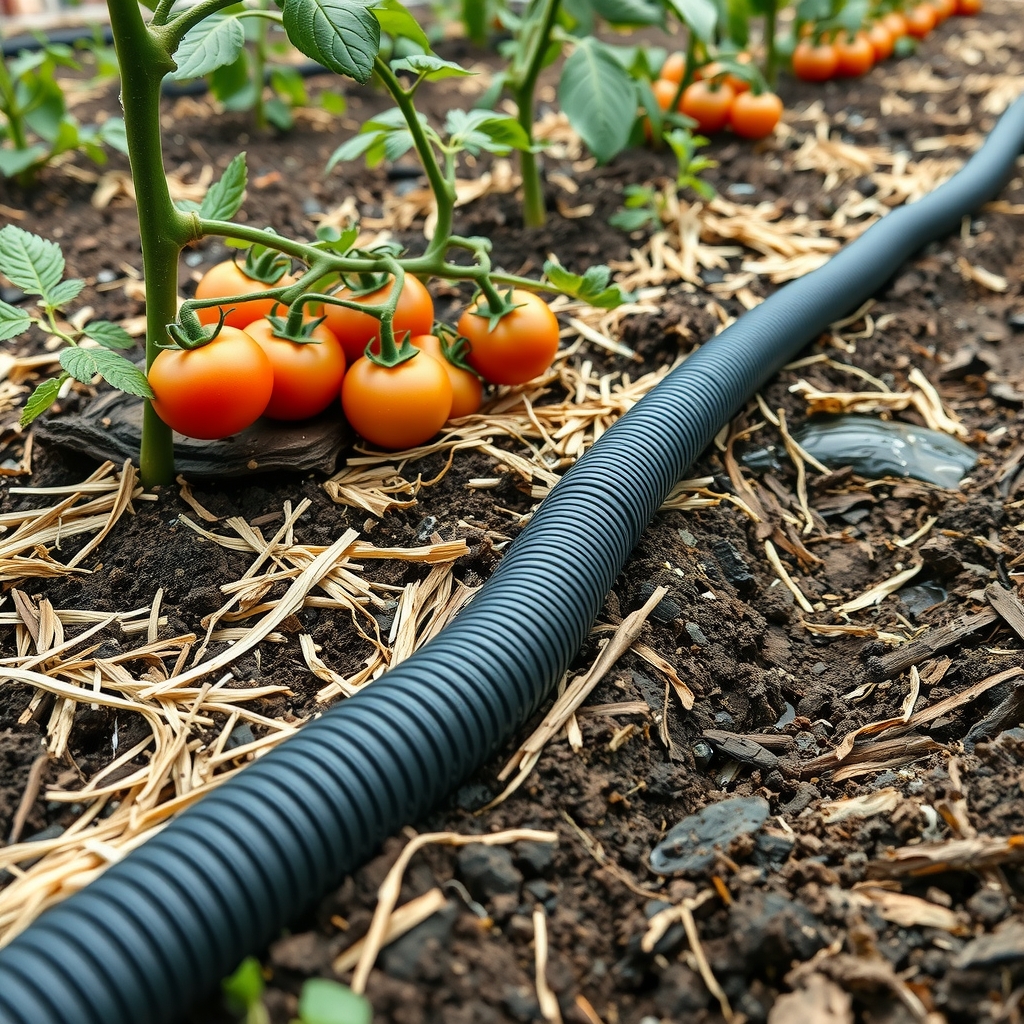
Illustrative image (AI-generated), not the exact product.
A flat soaker hose that delivers water straight to the roots and keeps leaves dry, which helps reduce leaf disease. Even watering also helps prevent blossom end rot.
Conclusion
Plant tomatoes in Minnesota in late May for the Twin Cities and south, late May to early June in central Minnesota, and early to mid-June up north, but let the soil and the forecast make the final call: soil in the 60s, nights at or above 50°F, and no frost ahead. Harden plants off, plant them deep, support them right away, and keep frost cloth handy.
FAQs
Can I plant tomatoes on Mother’s Day in Minnesota?
It is risky. The Minnesota State Horticultural Society notes that Memorial Day is a safer option, and early June is fine if you pot plants up while you wait.
What soil temperature do tomatoes need?
Daytime soil in the 60s°F and nights not below 50°F are good signs it is time to plant transplants.
When should I plant tomatoes in northern Minnesota?
Early to mid-June. The median last spring freeze in northern Minnesota is May 16 to 21, and soil warms slowly after that.
When should I start tomato seeds in Minnesota?
About 6 to 8 weeks before your planting date, usually early April in the Twin Cities and later farther north.
What should I do if frost is forecast after planting?
Cover tomatoes in the evening with frost cloth, sheets or buckets, and remove covers the next morning.
How deep should I plant tomato transplants?
Deeper than they grew in the pot. Tomatoes form roots along buried stems, which gives plants a stronger root system.
Sources and review scope
This guide was prepared on October 29, 2026 from the following sources and from the product listings on Amazon.com. Homingwell did not perform hands-on testing.
- University of Minnesota Extension – A quick guide to tomatoes
- Minnesota State Horticultural Society (Northern Gardener) – When can I plant tomatoes?
- Minnesota DNR State Climatology – Median freeze dates
- MPR News – Last frost odds in the Twin Cities
Explore more Lawn & Garden guides.