
Lawn & Garden • Minnesota Planting Dates • Updated October 29, 2026
When to Start Seeds in Minnesota: Indoor Seed Starting Calendar
Explore related guides: Seed starting kits · Grow lights for seedlings · Seedling heat mats · When to start seeds in Iowa · When to start seeds in Illinois · When to start seeds in Wisconsin · When to plant tomatoes in Minnesota.
Minnesota’s growing season is short, so starting seeds indoors gives tomatoes, peppers and flowers the head start they need. But start too early and you get tall, weak seedlings waiting weeks for the ground to warm. Here is when to start seeds in Minnesota, crop by crop, with frost dates for the Twin Cities, central and northern Minnesota, and the supplies that make it easier.
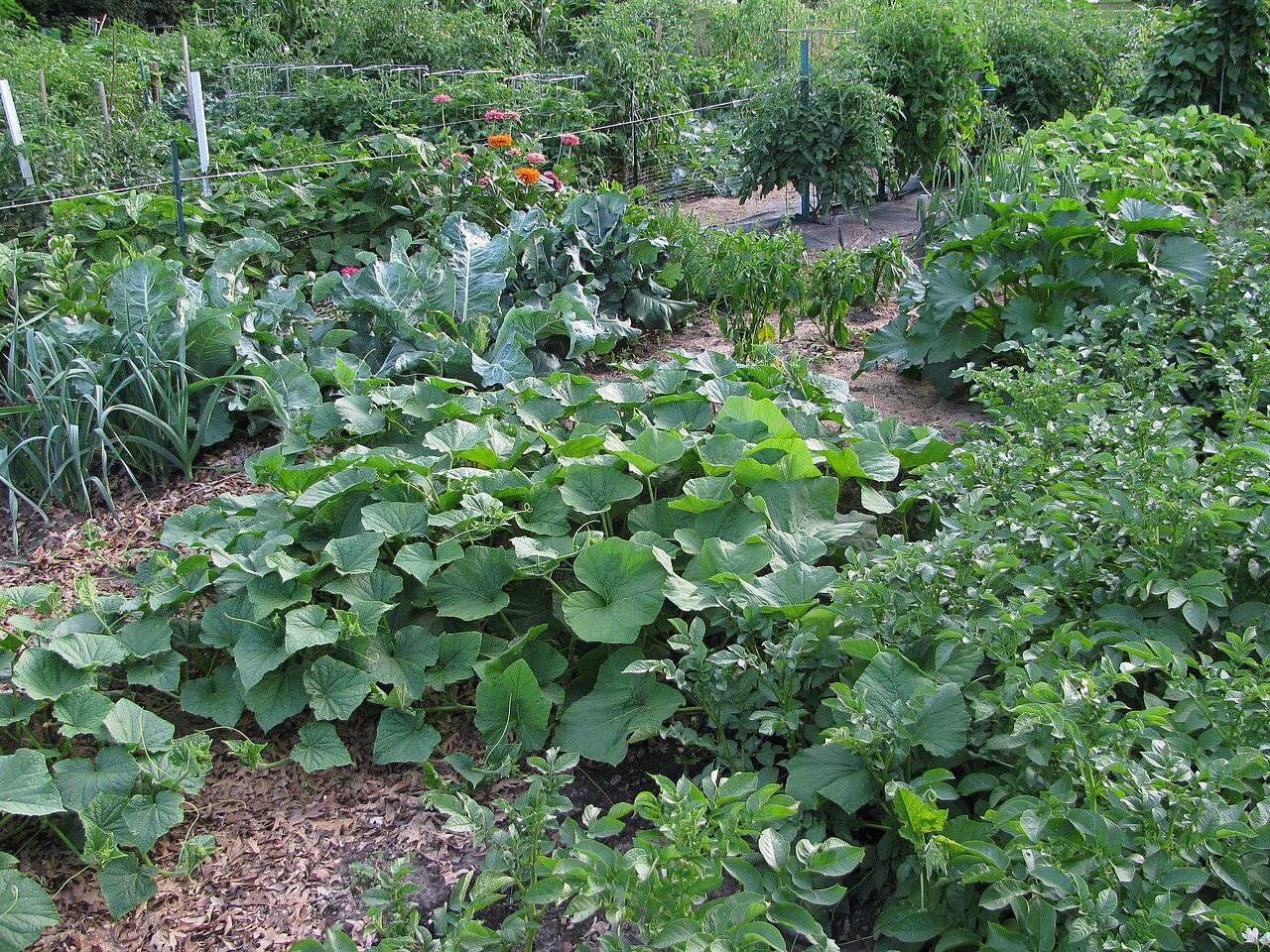
When to start seeds in Minnesota: the short answer
In the Twin Cities and southern Minnesota, start onions, leeks and celery in late February, peppers, eggplant and cabbage-family crops in March, tomatoes in early April, and cucumbers, squash and melons in late April to early May. Plant tender crops outside in late May. In central Minnesota shift everything about a week later, and in northern Minnesota about two weeks later.
Minnesota frost dates by region
| Region | Median last spring freeze | Plant tender crops out |
|---|---|---|
| Twin Cities metro | April 24 to 27 | Mid to late May (90% of years are freeze-free after about May 10) |
| Southern Minnesota (Rochester, Mankato) | Late April to early May | Mid to late May |
| Central Minnesota (St. Cloud, Brainerd) | Mid-May | Late May to early June |
| Northern Minnesota (Duluth, Bemidji) | May 16 to 21 | Early to mid-June |
A median date still means a 50 percent chance of a later freeze, so plan your seed starting from a date one to two weeks later than the median. The Minnesota State Horticultural Society notes that for much of the state, planning around a last frost of about May 10 works well, earlier in the south and later in the north.
Minnesota indoor seed starting calendar
| Crop | Weeks indoors | Sow indoors | Plant outside |
|---|---|---|---|
| Onions, leeks, celery | 10 to 12 | Late February | Early to mid-May |
| Peppers, eggplant | 8 to 10 | Mid to late March | Late May, once nights stay above 50°F |
| Broccoli, cabbage, cauliflower | 6 to 8 | Early to mid-March | Late April to early May |
| Petunias, snapdragons, coleus | 10 to 12 | Early March | Late May |
| Tomatoes | 6 to 8 | Early April | Late May to early June |
| Basil, marigolds, zinnias | 4 to 6 | Mid-April | Late May |
| Cucumbers, squash, melons | 2 to 4 | Late April to early May | Late May to early June |
Why wait until April for tomatoes? The Minnesota State Horticultural Society, citing University of Minnesota advice, recommends holding off: later-started tomatoes go into the garden in late May or early June as stocky, strong plants instead of leggy ones that sat indoors too long.
Peas, spinach, lettuce, radishes, carrots, beets and beans grow best sown directly in the garden; no indoor start needed.
Northern vs southern Minnesota
- Southern Minnesota and the metro: use the calendar above. The urban heat island means many city yards warm earlier than rural ones nearby.
- Central Minnesota: start each crop about one week later than the table.
- Northern Minnesota and the Arrowhead: start about two weeks later, and choose short-season varieties. Frost is still common through May and even into early June up north.
- Low spots: valleys and low ground collect cold air, so wait an extra week before setting out tender plants.
Set up a simple seed starting station
- Use clean cells or trays and a sterile seed starting mix.
- Provide bottom heat for slow sprouters. Peppers, eggplant and tomatoes germinate fastest in warm mix; a heat mat with a thermostat helps in cool Minnesota basements. See our seedling heat mat guide.
- Light as soon as seeds sprout. A window is rarely enough in March. Keep LED or fluorescent lights a few inches above seedlings and run them about 14 to 16 hours a day on a timer. More in our grow lights guide.
- Water from below and keep the mix moist, not soggy.
- Pot up tomatoes and peppers into larger containers once they have a few true leaves.
Harden off before planting out
About 7 to 10 days before planting, set seedlings outside in a sheltered, shady spot for an hour or two, then gradually increase sun and time each day. Bring them in on cold nights. Hardened-off plants handle Minnesota’s wind and bright late-May sun far better.
Supplies for starting seeds indoors
All five were listed as sold by Amazon.com at the time of writing. Check the current listing before you buy.
For seeds: Burpee SuperSeed 36-Cell Seed Starting Tray
Product pick
Burpee SuperSeed 36-Cell Reusable Seed Starting Tray
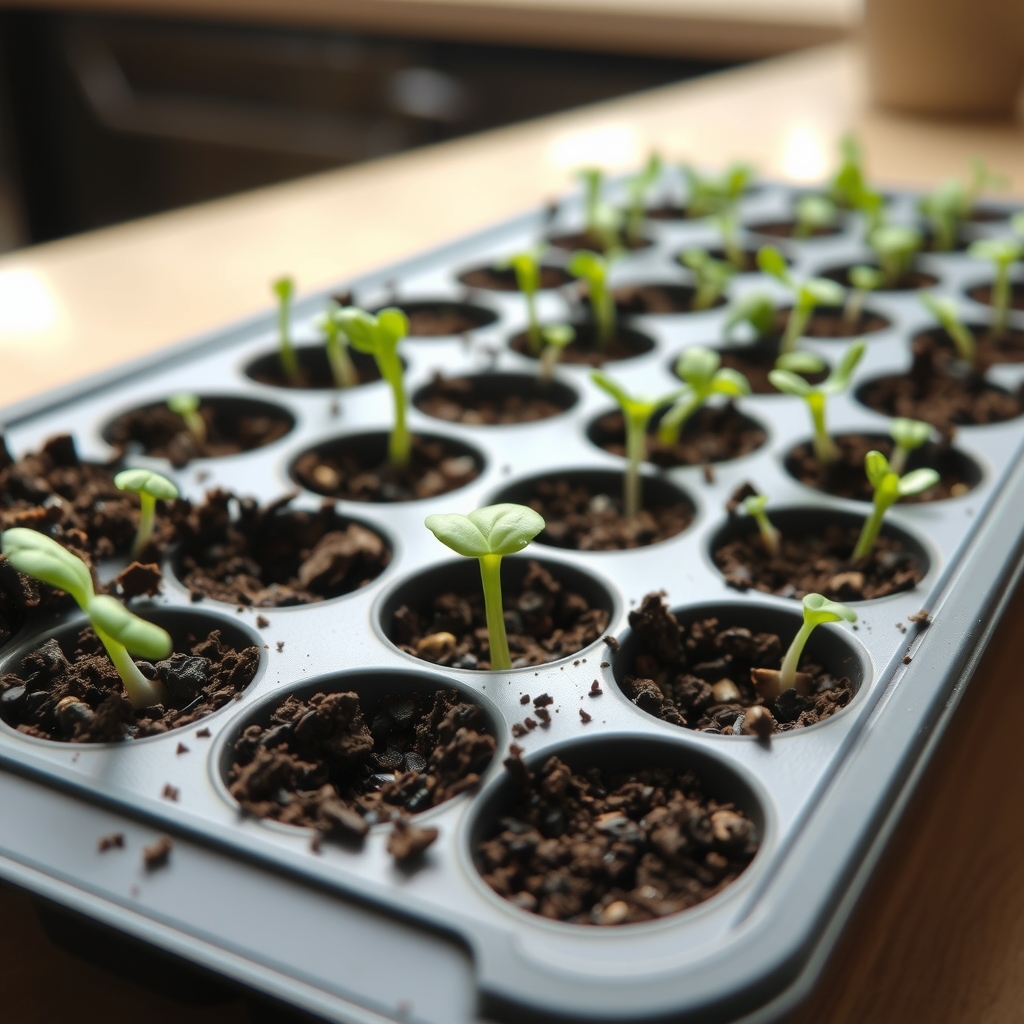
Illustrative image (AI-generated), not the exact product.
A reusable tray with 36 roomy cells, a good size for tomatoes, peppers and brassicas. Reusable trays save money over several Minnesota springs and are easy to wash between seasons.
For light: iPower LED Grow Light Stand
Product pick
iPower LED Grow Light Stand, Full Spectrum
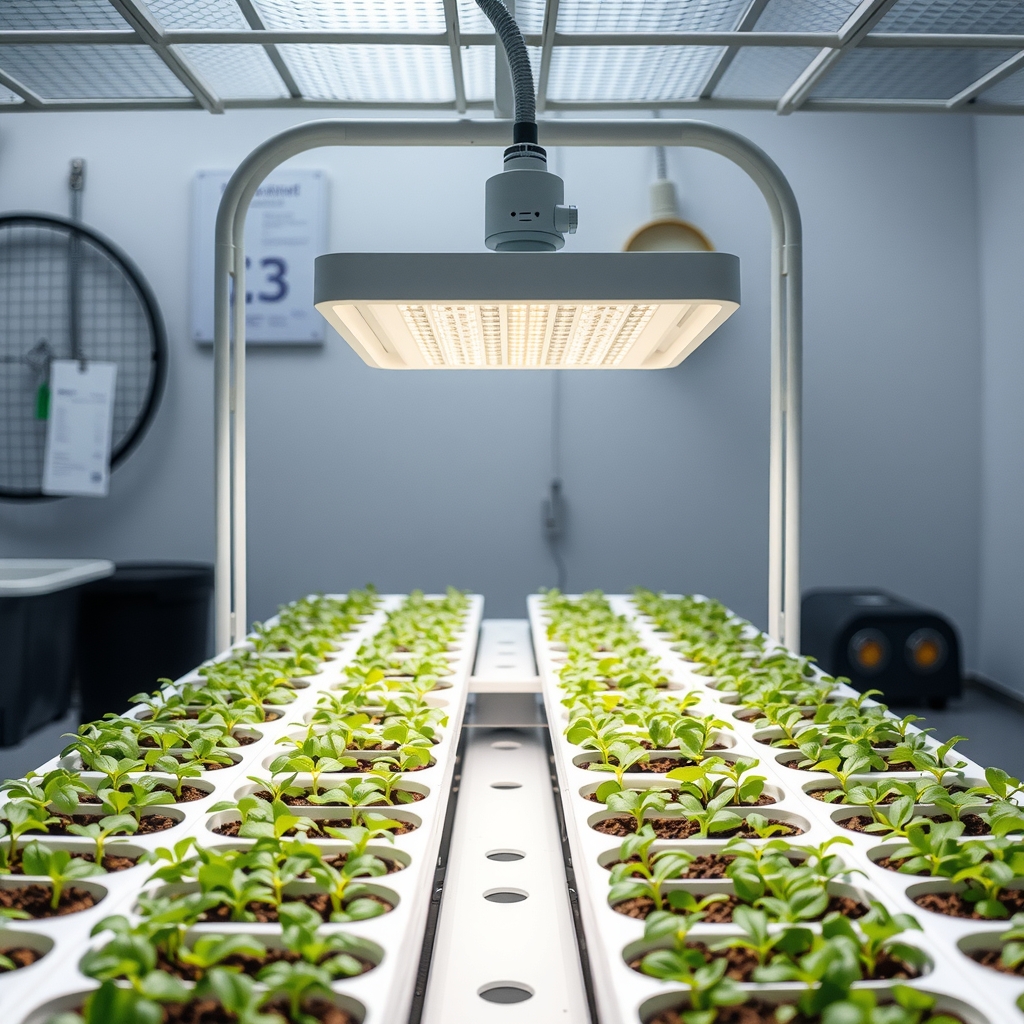
Illustrative image (AI-generated), not the exact product.
An adjustable stand with full-spectrum LED lights you can keep just above the seedlings and raise as they grow. Low light is the number one cause of leggy seedlings during gray Minnesota Marches.
For warmth: iPower 10 x 20 in Seedling Heat Mat
Product pick
iPower 10 x 20 in Waterproof Seedling Heat Mat
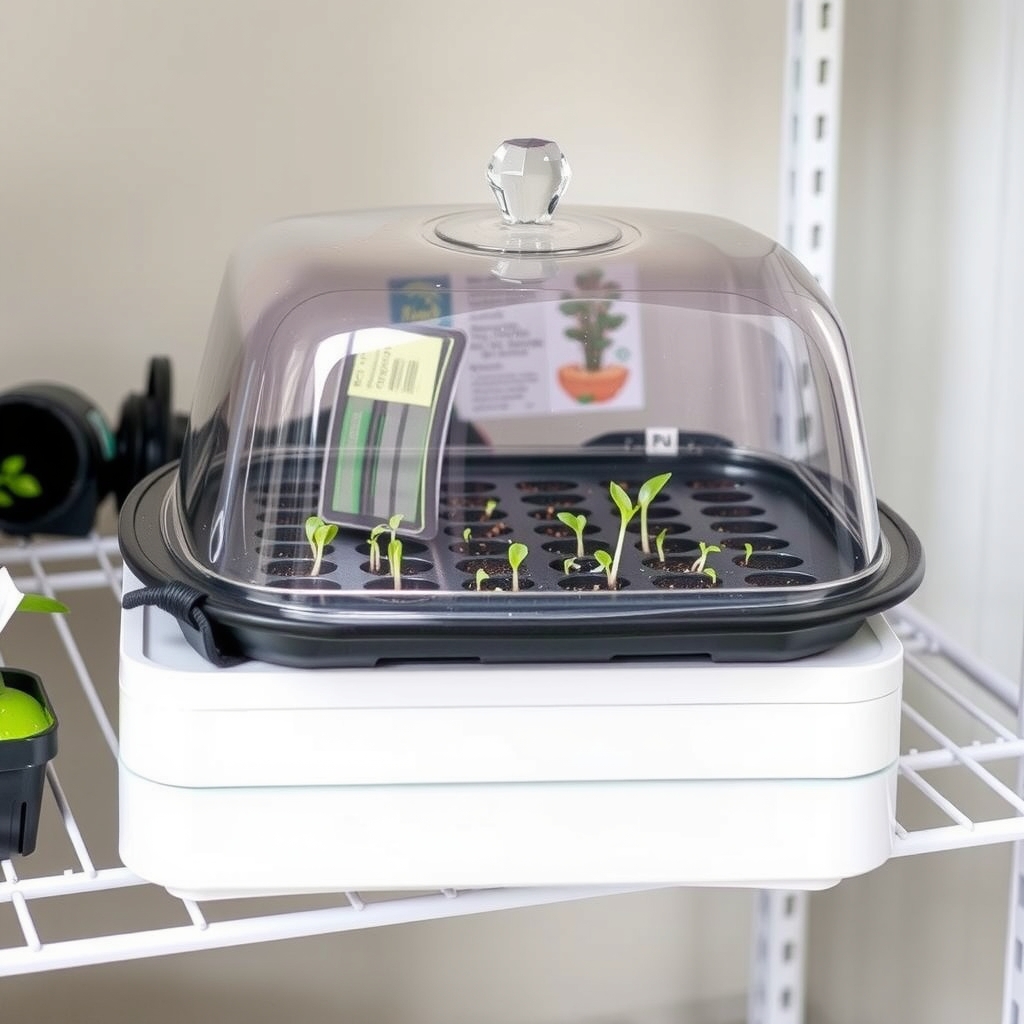
Illustrative image (AI-generated), not the exact product.
Fits under a standard 10 by 20 inch flat and warms the root zone so peppers and tomatoes sprout faster and more evenly in a cool basement. Remove trays from the mat once most seeds are up.
For control: JumpStart Digital Thermostat for Heat Mats
Product pick
JumpStart Digital Thermostat Controller for Heat Mats
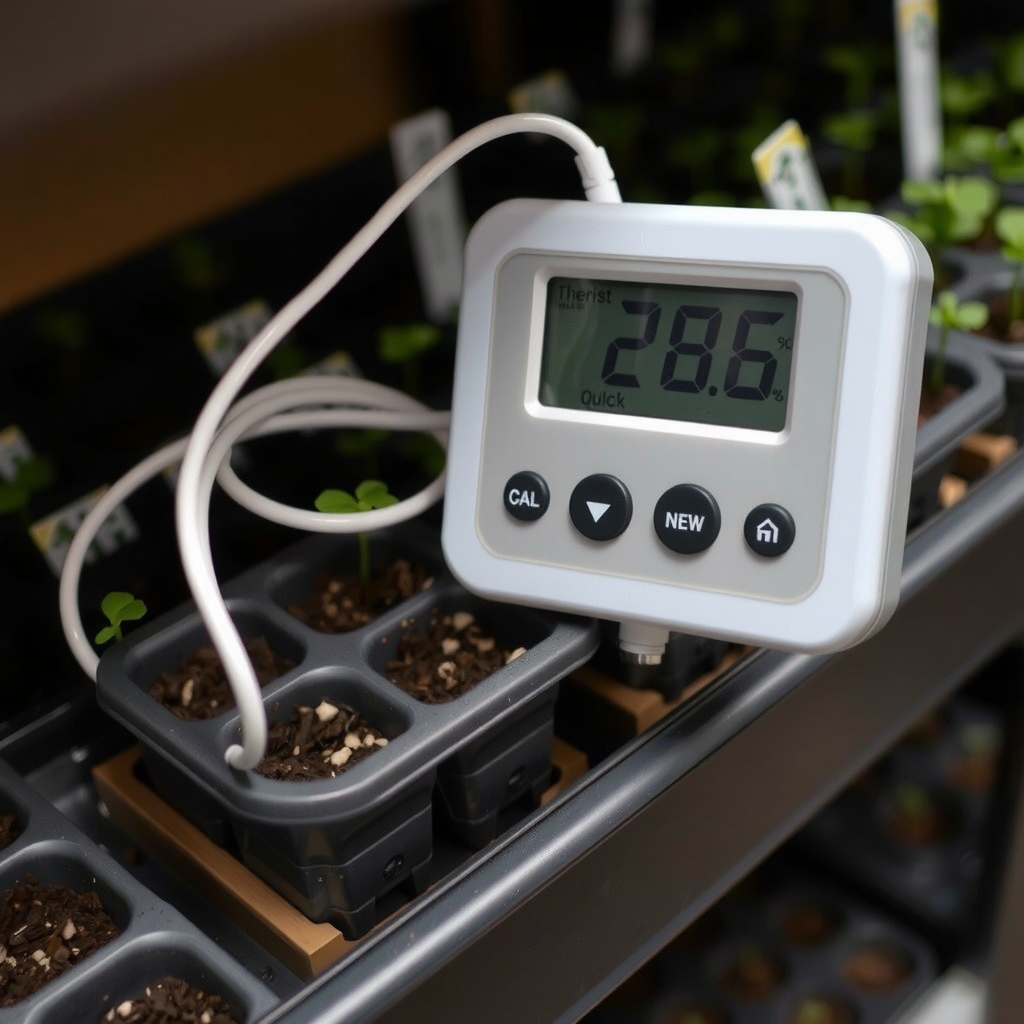
Illustrative image (AI-generated), not the exact product.
A probe thermostat that turns the mat on and off to hold the temperature you set, so a warm room never overheats your trays. Set it to the temperature on the seed packet.
For timing: GE 24-Hour Plug-in Mechanical Timer
Product pick
GE 24-Hour Plug-in Mechanical Timer
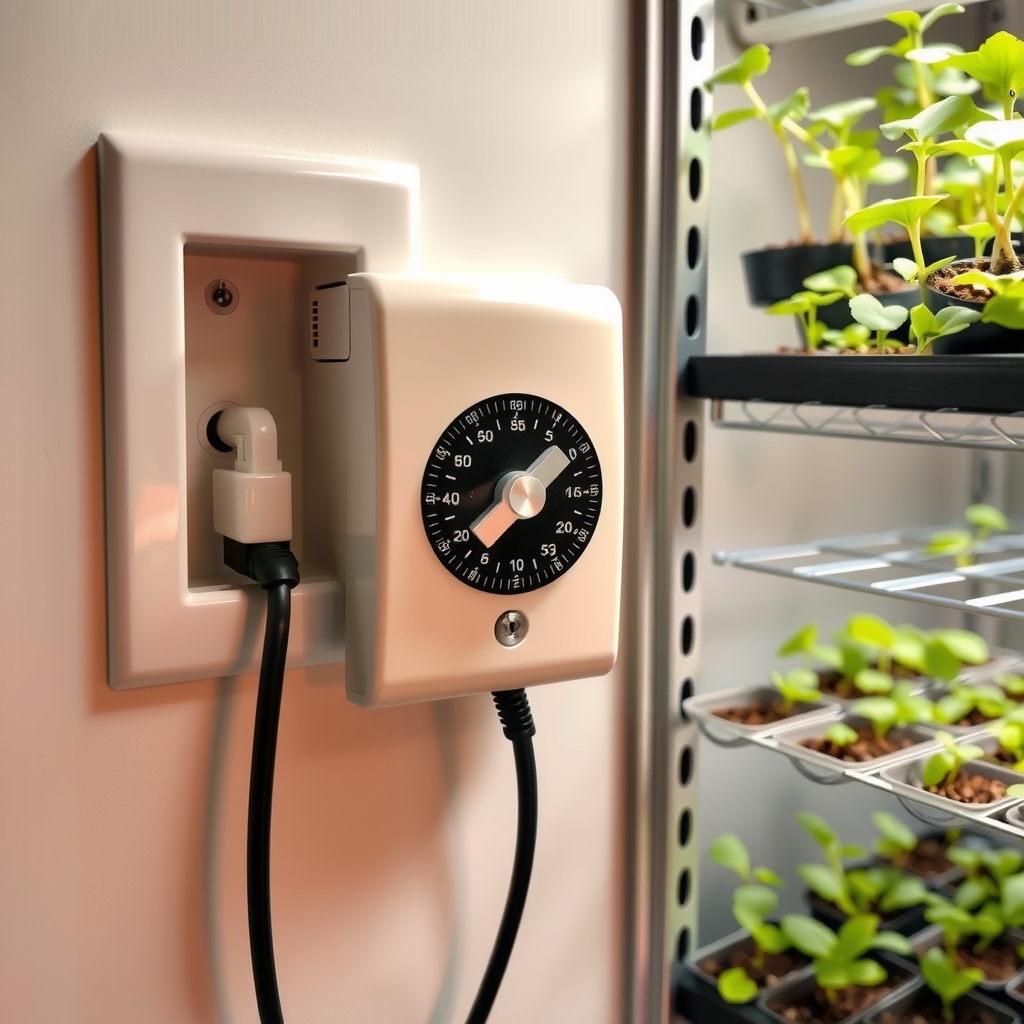
Illustrative image (AI-generated), not the exact product.
A simple plug-in timer that switches grow lights on and off at the same time every day, so seedlings get steady hours of light even when you forget.
Conclusion
Start seeds in Minnesota by counting back from your region’s safe planting date, not the calendar alone: onions and celery in late February, peppers and brassicas in March, tomatoes in early April, and cucurbits in late April or early May for the metro and south. Add a week for central Minnesota and two for the north, give seedlings strong light, and harden them off before planting out.
FAQs
When should I start tomato seeds in Minnesota?
In early April for the Twin Cities and southern Minnesota, about a week later in central Minnesota and two weeks later up north. That gives 6 to 8 week old plants for late May or early June planting.
When is the last frost in Minnesota?
Minnesota DNR data puts the median last spring freeze at April 24 to 27 in the Twin Cities metro and May 16 to 21 in northern Minnesota.
When should I start pepper seeds in Minnesota?
Mid to late March in the metro and south. Peppers are slow and need 8 to 10 weeks indoors plus bottom heat to sprout well.
Is it too early to start seeds in January in Minnesota?
For most vegetables, yes. Only very slow crops like onions, leeks, celery and some flowers such as geraniums benefit from very early starts.
Do I need grow lights to start seeds in Minnesota?
Strongly recommended. Late-winter sun through a window is rarely enough, and seedlings grown without lights usually turn tall and weak.
When can I plant tomatoes outside in Minnesota?
Late May to early June in the south and metro, once nights stay above 50°F, and early to mid-June in northern Minnesota.
Sources and review scope
This guide was prepared on October 29, 2026 from the following sources and from the product listings on Amazon.com. Homingwell did not perform hands-on testing. Sellers were checked on Amazon.com on the same date.
- Minnesota DNR State Climatology – Median last spring and first fall freeze dates
- Minnesota DNR – Twin Cities final spring frost
- MPR News – Last frost odds in the Twin Cities
- Minnesota State Horticultural Society (Northern Gardener) – When to start seed indoors
- Northern Gardener – Seed starting timing for vegetables and annuals
Explore more Lawn & Garden guides.