
Lawn & Garden • Nebraska Planting Dates • Updated October 29, 2026
When to Start Seeds in Nebraska: Indoor Seed Starting Calendar
Explore related guides: When to start seeds in Iowa · Minnesota · Illinois · Wisconsin · Grow lights · When to plant tomatoes in Nebraska.
Nebraska spring can swing from warm to freezing in the same week, which makes indoor seed starting one of the best ways to give tomatoes and peppers a safe head start. But the right date in Omaha is not the right date in Scottsbluff. Here is when to start seeds in Nebraska, with Nebraska State Climate Office frost dates and Nebraska Extension timing for eastern, central and western Nebraska.

When to start seeds in Nebraska: the short answer
In eastern Nebraska, Nebraska Extension suggests counting back from Mother’s Day for warm-season crops. That means starting peppers about 7 to 8 weeks before (mid-March) and tomatoes about 6 weeks before (late March to early April), with onions in February and broccoli and cabbage in mid to late March. Cool-season crops can go out in late April. In central Nebraska shift about a week later, and in the western Panhandle about two to three weeks later.
Nebraska frost dates by city
| City | Region | Average last spring frost |
|---|---|---|
| Falls City | Southeast | April 19 |
| Omaha | East | April 20 |
| Lincoln | Southeast | April 25 |
| Grand Island | Central | April 26 |
| Norfolk | Northeast | April 27 |
| Scottsbluff | Panhandle | May 9 |
| Valentine | North-central | May 12 |
| North Platte | West-central | May 13 |
An average date still carries about a 50 percent chance of a later frost. The State Climate Office notes that a killing freeze after May 1 is very unlikely in southeast Nebraska but about a 4 in 10 chance at North Platte and close to a coin flip at Valentine and Scottsbluff. Plan tender crops for one to two weeks after your average date.
Nebraska indoor seed starting calendar
| Crop | Weeks indoors | Sow indoors | Plant outside |
|---|---|---|---|
| Onions, leeks, celery | 10 to 12 | Mid to late February | Mid to late April |
| Peppers, eggplant | 8 to 10 | Early to mid-March | Mid-May, nights above 50°F |
| Broccoli, cabbage, cauliflower | 4 to 6 | Mid to late March | Late April |
| Tomatoes | 6 to 8 | Late March to early April | Around Mother’s Day to mid-May |
| Basil, marigolds | 4 to 6 | Early to mid-April | Mid-May |
| Cucumbers, squash, melons | 3 to 4 | Mid to late April | Mid to late May |
The Nebraska Statewide Arboretum adds that tomatoes should not go outside until nighttime temperatures stay above 50°F, and that peppers germinate slowly and appreciate bottom heat. Peas, spinach, lettuce, radishes, carrots and potatoes are planted directly in the garden.
Eastern, central and western Nebraska
- Eastern and southeast Nebraska (Omaha, Lincoln, Falls City): use the calendar as written. Mother’s Day is a good plant-out target for tomatoes and peppers.
- Central and northeast Nebraska (Grand Island, Kearney, Norfolk): start about a week later and plant out in mid to late May.
- Western Nebraska and the Panhandle (North Platte, Scottsbluff, Valentine): start about two to three weeks later and plan tender crops for late May. Higher elevations in the northern Panhandle can still freeze after May 1 in most years.
- Wind: Nebraska wind is hard on new transplants, so harden seedlings off well and consider a temporary windbreak.
Set up a simple seed starting station
- Use clean cells or trays and a sterile seed starting mix.
- Give peppers bottom heat with a seedling heat mat. See our heat mat guide.
- Turn on bright, consistent light as soon as seeds sprout, with LEDs a few inches above the plants for about 14 to 16 hours a day. See our grow lights guide.
- Harden off for 7 to 10 days, starting in a sheltered spot out of the wind.
Supplies for starting seeds indoors
All five were listed as sold by Amazon.com when checked on October 29, 2026. Check the current listing before you buy.
For seeds: Burpee SuperSeed 36-Cell Seed Starting Tray
Product pick
Burpee SuperSeed 36-Cell Reusable Seed Starting Tray
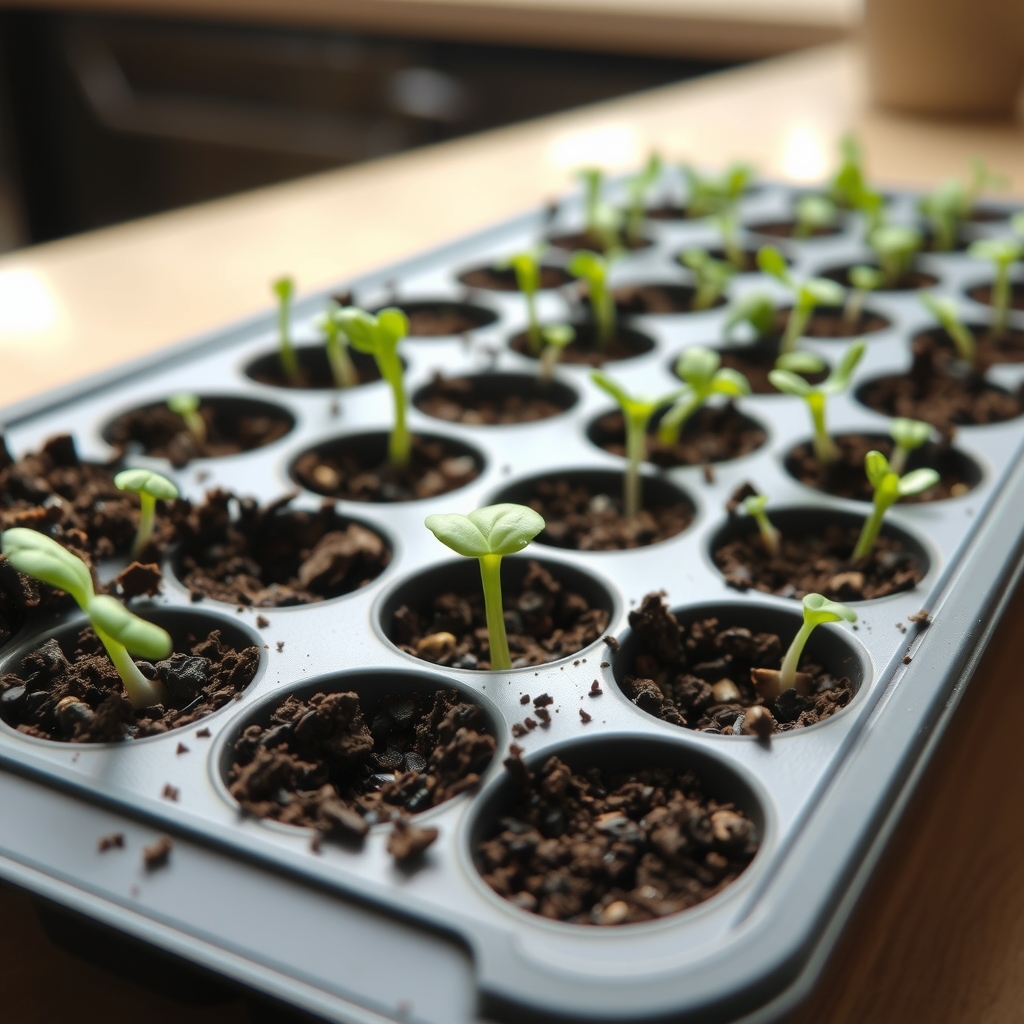
Illustrative image (AI-generated), not the exact product.
A reusable 36-cell tray with roomy cells for tomatoes, peppers and brassicas that washes clean for next season.
For light: iPower LED Grow Light Stand
Product pick
iPower LED Grow Light Stand, Full Spectrum
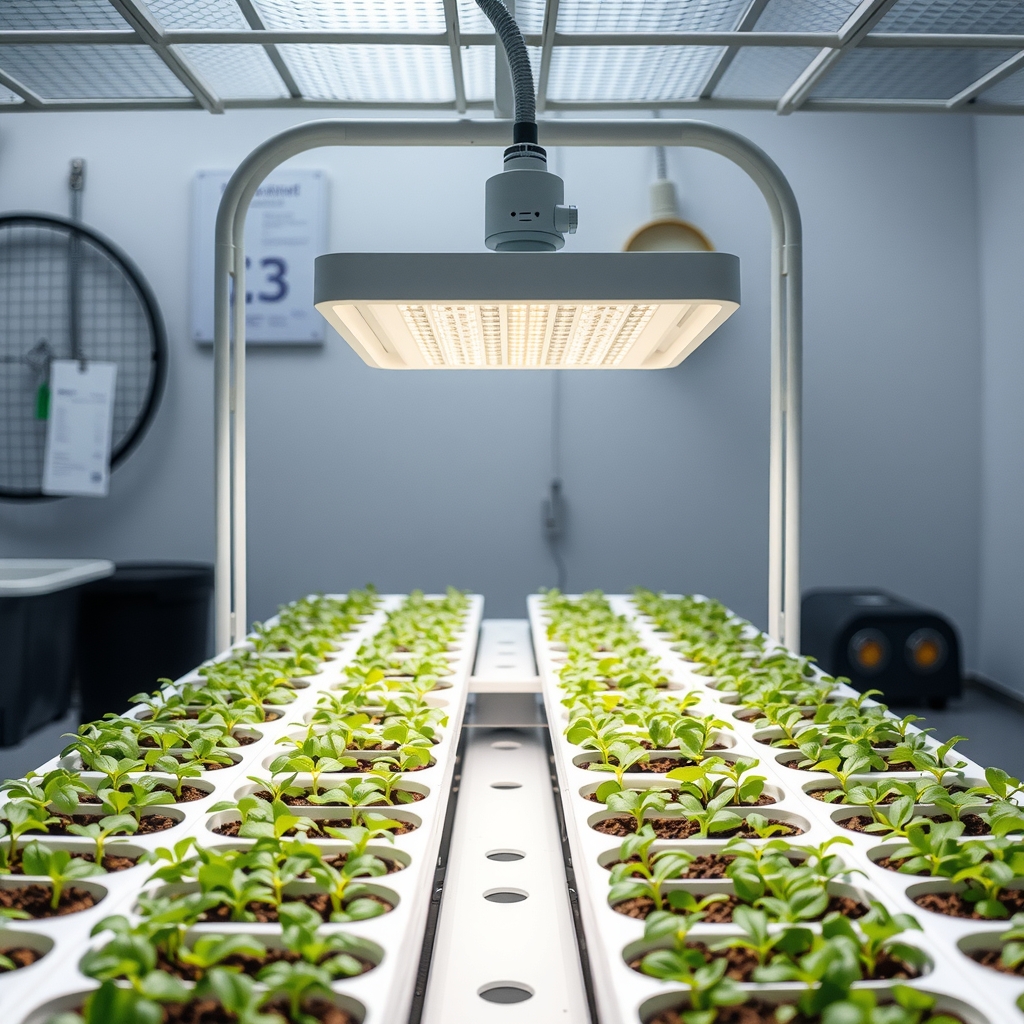
Illustrative image (AI-generated), not the exact product.
An adjustable full-spectrum LED stand that delivers the bright, consistent light tomatoes and peppers need to stay compact.
For warmth: iPower 10 x 20 in Seedling Heat Mat
Product pick
iPower 10 x 20 in Waterproof Seedling Heat Mat
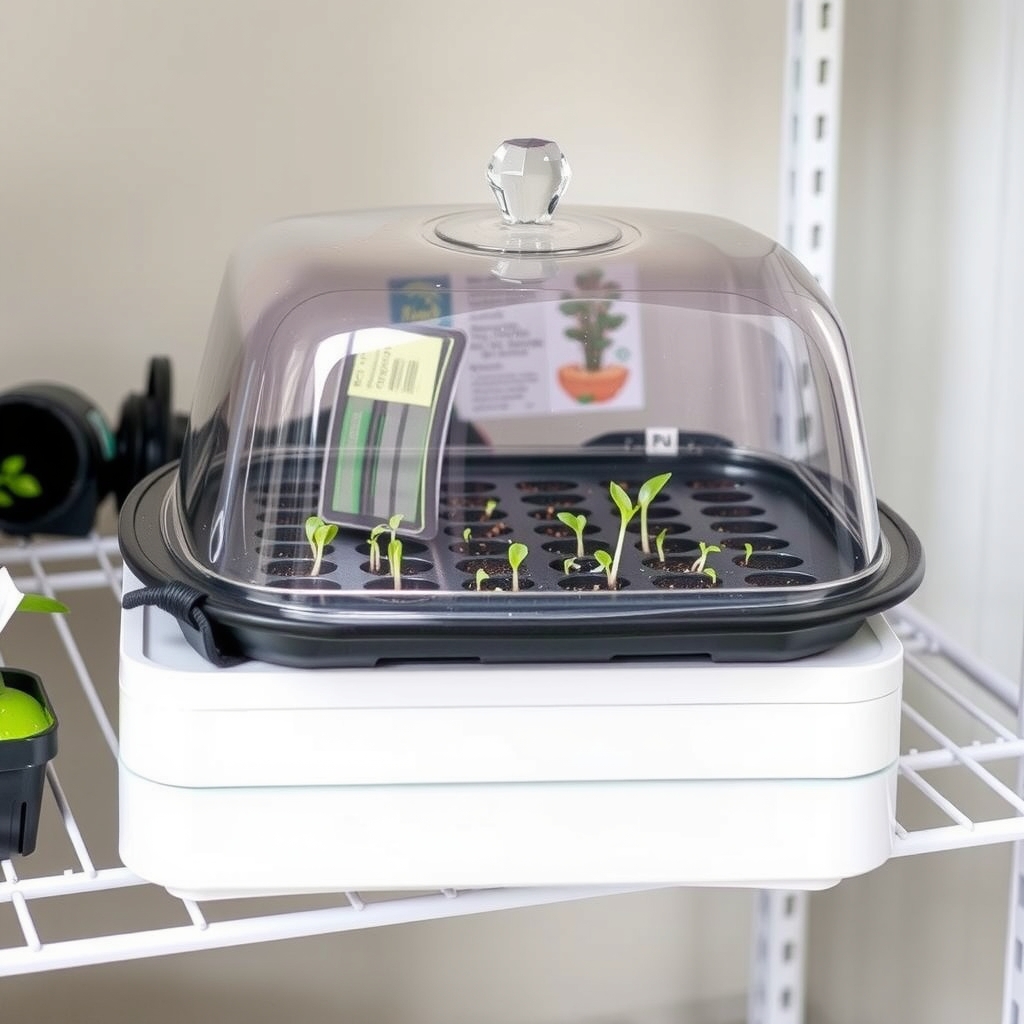
Illustrative image (AI-generated), not the exact product.
The bottom heat that slow-sprouting peppers appreciate. It fits under a standard 10 by 20 inch flat.
For control: JumpStart Digital Thermostat for Heat Mats
Product pick
JumpStart Digital Thermostat Controller for Heat Mats
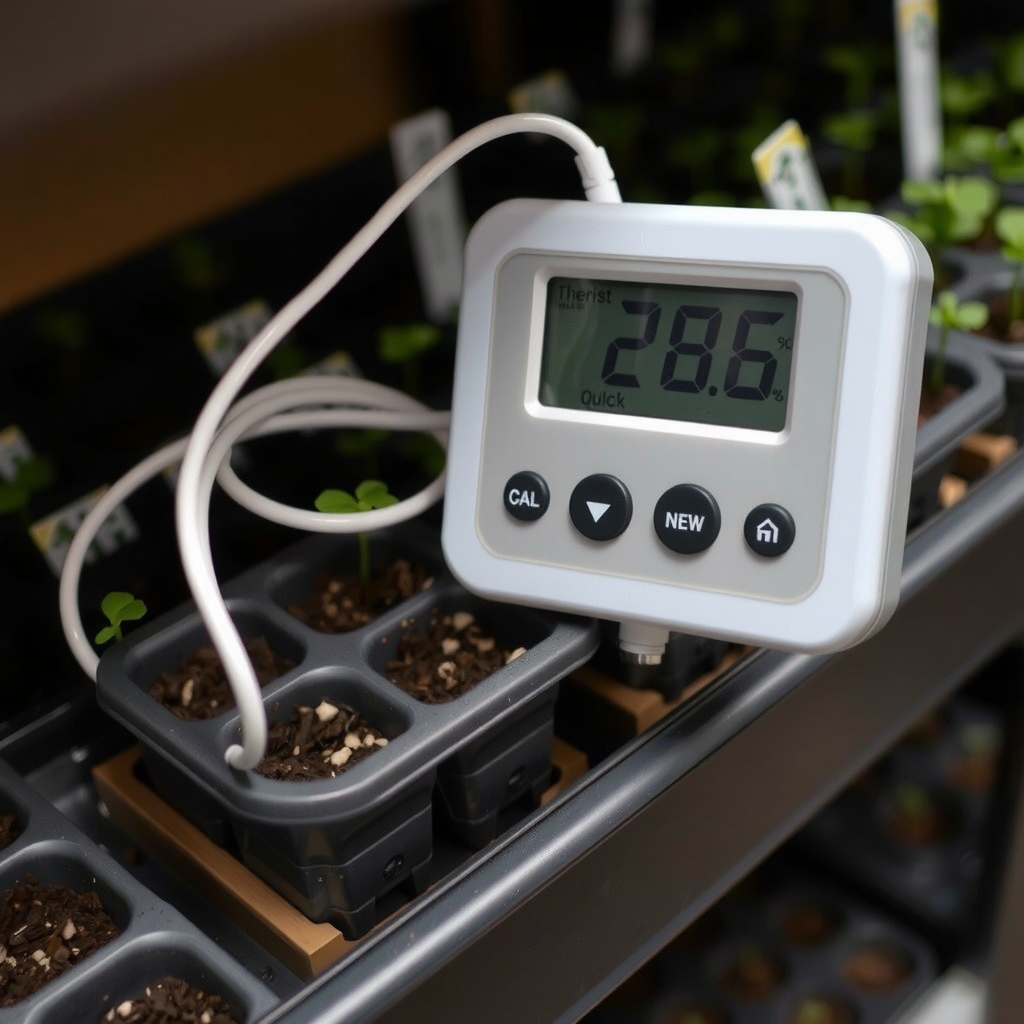
Illustrative image (AI-generated), not the exact product.
A probe thermostat that keeps the heat mat at the temperature you set, so trays never overheat.
For timing: GE 24-Hour Plug-in Mechanical Timer
Product pick
GE 24-Hour Plug-in Mechanical Timer
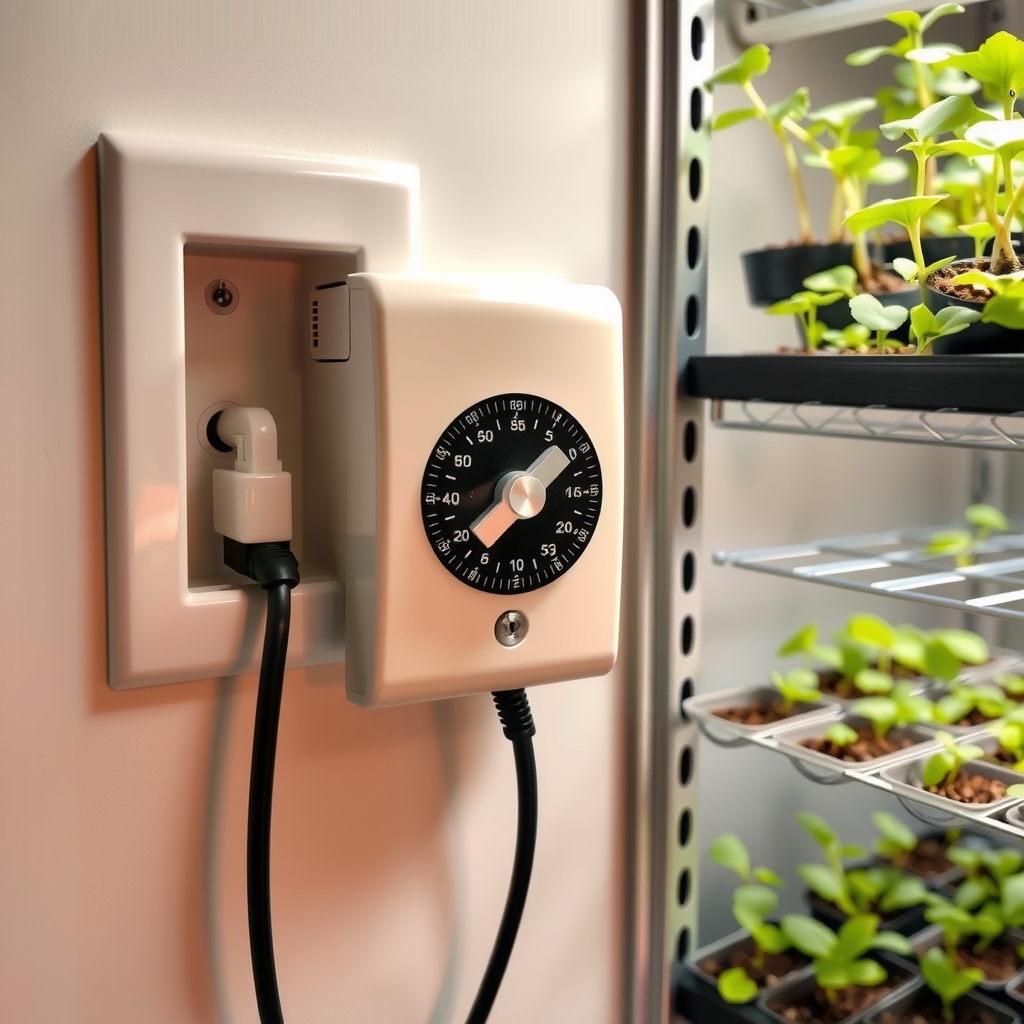
Illustrative image (AI-generated), not the exact product.
A simple plug-in timer that keeps grow lights on a steady daily schedule.
Conclusion
Start seeds in Nebraska by counting back from your plant-out date: around Mother’s Day in Omaha and Lincoln, mid to late May in central Nebraska, and late May in the Panhandle. Peppers go in first among the warm-season crops, about 7 to 10 weeks ahead, then tomatoes about 6 weeks ahead. Wait for nights above 50°F, and protect young transplants from Nebraska wind.
FAQs
When should I start tomato seeds in Nebraska?
About 6 weeks before your plant-out date. In eastern Nebraska that is late March to early April for planting around Mother’s Day; in western Nebraska, two to three weeks later.
When is the last frost in Nebraska?
Nebraska State Climate Office averages for 1991 to 2020 range from April 19 in Falls City and April 20 in Omaha to May 9 in Scottsbluff and May 13 in North Platte.
When should I start pepper seeds in Nebraska?
About 7 to 10 weeks before planting out, roughly early to mid-March in eastern Nebraska. Peppers sprout slowly and benefit from a heat mat.
Is Mother’s Day a safe planting date in Nebraska?
In eastern Nebraska, it is a common and reasonable target for tomatoes and peppers. Farther west, wait one to three weeks longer and watch the forecast.
When can I plant cool-season crops in Nebraska?
Cool-season crops like broccoli and cabbage can usually go in the ground in late April in eastern Nebraska.
When is the first fall frost in Nebraska?
Average first fall 32°F dates run from late September in the Panhandle to mid-October in Omaha.
Sources and review scope
This guide was prepared on October 29, 2026 from the following sources and from the product listings on Amazon.com. Homingwell did not perform hands-on testing.
- Nebraska State Climate Office – Last spring frost and freeze information
- Nebraska State Climate Office – Fall temperature thresholds
- Nebraska Extension Master Gardener – Tips for starting your garden indoors
- Nebraska Statewide Arboretum – Starting seeds indoors in Nebraska
Explore more Lawn & Garden guides.