
Lawn & Garden • Wisconsin Planting Dates • Updated October 29, 2026
When to Start Seeds in Wisconsin: Indoor Seed Starting Calendar
Explore related guides: When to start seeds in Minnesota · When to start seeds in Illinois · When to start seeds in Iowa · Grow lights for seedlings · When to start seeds in Nebraska · When to plant tomatoes in Wisconsin.
With a growing season that can top out around 120 to 130 days, Wisconsin gardeners have good reason to start tomatoes, peppers and eggplant indoors. The trick is timing: too early and seedlings get leggy waiting for warm soil, too late and they never catch up. Here is when to start seeds in Wisconsin, using UW Extension plant-out dates and State Climatology Office frost data for southern, west-central and northern Wisconsin.
When to start seeds in Wisconsin: the short answer
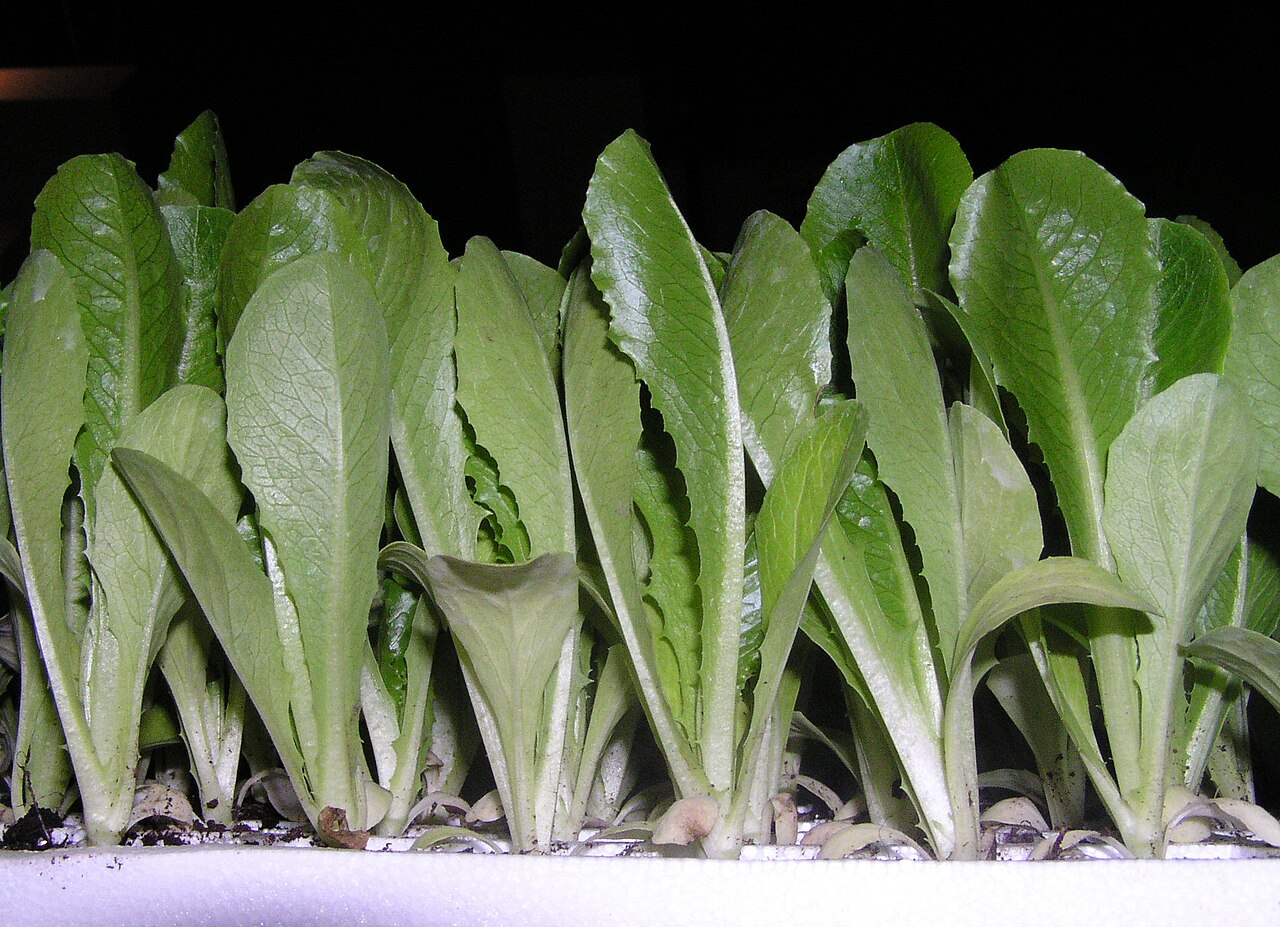
In southern Wisconsin, where UW Extension suggests planting tomatoes and peppers out around May 15 to 20, start onions and celery in mid to late February, peppers and eggplant in early to mid-March, broccoli and cabbage in mid-March, tomatoes in late March to early April, and cucumbers and squash in early May. In west-central Wisconsin, plan for a Memorial Day plant-out, about a week later. In the far north, warm-season transplants may not go out until late June.
Wisconsin frost dates
| City | Average last spring freeze |
|---|---|
| Milwaukee | April 22 |
| La Crosse | April 26 |
| Madison | May 3 |
| Green Bay | May 3 |
| Wausau | May 7 |
| Eau Claire | May 9 |
The State Climatology Office notes that most of Wisconsin usually sees its final spring freeze around the first week of May, with lakeshore areas like Milwaukee often done by the end of April. An average date still carries a 50 percent chance of a later freeze, so UW Extension plant-out dates for tender crops fall one to three weeks later. Northern Wisconsin, away from the Great Lakes, can freeze into late May or June.
Wisconsin indoor seed starting calendar
| Crop | Weeks indoors | Sow indoors | Plant outside |
|---|---|---|---|
| Onions, leeks, celery | 10 to 12 | Mid to late February | Early May |
| Peppers, eggplant | 8 to 10 | Early to mid-March | Around May 20, when soil reaches 60°F |
| Broccoli, cabbage, cauliflower | 6 to 7 | Mid-March | Late April to early May |
| Tomatoes | 6 to 8 | Late March to early April | May 15 to 20 |
| Basil, marigolds | 4 to 6 | Mid-April | Late May |
| Cucumbers, squash, melons | 3 to 4 | Early May | First week of June, or direct seed then |
UW Extension adds a useful soil rule: tomatoes and peppers are best not planted until soil is at least 60°F, and cold soil can stunt transplants or keep direct-sown seeds from sprouting. Peas, onion sets and seed potatoes go straight into the garden early, around April.
Southern, west-central and northern Wisconsin
- Southern Wisconsin (Madison, Milwaukee, Kenosha): cole crops out in late April to early May, tomatoes and peppers May 15 to 20, cucurbits the first week of June. Use the calendar as written.
- West-central Wisconsin (La Crosse, Eau Claire): UW Extension suggests Memorial Day as the plant-out date for tomatoes and peppers, with seeds started at the end of March or beginning of April, and cool-season crops started around mid-March.
- Northern and northeast Wisconsin: along the Lake Superior clay plain, warm-season transplants go out the last week of June, and cole crops in late May or early June. Many gardeners there use raised beds for warmer soil.
Set up a simple seed starting station
- Use clean trays and a sterile seed starting mix.
- Add bottom heat for peppers, eggplant and tomatoes in a cool basement. See our heat mat guide.
- Turn on strong light the day seeds sprout, keeping LEDs a few inches above the plants for about 14 to 16 hours a day. See our grow lights guide.
- Check soil temperature before planting out; an inexpensive soil thermometer helps, as UW Extension suggests.
- Harden off seedlings for 7 to 10 days before transplanting.
Supplies for starting seeds indoors
All five were listed as sold by Amazon.com when checked on October 29, 2026. Check the current listing before you buy.
For seeds: Burpee SuperSeed 36-Cell Seed Starting Tray
Product pick
Burpee SuperSeed 36-Cell Reusable Seed Starting Tray
Illustrative image (AI-generated), not the exact product.
A reusable 36-cell tray with roomy cells for tomatoes, peppers and brassicas that washes clean for next spring.
For light: iPower LED Grow Light Stand
Product pick
iPower LED Grow Light Stand, Full Spectrum
Illustrative image (AI-generated), not the exact product.
An adjustable LED stand that keeps light close to seedlings and rises as they grow, the best fix for leggy plants in dim Wisconsin late winter.
For warmth: iPower 10 x 20 in Seedling Heat Mat
Product pick
iPower 10 x 20 in Waterproof Seedling Heat Mat
Illustrative image (AI-generated), not the exact product.
Warms the root zone of a standard 10 by 20 inch flat so warm-season seeds sprout faster in a cool house. Move trays off once most seeds are up.
For control: JumpStart Digital Thermostat for Heat Mats
Product pick
JumpStart Digital Thermostat Controller for Heat Mats
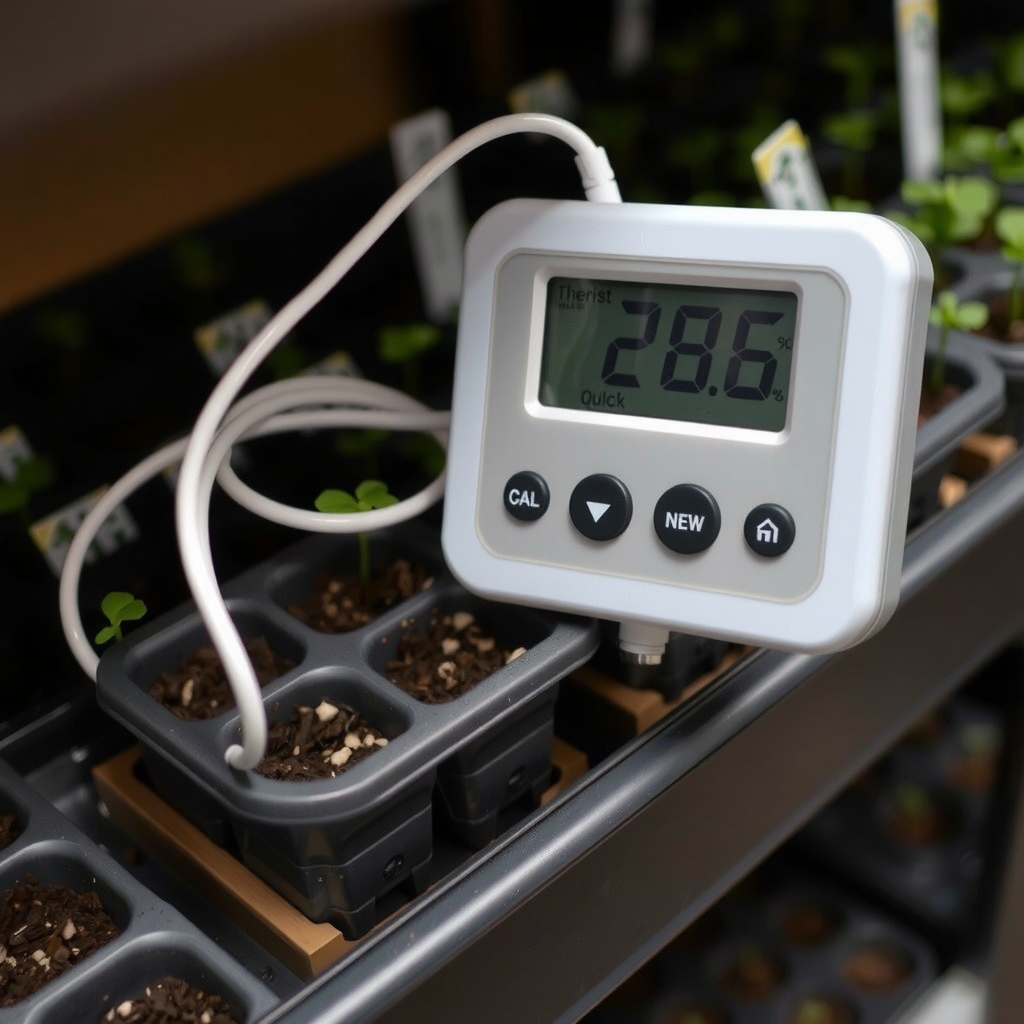
Illustrative image (AI-generated), not the exact product.
A probe thermostat that holds the mat at the temperature you set, so trays never overheat on a warm day.
For timing: GE 24-Hour Plug-in Mechanical Timer
Product pick
GE 24-Hour Plug-in Mechanical Timer
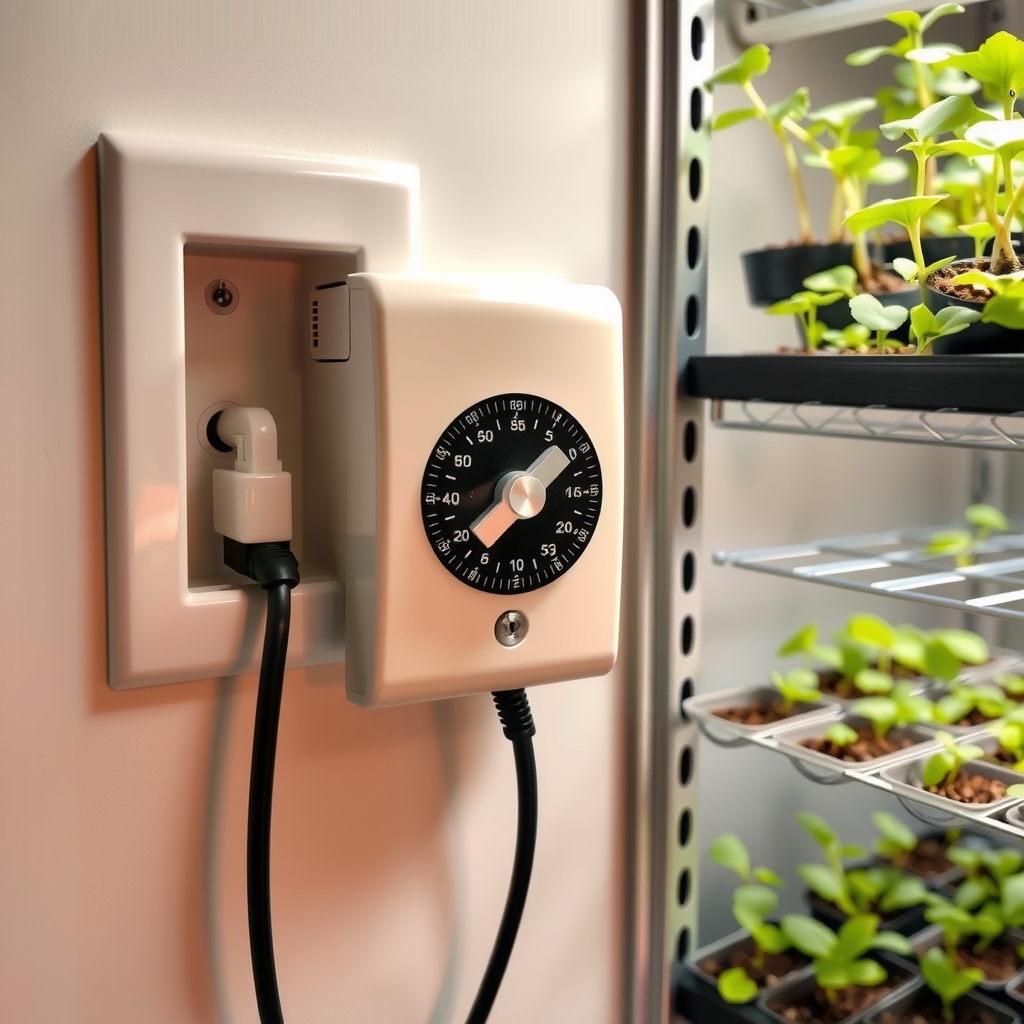
Illustrative image (AI-generated), not the exact product.
A simple timer that runs grow lights on the same schedule every day.
Conclusion
Start seeds in Wisconsin by counting back from your region’s plant-out date: around May 15 to 20 in the south, Memorial Day in west-central Wisconsin, and as late as the end of June in the far north. Onions and celery go first, then peppers and brassicas in March, tomatoes in late March or early April, and cucurbits in May. Wait for 60°F soil before planting tomatoes and peppers.
FAQs
When should I start tomato seeds in Wisconsin?
In late March to early April for southern Wisconsin, aiming to plant out around May 15 to 20. In west-central Wisconsin, UW Extension suggests the end of March or beginning of April for a Memorial Day planting.
When is the last frost in Wisconsin?
The Wisconsin State Climatology Office lists average last spring freezes of April 22 in Milwaukee, April 26 in La Crosse, May 3 in Madison and Green Bay, May 7 in Wausau and May 9 in Eau Claire.
When should I start pepper seeds in Wisconsin?
Early to mid-March in southern Wisconsin. Peppers need 8 to 10 weeks indoors and warm soil, at least 60°F, before planting out.
When can I plant tomatoes outside in Madison?
Around May 15 to 20, once soil has warmed to about 60°F and nights are mild.
When should northern Wisconsin gardeners start seeds?
Several weeks later than the south. Along the Lake Superior clay plain, warm-season transplants often go out in the last week of June, so tomato seeds can be started in late April to early May.
Do I need a heat mat to start seeds in Wisconsin?
Not for everything, but it helps peppers, eggplant and tomatoes sprout quickly in cool basements and homes.
Sources and review scope
This guide was prepared on October 29, 2026 from the following sources and from the product listings on Amazon.com. Homingwell did not perform hands-on testing.
- UW–Madison Extension (Kenosha County) – Seed starting: timing of seeding in Wisconsin
- Wisconsin State Climatology Office – Average last spring freeze dates
- Wisconsin State Climatology Office – Spring outlook and freeze trends
- Wisconsin Public Radio with UW Extension – Starting seeds indoors
Explore more Lawn & Garden guides.