
Lawn & Garden • Illinois Planting Dates • Updated October 29, 2026
When to Start Seeds in Illinois: Indoor Seed Starting Calendar
Explore related guides: When to start seeds in Minnesota · When to start seeds in Iowa · Grow lights for seedlings · Seedling heat mats · When to start seeds in Wisconsin · When to plant tomatoes in Illinois.
Illinois stretches nearly 400 miles from the Wisconsin line to Cairo, so a seed starting date that is perfect in Springfield is two weeks off in Rockford or Carbondale. This guide explains when to start seeds in Illinois using the University of Illinois Extension calendar, with frost dates for northern, central and southern Illinois and the supplies that make indoor seed starting easier.
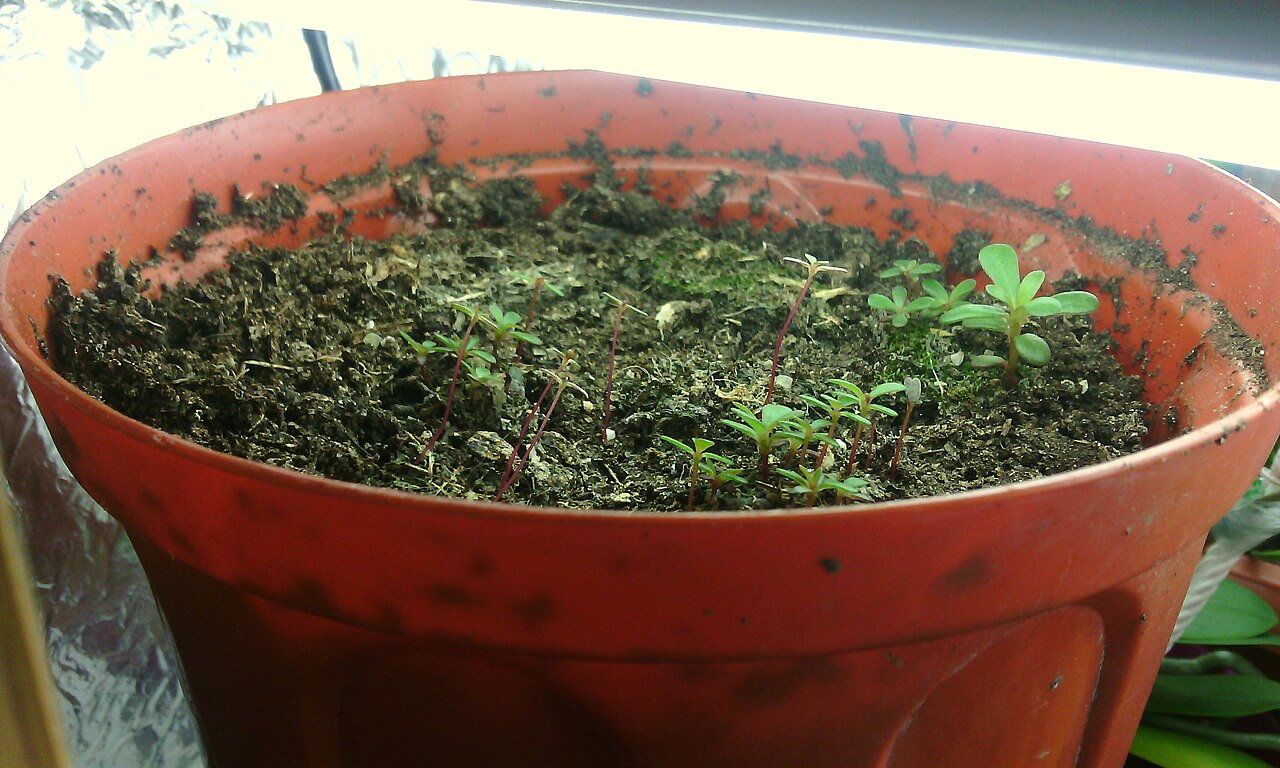
When to start seeds in Illinois: the short answer
In central Illinois, Illinois Extension suggests starting onions, leeks and celery in February, broccoli, cabbage and eggplant in early to mid-March, tomatoes, peppers and basil in mid to late March, and cucumbers, squash and melons in mid to late April. In northern Illinois, start about two weeks later; in southern Illinois, about two weeks earlier.
Illinois frost dates by region
| Region | Example cities | Median last freeze | Plant tender crops out |
|---|---|---|---|
| Northern Illinois | Rockford, Chicago, DeKalb | April 8 to 29 | Mid to late May |
| Central Illinois | Peoria, Springfield, Champaign | April 8 to 15 | Around Mother’s Day, mid-May |
| Southern Illinois | Carbondale, Mount Vernon | April 1 to 8 | Late April to early May |
The Illinois State Climatologist recommends adding about two weeks to the average last frost date before planting tender plants. Illinois Extension notes a common central Illinois rule: it is safe to plant after Mother’s Day. Cold air settles in low spots, while yards near buildings stay warmer, so your yard can differ from the regional date.
Illinois indoor seed starting calendar
| When to sow | Vegetables and herbs | Flowers |
|---|---|---|
| February | Celery, leek, onion, parsley, rosemary, thyme | Dianthus, foxglove, pansy and viola, verbena, lavender |
| Early to mid-March | Broccoli, cabbage, cauliflower, eggplant, kale, lettuce, oregano | Impatiens, petunia, salvia, snapdragon, hollyhock |
| Mid to late March | Tomato, pepper, basil, Swiss chard | Marigold, cosmos, celosia, Chinese aster |
| Early to mid-April | Okra | Amaranth, hyacinth bean, Mexican sunflower |
| Mid to late April | Cucumber, melons, pumpkin, squash | Zinnia |
Another Illinois Extension example: to plant tomatoes in central Illinois around May 15, start the seeds indoors between about March 20 and April 3, giving them 6 to 8 weeks inside. Peas, spinach, radishes, carrots, beets and beans are best sown directly in the garden.
Northern vs central vs southern Illinois
- Northern Illinois (Chicago area, Rockford): start every crop about two weeks later than the table. Near Lake Michigan, cool spring air can slow soil warming.
- Central Illinois (Peoria, Springfield, Champaign-Urbana): use the table as written.
- Southern Illinois (Carbondale and south): start about two weeks earlier, and enjoy about two extra weeks of harvest in fall.
Set up a simple seed starting station
- Use clean cells and a sterile seed starting mix.
- Cover trays with a clear lid or plastic to hold humidity, and remove it once seeds sprout, as Illinois Extension suggests.
- Add bottom heat for peppers, eggplant and tomatoes, which sprout faster in warm mix. See our heat mat guide.
- Give strong light right away, with LEDs a few inches above seedlings for about 14 to 16 hours a day on a timer. More in our grow lights guide.
- Harden off for 7 to 10 days before planting out, starting in shade and gradually adding sun.
Supplies for starting seeds indoors
All five were listed as sold by Amazon.com when checked on October 29, 2026. Check the current listing before you buy.
For seeds: Burpee SuperSeed 36-Cell Seed Starting Tray
Product pick
Burpee SuperSeed 36-Cell Reusable Seed Starting Tray
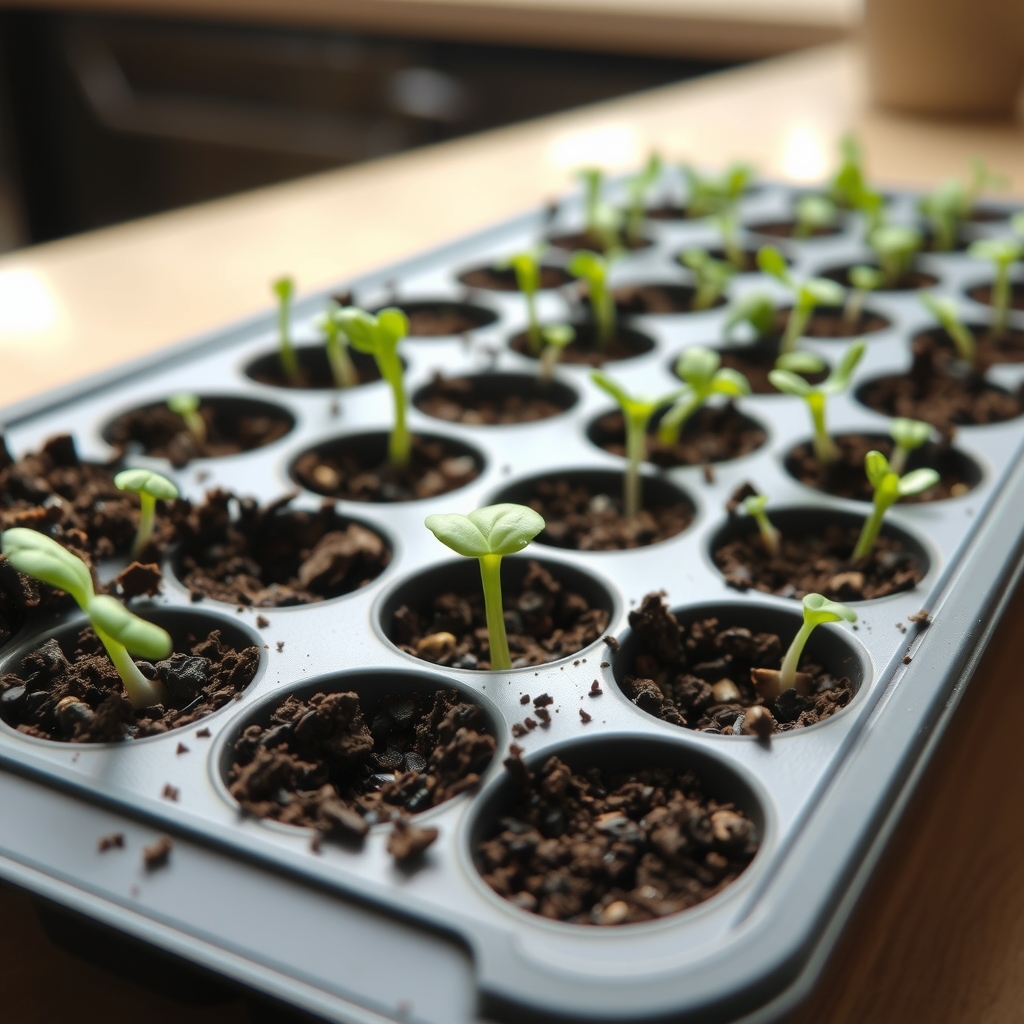
Illustrative image (AI-generated), not the exact product.
A reusable 36-cell tray with roomy cells for tomatoes, peppers and brassicas. It washes clean between seasons, so it pays for itself over a few springs.
For light: iPower LED Grow Light Stand
Product pick
iPower LED Grow Light Stand, Full Spectrum
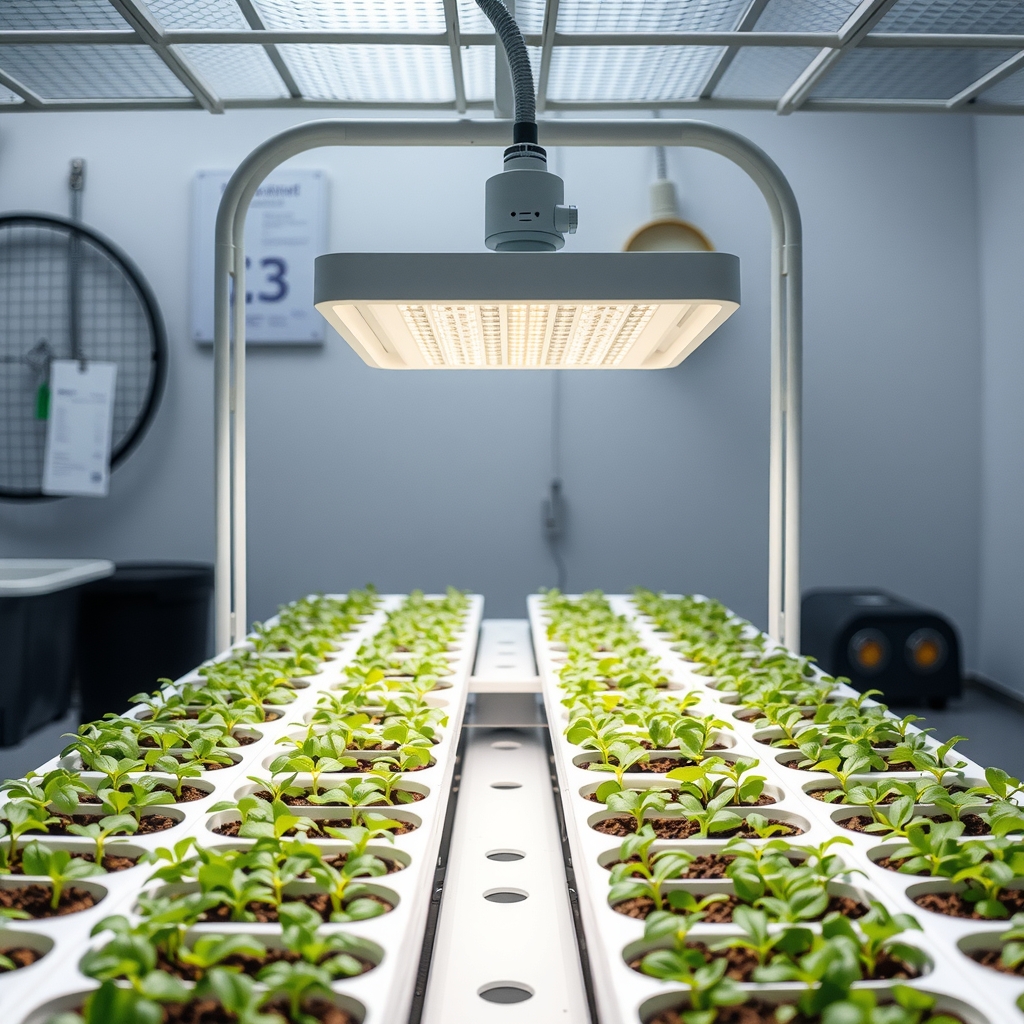
Illustrative image (AI-generated), not the exact product.
An adjustable stand with full-spectrum LEDs that you can keep just above the seedlings and raise as they grow. Strong light is what keeps March-sown tomatoes and peppers stocky.
For warmth: iPower 10 x 20 in Seedling Heat Mat
Product pick
iPower 10 x 20 in Waterproof Seedling Heat Mat
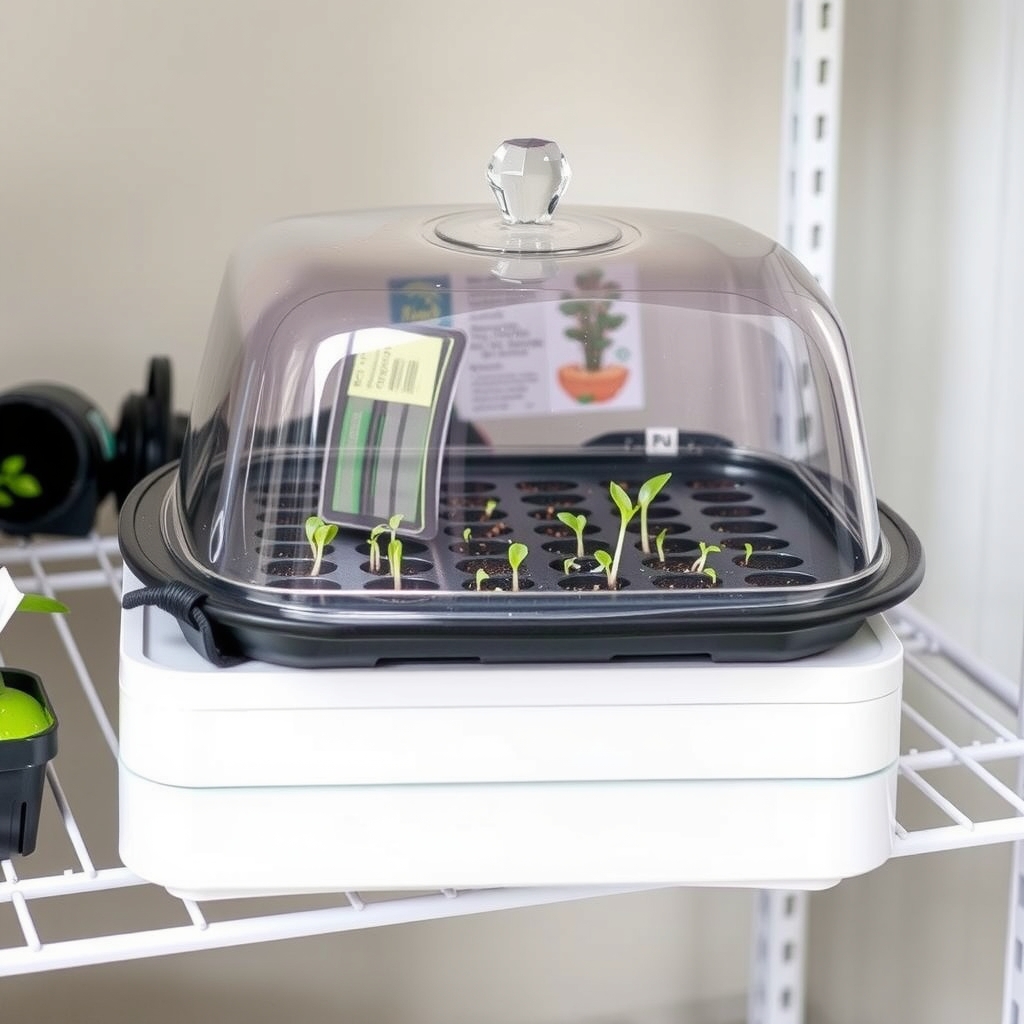
Illustrative image (AI-generated), not the exact product.
Fits under a standard 10 by 20 inch flat and warms the root zone so warm-season seeds sprout faster and more evenly. Move trays off the mat once most seeds are up.
For control: JumpStart Digital Thermostat for Heat Mats
Product pick
JumpStart Digital Thermostat Controller for Heat Mats
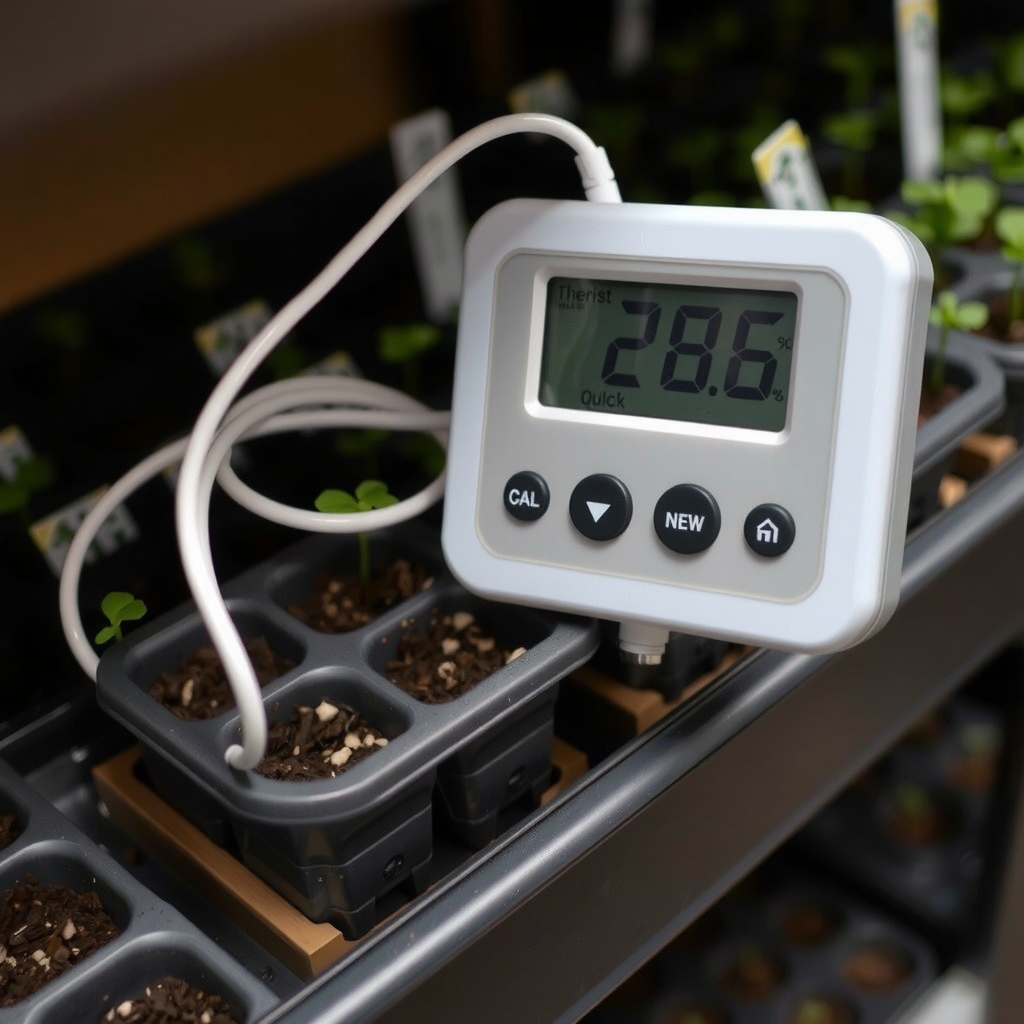
Illustrative image (AI-generated), not the exact product.
A probe thermostat that cycles the mat to hold the temperature you set, so trays never overheat in a warm room. Set it to the temperature on the seed packet.
For timing: GE 24-Hour Plug-in Mechanical Timer
Product pick
GE 24-Hour Plug-in Mechanical Timer
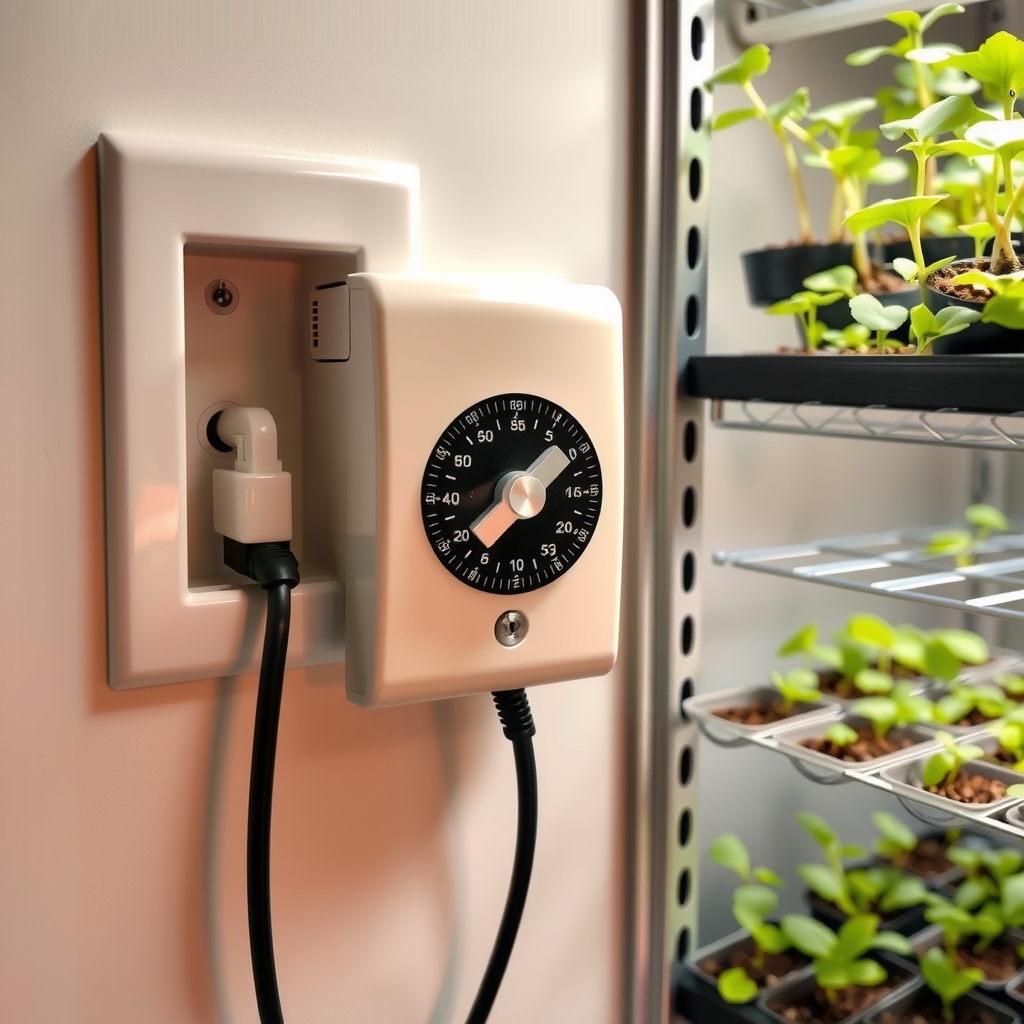
Illustrative image (AI-generated), not the exact product.
A simple timer that switches grow lights on and off at the same time every day, so seedlings get steady light without you remembering.
Conclusion
To start seeds in Illinois, use the Illinois Extension calendar for central Illinois and shift it two weeks later in the north or two weeks earlier in the south. Onions and celery go in first in February, tomatoes and peppers in mid to late March, and cucurbits in late April. Give seedlings strong light, harden them off, and plant tender crops about two weeks after your average last frost.
FAQs
When should I start tomato seeds in Illinois?
Mid to late March in central Illinois, about two weeks later in northern Illinois and two weeks earlier in southern Illinois. Illinois Extension’s example: start between March 20 and April 3 to plant around May 15 in central Illinois.
When is the last frost in Illinois?
Illinois Extension lists median last 32°F freeze dates of April 1 to 8 in southern Illinois, April 8 to 15 in central Illinois and April 8 to 29 in northern Illinois.
When should I start pepper seeds in Illinois?
Mid to late March in central Illinois, along with tomatoes and basil. Peppers sprout best with bottom heat.
When can I plant tomatoes outside in Illinois?
About two weeks after your average last frost: around mid-May (after Mother’s Day) in central Illinois, mid to late May in the north, and late April to early May in the south.
When should I start seeds in Chicago?
Northern Illinois gardeners should start about two weeks later than the central Illinois calendar: tomatoes and peppers around early April, cucurbits in early May.
Do I need grow lights to start seeds?
They are strongly recommended. Late-winter window light is rarely enough, and seedlings grown without lights tend to stretch and weaken.
Sources and review scope
This guide was prepared on October 29, 2026 from the following sources and from the product listings on Amazon.com. Homingwell did not perform hands-on testing.
- University of Illinois Extension – When should I start my seeds?
- University of Illinois Extension – When to plant (regional frost dates)
- University of Illinois Extension – Starting seeds indoors
- Illinois State Climatologist – Spring frost in Illinois
Explore more Lawn & Garden guides.