
Lawn & Garden • Winter Care • Updated October 29, 2026
How to Protect Shrubs in an Iowa Winter
Explore related guides: Gardening in Iowa: all guides · Fall garden cleanup · Winterize raised beds · Pet-safe ice melt · Overwinter geraniums · When to prune fruit trees in Iowa.
Every spring, Iowa gardeners find the same surprises: arborvitae browned on the west side, burning bush chewed to the snow line, and yews split open by heavy snow. Most of that damage can be prevented in a weekend in November. Here is how to protect shrubs in winter from rabbits, deer, winter burn, snow and salt, based on Iowa State University Extension advice, plus six supplies sold by Amazon.com.

The short answer
Water shrubs well until the ground freezes, especially evergreens planted in the last two or three years. By early to mid-November, put 24 to 36 inch hardware cloth or chicken wire around rabbit favorites and pin it to the ground. Shield exposed evergreens from drying winds with a burlap screen on stakes, and consider an anti-transpirant spray. Brush heavy snow off gently, keep salty snow off beds, and check plants after every big storm.
What damages shrubs in an Iowa winter
| Problem | What you see in spring | Main fix |
|---|---|---|
| Rabbits | Bark chewed off stems near the snow line | 24 to 36 inch wire fence, pinned down |
| Deer | Foliage stripped from lower branches of arborvitae and pines | Wraps or wire cylinders at least 6 feet tall |
| Winter burn | Brown needles or leaves, often on the windy or sunny side | Fall watering, burlap screen, anti-transpirant |
| Snow and ice | Split or bent branches | Brush snow off gently; tie upright shrubs |
| Salt | Browning on the side facing a road or walk | Keep salty snow off; use gentler ice melt |
How to protect shrubs in winter, step by step
- Water deeply until the ground freezes. ISU Extension says all perennials, shrubs and conifers should be watered regularly in fall, and it matters most for evergreens planted in the last two or three years.
- Mulch the root zone with 2 to 4 inches of shredded bark or wood chips, kept a few inches away from stems.
- Fence rabbit favorites by early to mid-November with 24 to 36 inch hardware cloth or chicken wire, pinned to the soil.
- Screen exposed evergreens on the windward side with burlap stretched between stakes. Leave a gap so air can move.
- Spray an anti-transpirant on broadleaf evergreens such as boxwood and rhododendron, following the label.
- Tie upright evergreens like arborvitae loosely with soft twine so heavy snow cannot split them.
- Check after storms: brush snow off, look for chew marks, and pull snow away from fences rabbits could climb.
Protecting shrubs from rabbits and deer
ISU Extension horticulturist Aaron Steil says the best way to prevent animal damage is a physical barrier. For rabbits, wrap chicken wire or hardware cloth fencing at least 24 to 36 inches tall around the base of the plant and pin it to the soil with U-shaped anchor pins so rabbits cannot crawl under. The fence must stay taller than the snow, so after a heavy snowfall, check that rabbits cannot reach over it.
Rabbits often target crabapple, apple, pear, redbud, honey locust, serviceberry, burning bush, flowering quince, barberry, roses and raspberries, plus small evergreens, especially pines. Repellents can help but often need reapplying after rain or snow.
For deer, ISU recommends wraps, tubes, wire fencing or wire cylinders at least 6 feet tall, which work best on smaller, younger plants.
Preventing winter burn on evergreens
Evergreens keep losing water through their needles and leaves all winter, but they cannot pull water from frozen soil. Wind and bright sun make it worse, and the result is browned foliage in spring. Three things help: deep watering before freeze-up, a burlap screen on the windy or sunny side, and an anti-transpirant spray. ISU notes that these sprays form a thin film that reduces water loss but break down over time, so they may need reapplying during winter.
Do not panic if small evergreens get buried in snow. ISU says snow will not suffocate them and actually insulates them from drying winds; just watch for rabbit browsing as the snow melts.
Snow, ice and salt
Brush heavy, wet snow off shrubs with an upward sweep of a broom to lighten the load, but let ice melt on its own, since breaking it off often breaks the branches too. Do not pile salty snow from the driveway onto beds, and choose a gentler product for walks near plants. See our pet-safe ice melt guide.
Supplies to protect shrubs in winter
All six were listed as sold by Amazon.com at the time of writing. Check the current listing before you buy.
For rabbit fences: VEVOR Hardware Cloth, 1/4 inch, 36 in x 50 ft
Product pick
VEVOR Hardware Cloth, 1/4 inch, 36 in x 50 ft, Galvanized
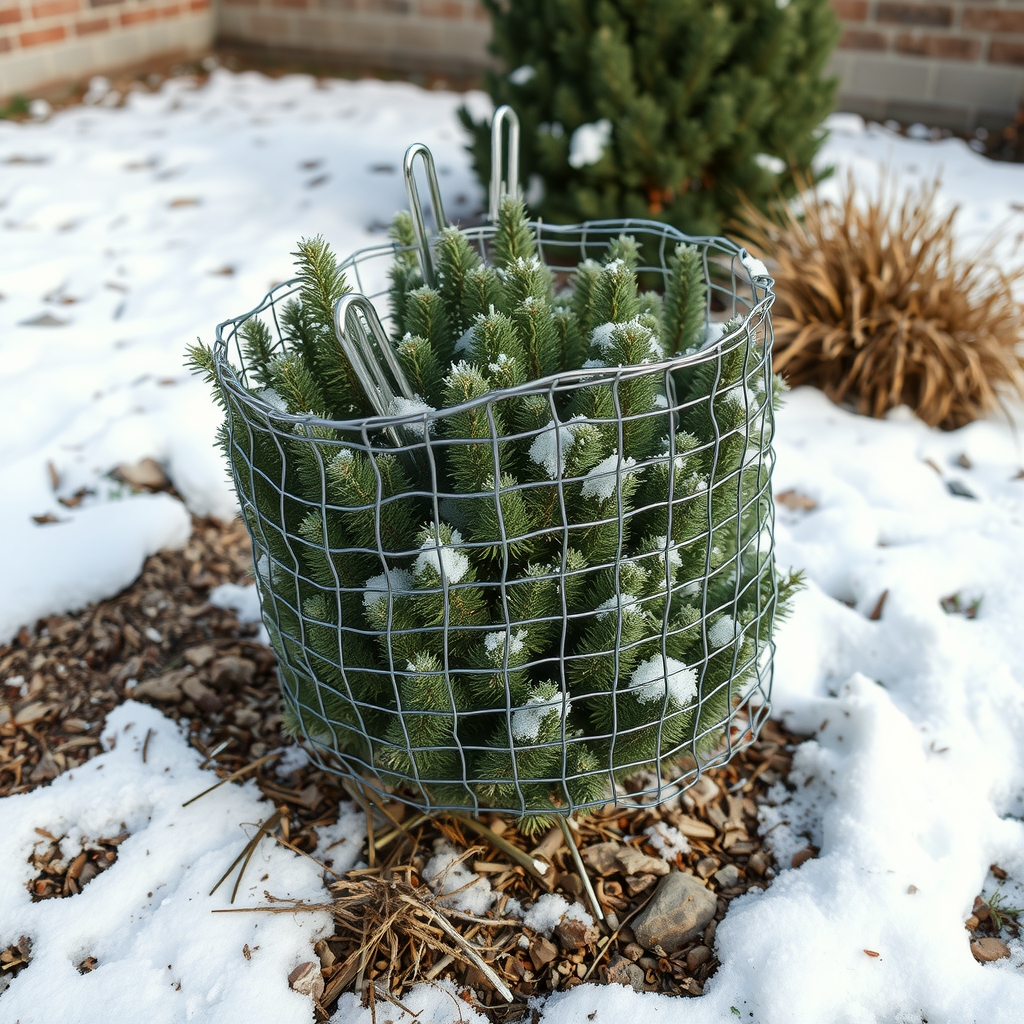
Illustrative image (AI-generated), not the exact product.
A 36-inch-tall roll matches the top of ISU’s 24 to 36 inch recommendation, so the fence stays above most snow. The 1/4-inch welded mesh is hot-dip galvanized to resist rust, and 50 feet is enough to circle several shrubs. Wear gloves when cutting; the edges are sharp.
To pin fences down: Fabric and Garden Staples, 6 x 1 inch, 11 Gauge
Product pick
Fabric and Garden Staples, Commercial Grade, 6 x 1 in, 11 Gauge

Illustrative image (AI-generated), not the exact product.
These are the U-shaped anchor pins ISU mentions for stopping rabbits from slipping under a fence. The steel staples also hold down burlap, netting and soaker hoses. Push them in before the ground freezes.
For windbreaks: Burlap Plant Cover and Landscape Fabric, 40 in x 12 ft
Product pick
Burlap Plant Cover and Landscape Fabric, 40 in x 12 ft Roll
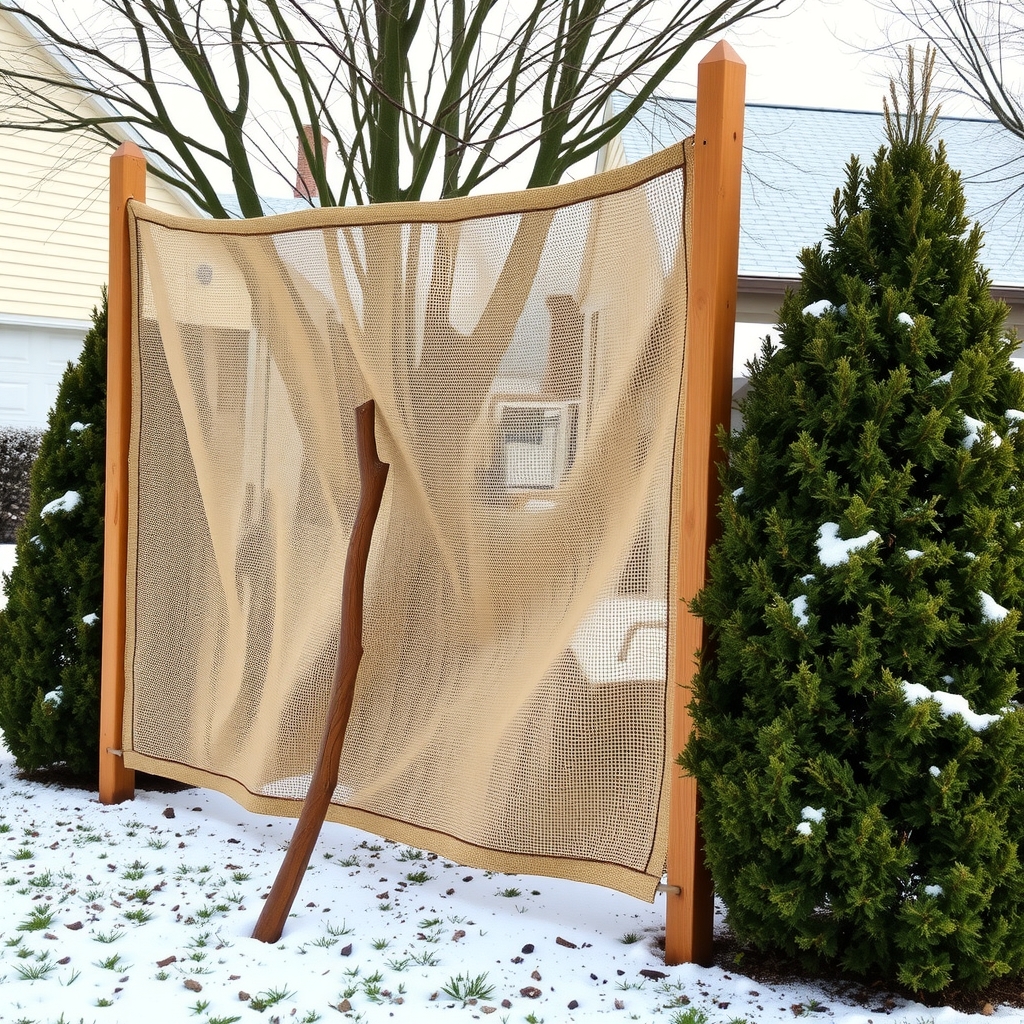
Illustrative image (AI-generated), not the exact product.
Natural, breathable burlap for the classic ISU windbreak: staple it between wooden stakes on the windy or sunny side of young evergreens. Unlike plastic, it lets air and moisture through, so it will not cook plants on sunny days. A 12-foot roll covers two or three small shrubs.
Anti-transpirant: Bonide Wilt Stop, 40 oz Ready-to-Use
Product pick
Bonide Wilt Stop Anti-Transpirant, 40 oz Ready-to-Use Spray
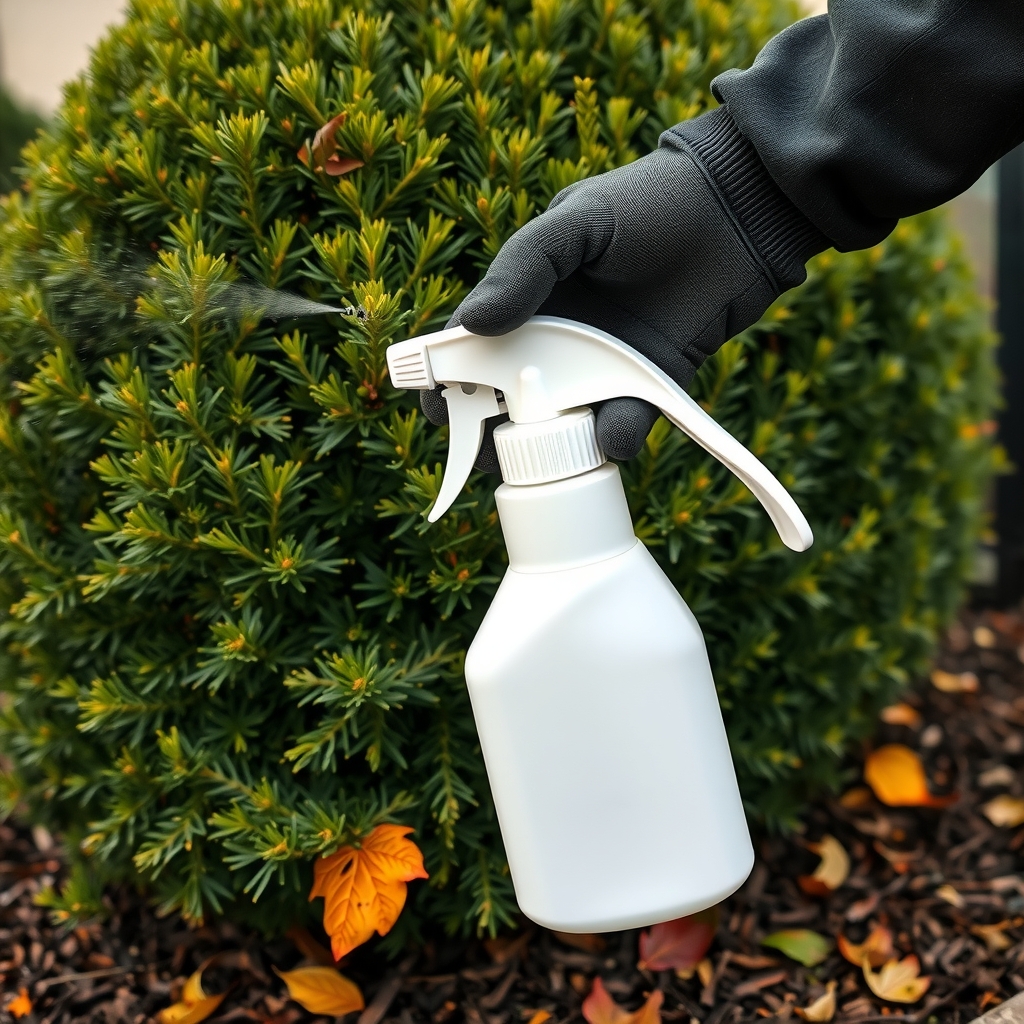
Illustrative image (AI-generated), not the exact product.
A ready-to-spray anti-transpirant that forms a soft, clear film to slow moisture loss, which is the main cause of winter burn on boxwood, rhododendron, holly and young conifers. Spray on a dry day above freezing. ISU notes these films break down over time, so check the label and reapply during a winter thaw if needed.
For young trunks: Dimex EasyFlex Plastic Tree Trunk Protectors, 6 Pack
Product pick
Dimex EasyFlex Plastic Tree Trunk Protectors, 6 Count

Illustrative image (AI-generated), not the exact product.
Coil-style guards for small trees and tree-form shrubs such as crabapples and lilac standards. Each 9-inch guard wraps a trunk up to about 4 inches across and can be linked for larger trunks. They help against rodents and mower damage; for rabbits in deep snow, add a taller wire fence as well.
For cold snaps: Amazon Basics Plant Covers for Frost Protection, 10 x 30 ft
Product pick
Amazon Basics Plant Covers for Frost Protection, 10 x 30 ft
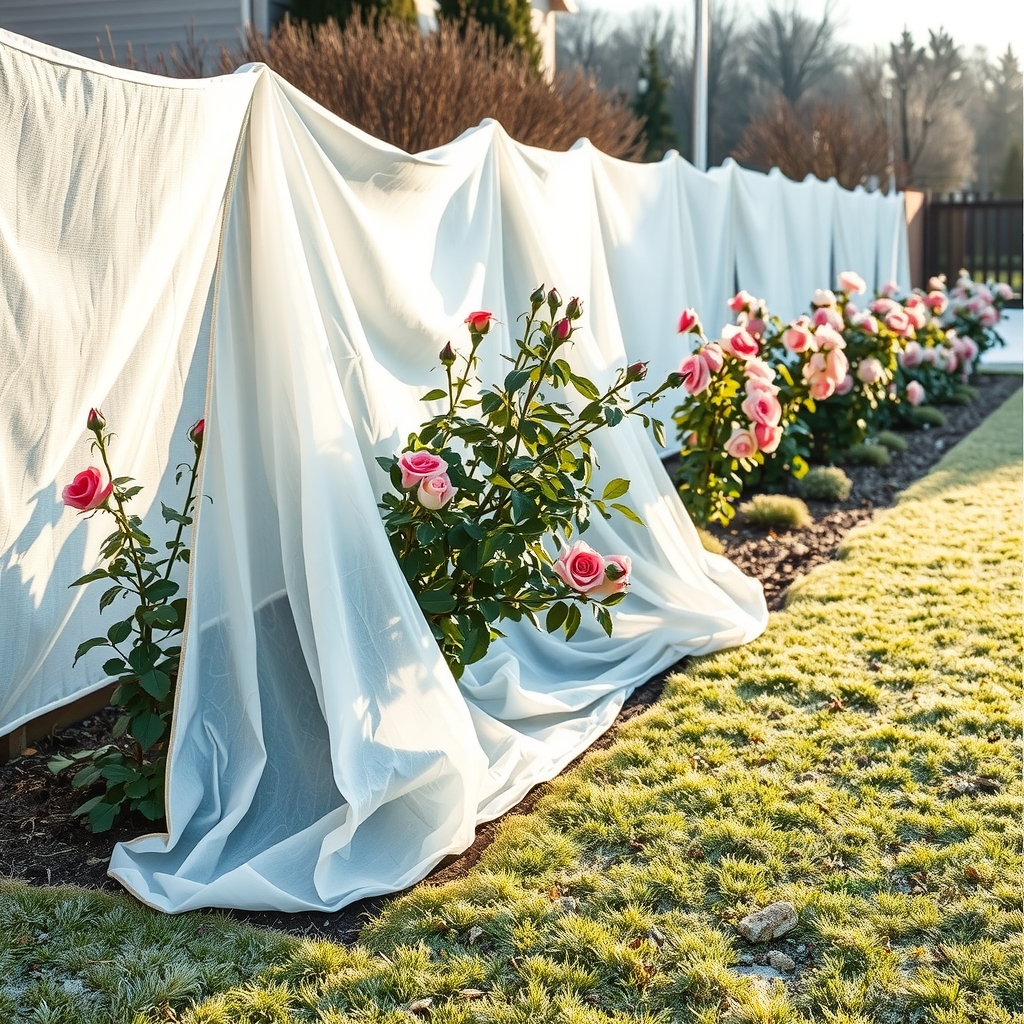
Illustrative image (AI-generated), not the exact product.
A big, breathable frost cloth for sudden early or late cold snaps on roses, hydrangeas and newly planted shrubs. It is designed for light frost and mild cold, not deep winter, so use it in October, November, April and May, and remove it on warm days.
Conclusion
Protecting shrubs in an Iowa winter comes down to a short November checklist: water deeply, mulch, fence rabbit favorites with 24 to 36 inch wire, screen exposed evergreens with burlap, and keep salt and heavy snow off. A few hours now saves replacing plants in spring.
FAQs
When should I protect shrubs for winter in Iowa?
Have rabbit fencing and other protection in place by early to mid-November, and keep watering until the ground freezes.
Should I wrap my shrubs in burlap?
A burlap screen on stakes on the windward side works well for exposed evergreens. If you wrap a shrub directly, keep it loose, never use plastic, and remove it in spring.
How tall should a rabbit fence be?
Iowa State University Extension recommends chicken wire or hardware cloth at least 24 to 36 inches tall, pinned to the soil so rabbits cannot crawl under it.
Do anti-desiccant sprays work?
They can reduce moisture loss and winter burn on evergreens, but the film breaks down over time and may need reapplying during winter.
Should I remove snow from evergreens?
Brush off heavy, wet snow gently to prevent breakage, but let ice melt on its own. Light snow cover actually insulates small evergreens.
Which shrubs do rabbits eat in winter?
Common targets include burning bush, roses, barberry, flowering quince, serviceberry, raspberries and small pines, plus young crabapple, apple and pear trees.
Sources and review scope
This guide was prepared on October 29, 2026 from the following sources and from the product listings on Amazon.com. Homingwell did not perform hands-on testing. Sellers were checked on Amazon.com on the same date.
- Iowa State University Extension – Protect trees and shrubs from winter damage
- ISU Extension (via Washington Evening Journal) – Protect trees and shrubs from rabbits
- ISU Extension (via The Gazette) – Help plants weather winter
- The Gazette – Preventing winter burn on evergreens
- ISU Yard and Garden (via Farms.com) – Caring for shrubs and trees in snow
Explore more Lawn & Garden buying guides.