
Lawn & Garden • Seed Starting • Updated October 29, 2026
Best Seed Starting Kits for Beginners: 6 Easy Picks
Explore related guides: Gardening in Iowa: all guides · When to start seeds in Iowa · When to plant tomatoes · Raised beds for Iowa · Grow lights for seedlings.
Starting your own tomatoes, peppers and flowers indoors is cheaper than buying transplants and lets you grow varieties garden centers never carry. The right seed starting kit for beginners takes the guesswork out of containers, watering and humidity. This guide explains what a kit needs, the light and heat seedlings want, when to start in Iowa and the Midwest, and six picks sold by Amazon.com.
The short answer
For most beginners, a reusable cell tray with a watering tray and a clear humidity dome is all the “kit” you need, plus a bag of soilless seed starting mix. What makes the real difference is light and warmth: a simple LED grow light kept a few inches above the seedlings for 14 to 16 hours a day, and a heat mat to hold the mix near 70 to 75°F for peppers and tomatoes. In Iowa, most warm-season crops are started indoors in March and April.
What a seed starting kit for beginners should include
| Item | Why it matters |
|---|---|
| Cell tray or pellets | Gives each seedling its own space so roots do not tangle |
| Watering tray | Lets you water from below, which keeps seeds in place |
| Humidity dome | Holds moisture until seeds sprout; remove it after |
| Soilless seed starting mix | Light, porous and free of disease, unlike garden soil |
| Grow light | Windows are too dim in late winter; seedlings stretch |
| Heat mat | Speeds germination for warm-season crops |
Iowa State University Extension recommends a lightweight, porous, disease-free commercial soilless mix for starting seeds, and says almost any clean container works as long as it has drainage holes. If you reuse trays, wash them in soapy water and disinfect them in 1 part bleach to 9 parts water.
Light and heat: the two things kits often leave out
- Light. Seedlings on a windowsill usually turn tall and spindly because winter light is weak and one-sided. Keep a grow light about 2 to 4 inches above the seedlings, raise it as they grow, and run it 14 to 16 hours a day on a timer.
- Heat for germination. ISU Extension notes that most vegetable seeds germinate best when the mix is 70 to 75°F. In a cool basement, a heat mat under the tray makes a big difference for tomatoes, peppers and eggplant.
- Air. A small fan on low strengthens stems and helps prevent damping-off, a disease that makes seedlings collapse at the soil line.
When to start seeds in Iowa and the Midwest
ISU Extension horticulturist Aaron Steil warns that seedlings started too early become lanky and transplant poorly. Check the seed packet for the weeks of indoor growth, then count back from your planting date. In much of Iowa, frost-tender vegetables and flowers go outside from late April to early May, and cool-season crops in early to mid-April.
See our seed starting calendar for Iowa for crop-by-crop dates, and when to plant tomatoes in Iowa for transplanting.
How to use a seed starting kit, step by step
- Moisten the mix before filling the cells, until it feels like a wrung-out sponge.
- Sow at the depth on the packet, usually two or three seeds per cell, and label each row.
- Cover with the dome and set the tray on a heat mat until seeds sprout.
- Remove the dome and turn on the light as soon as most seeds are up.
- Water from below and let the surface dry slightly between waterings to avoid damping-off.
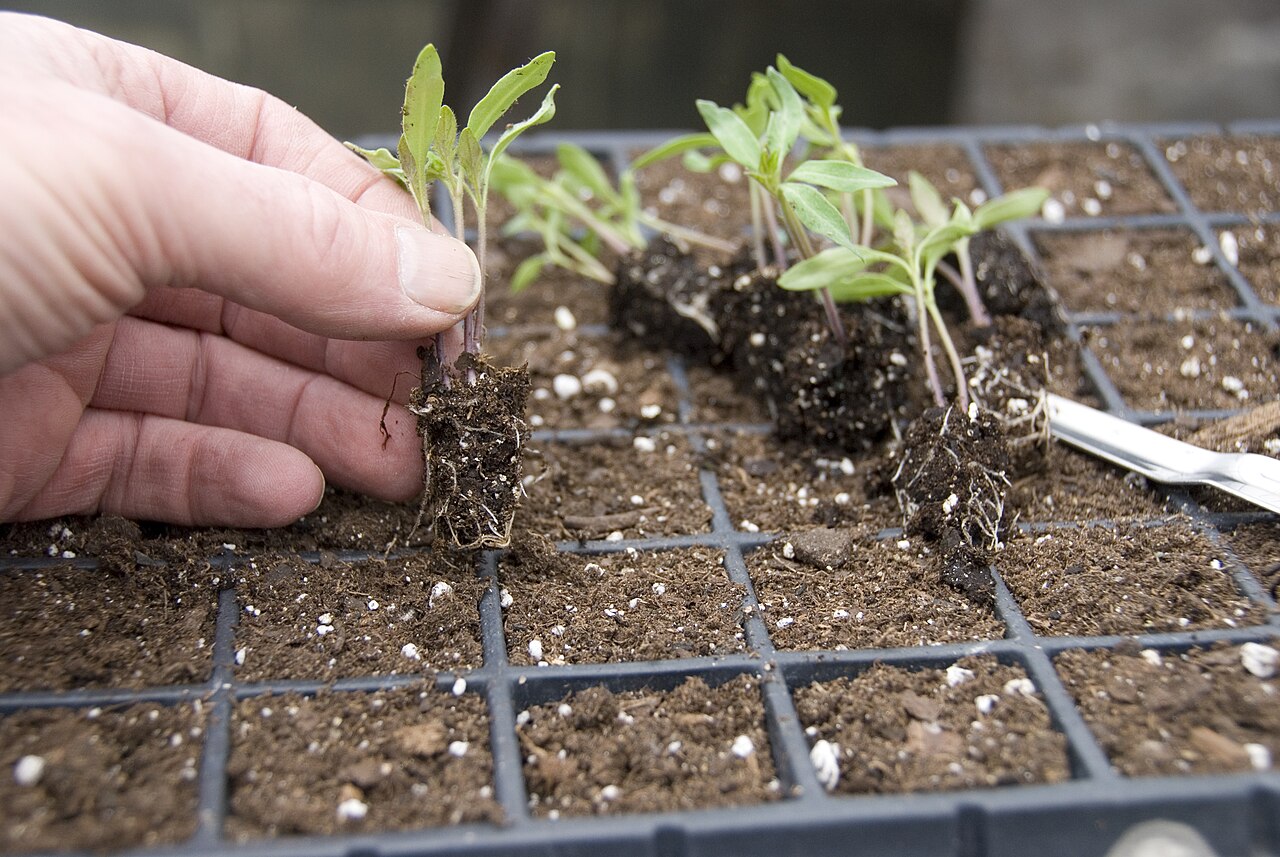
- Thin to one seedling per cell by snipping extras, and move them to bigger pots when the second set of true leaves appears.
- Harden off for one to two weeks before planting outside, giving seedlings a little more time outdoors each day.
Best seed starting kits and supplies for beginners
All six were listed as sold by Amazon.com at the time of writing. Check the current listing before you buy.
Best overall: Burpee SuperSeed 36-Cell Reusable Seed Starting Tray
Product pick
Burpee SuperSeed 36-Cell Reusable Seed Starting Tray

Illustrative image (AI-generated), not the exact product.
The flexible, food-grade silicone cells pop seedlings out with their root ball intact, which is the step beginners most often struggle with. Molded slots in each cell improve drainage, deep channels in the watering tray pull extra water away from the roots, and the whole set is reusable and dishwasher safe. Add your own seed starting mix and a dome or plastic wrap to hold moisture until seeds sprout.
Easiest start: Jiffy T14H Peat Pellet Seed Starter Kit
Product pick
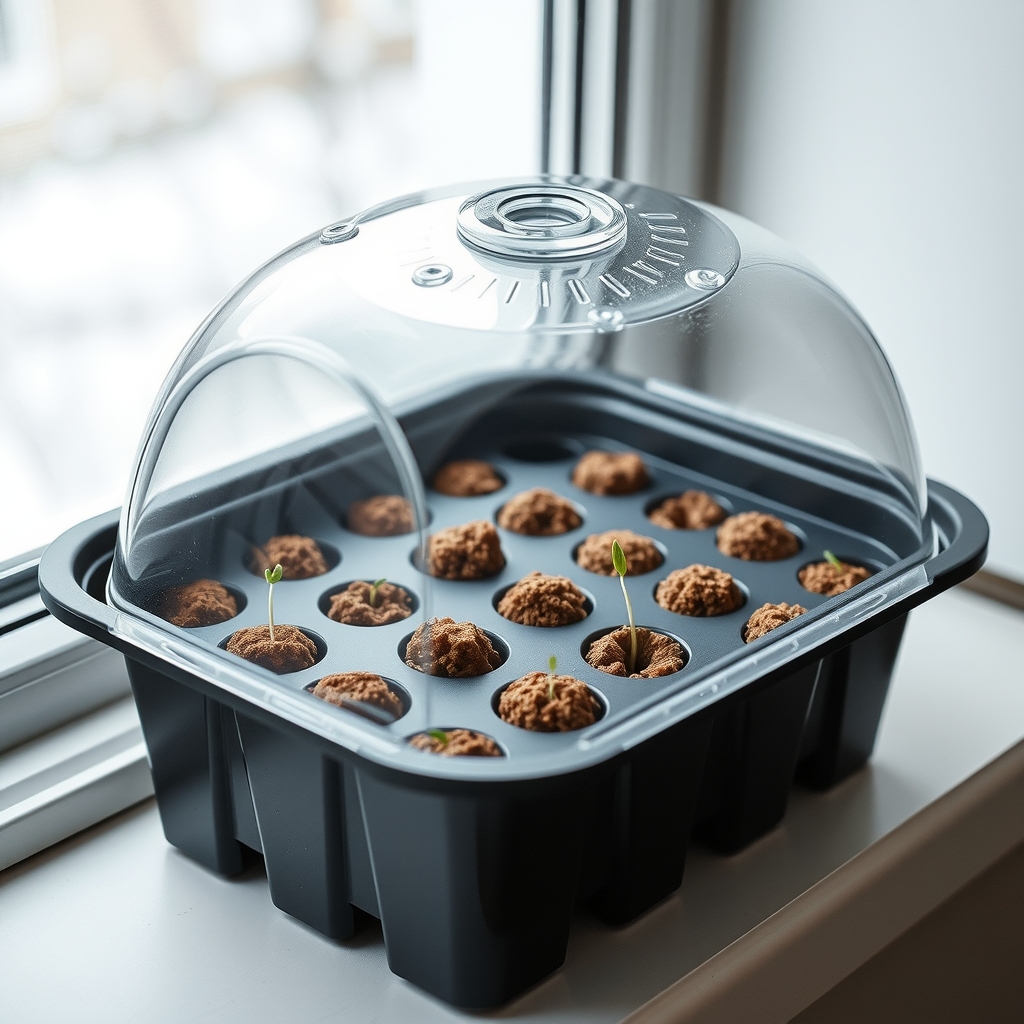
Jiffy T14H Seed Starter Kit with 14 Peat Pellets
Illustrative image (AI-generated), not the exact product.
No mix, no mess: add water and the 14 compressed peat pellets swell into ready-to-plant cells. The kit includes a watertight base, a water-wicking tray and a clear greenhouse dome, and the large 50 mm pellets suit tomatoes and peppers. You plant the whole pellet later, so there is no transplant shock. It is small, so it is best for a first try or a few favorite varieties.
For small spaces: Burpee SuperSeed Windowsill 8 XL-Cell Tray
Product pick
Burpee SuperSeed Windowsill Seed Starting Tray, 8 XL Cells

Illustrative image (AI-generated), not the exact product.
Eight extra-large pop-out silicone cells fit on a windowsill or under a small clip light, and the big cells give tomatoes and peppers more root room before transplanting. It uses the same drainage and watering system as the 36-cell tray. A good pick for apartments or for growing just a few plants.
For any tray: Mountain Valley Seed Co. Clear Humidity Domes, 5-Pack
Product pick
Mountain Valley Seed Co. Clear Plastic Humidity Domes, 5-Pack

Illustrative image (AI-generated), not the exact product.
A dome holds moisture around the seeds until they sprout, then comes off. These five reusable 2-inch-tall domes fit standard 10 by 20 inch trays, so you can turn plain cell flats into a full kit or replace a cracked lid. Lift them a crack once sprouts appear to let in air.
For faster germination: Hydrofarm Jump Start Seedling Heat Mat
Product pick
Hydrofarm Jump Start Seedling Heat Mat, 17 Watt

Illustrative image (AI-generated), not the exact product.
This waterproof mat fits under a standard tray and warms the root zone about 10 to 20°F above room temperature, which helps tomatoes and peppers sprout faster in a cool Midwest basement. The maker recommends pairing it with its JumpStart digital thermostat so the mix stays near 70 to 75°F instead of overheating.
For light: LEOTER Clip-On LED Grow Light
Product pick
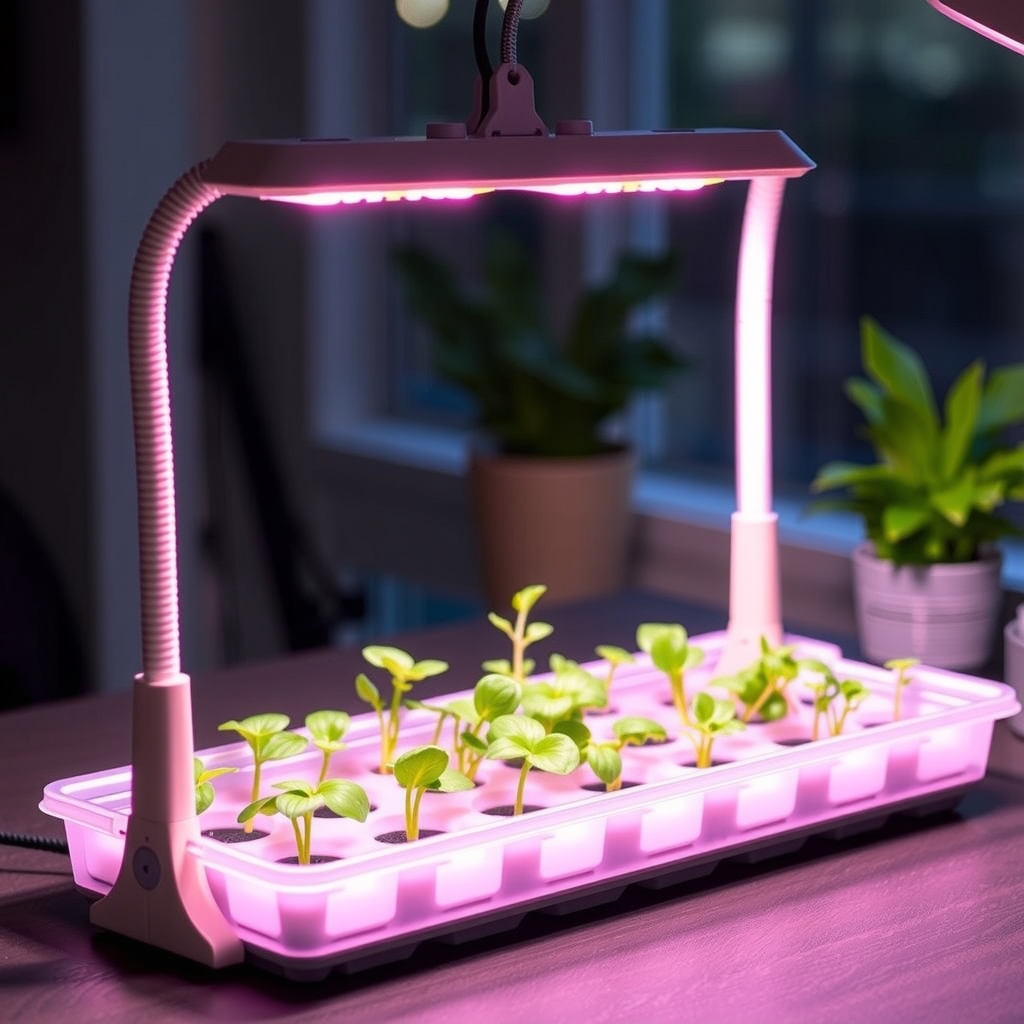
LEOTER 80-LED Clip-On Grow Light with Timer
Illustrative image (AI-generated), not the exact product.
Four adjustable gooseneck heads with 80 LEDs clip onto a shelf or table edge and bend down close to small trays. A built-in timer and 10 brightness levels make the 14-to-16-hour schedule automatic. It is best for one or two small trays; for a full 10 by 20 flat, a hanging LED shop light covers the tray more evenly.
Conclusion
The best seed starting kit for beginners is a simple one: clean cells or pellets, a watering tray, a dome and a good soilless mix. Add a grow light and a heat mat and your seedlings will be short, sturdy and ready for the garden. In Iowa, plan to sow most warm-season crops indoors in March and April so they are ready to plant out in late April to May.
FAQs
What do I need to start seeds indoors?
Clean containers with drainage holes, a soilless seed starting mix, seeds, a tray to water from below, a dome or plastic cover, and a light. A heat mat helps warm-season crops sprout faster.
Do I need a grow light to start seeds?
Usually yes. Late-winter window light is too weak and one-sided, so seedlings stretch and flop. A grow light 2 to 4 inches above the plants for 14 to 16 hours a day grows stocky transplants.
When should I start seeds indoors in Iowa?
Count back from your planting date using the weeks listed on the seed packet. Most frost-tender crops are planted outside in Iowa from late April to early May, so tomatoes and peppers are usually started indoors in March.
Can I use garden soil to start seeds?
No. Garden soil is heavy, compacts easily and can carry diseases and weed seeds. Use a commercial soilless seed starting mix, which is light, porous and disease-free.
Do seeds need a heat mat?
Not all seeds, but most vegetables germinate best at 70 to 75°F. A heat mat is especially useful for tomatoes, peppers and eggplant in a cool basement.
Why are my seedlings tall and thin?
They are reaching for light. Lower the grow light to a few inches above the leaves, run it 14 to 16 hours a day, and avoid starting seeds too early.
Sources and review scope
This guide was prepared on October 29, 2026 from the following sources and from the product listings on Amazon.com. Homingwell did not perform hands-on testing. Sellers were checked on Amazon.com on the same date.
- Iowa State University Extension (via High Plains Journal) – How to successfully start seeds indoors
- Iowa State University Extension – Start seeds with the right supplies
- Diagnosing problems when growing transplants indoors (damping-off)
- Missouri Botanical Garden – Starting seedlings under lights
- Master Gardeners – What do I need to start seeds indoors?
Explore more Lawn & Garden buying guides.