
Pet Products · Practical buying guide
Self-Warming vs Heated Cat Bed: 5 Essential Checks Before You Buy
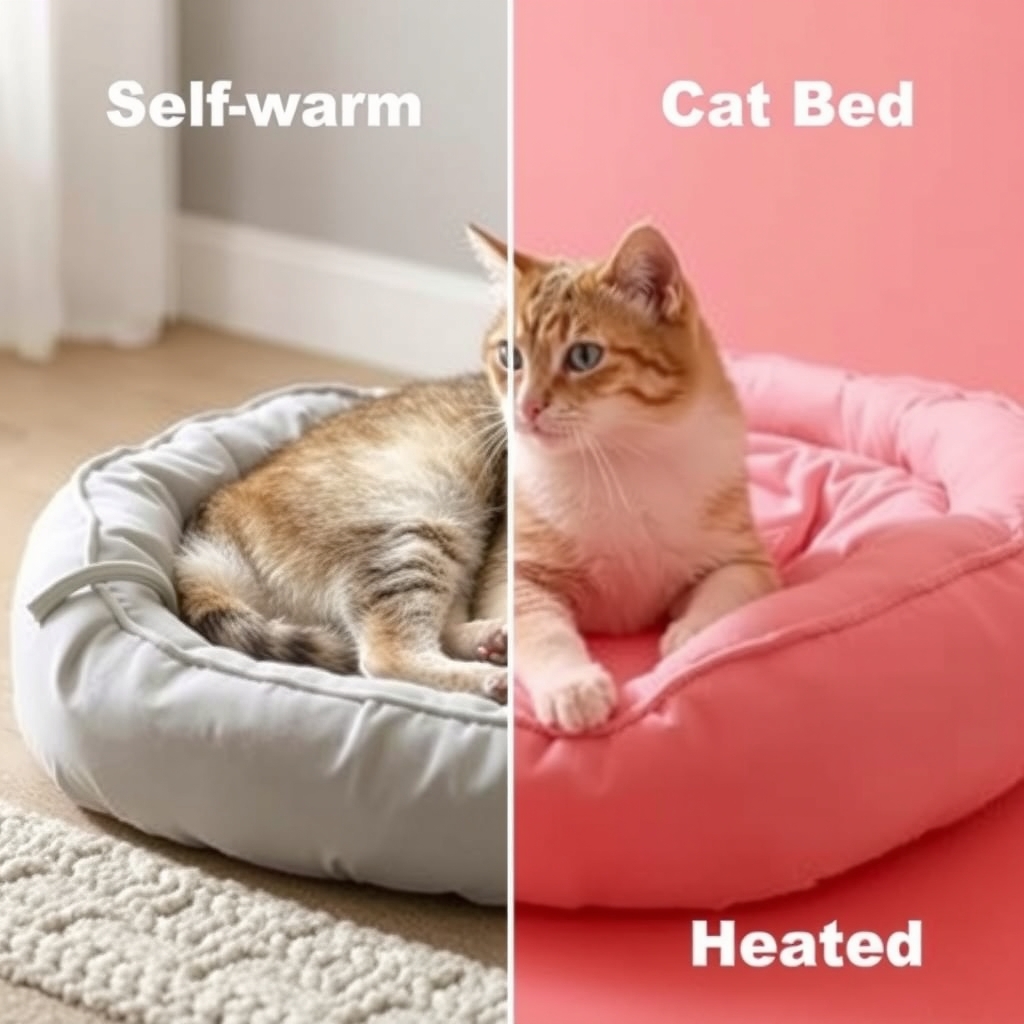
Choosing between a self-warming vs heated cat bed mostly comes down to three things: the room, your cat and the cord. A self-warming bed has no power supply and relies on materials that hold or reflect warmth. A heated bed needs an outlet and a design you can trust around a curious cat. Neither is automatically better, so use these five simple checks to compare where the bed will sit, how your cat uses it and what you are comfortable plugging in.
Quick verdict · Research assessment
Self-warming vs heated cat bed: our buying verdict
Shortlist a self-warming bed for a mild, draft-free room where your cat already likes to nap. Look at a heated bed when the room stays cold, when your cat is older or has health needs a vet has discussed, and when you can keep the cord out of reach. If you are unsure, start with the simpler option and reassess when the weather turns colder.
Check 1: Start with the room and your cat
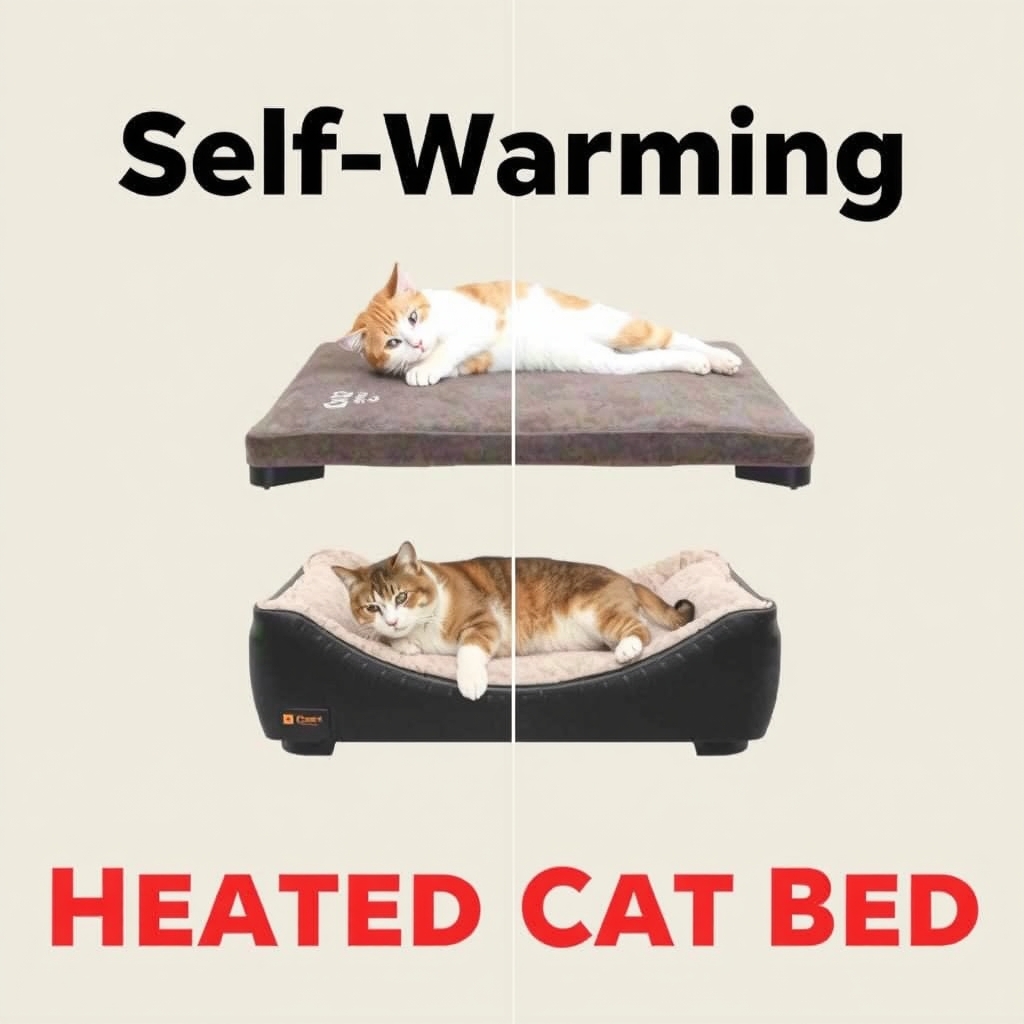
Before choosing a self-warming vs heated cat bed, watch where your cat sleeps now. A cat that picks a sunny sill or a laundry pile is already telling you what it values. Note the room temperature at night, whether the floor feels cold and whether the spot is near a door or window.
Then think about the cat. Kittens, seniors and cats with medical conditions can have different warmth needs, and a vet is the right person to ask about those. For a healthy adult in a comfortable room, a simple bed with a thick, soft surface may be enough.
Self-warming vs heated cat bed: the main differences
| Check | Self-warming bed | Heated bed |
|---|---|---|
| Power | No outlet. Listings describe materials that retain or reflect body warmth. | Needs an outlet or compatible power source. |
| Cord | None to manage. | Check cord length, protection and routing. |
| Cold rooms | Depends on your cat’s own warmth, so check how the maker describes it. | May suit colder spaces, subject to the maker’s instructions. |
| Cleaning | Check whether the cover or pad is washable. | Check what can be washed and how to disconnect it first. |
| Best questions to ask | Is the pad thick enough and sized for my cat? | Are the safety features and instructions clear for my cat? |
Check 2: Safety before choosing a heated cat bed
If you are weighing a heated cat bed vs self-warming design, safety checks matter most for the heated one. Read the product page and the manual for the exact model. Look for a clear description of the heating method, any thermostat or automatic shut-off the maker states, and the recommended way to use it.
Check the cord. Cats can chew or tug, so look at how the cord is protected and where it will run. Keep it out of walkways and away from places a cat could get tangled. Do not use a human heating pad as a substitute unless the maker states it is intended for pets. Stop use and contact the seller if you see damage, and ask your vet if your cat has health conditions that affect heat exposure.
Check 3: Size, placement and drafts
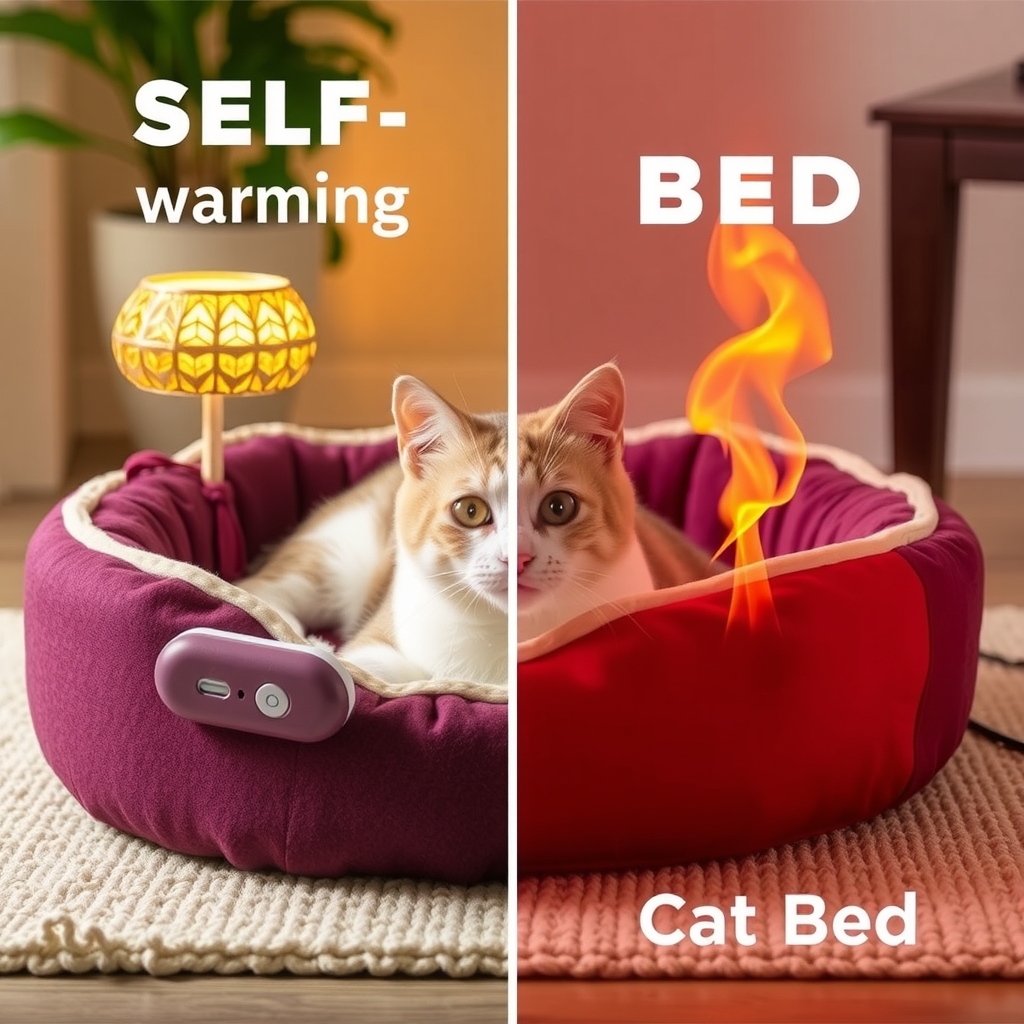
Whichever side of the self-warming vs heated cat bed choice you favor, measure your cat in its usual sleeping position, curled and stretched, and compare it with the bed’s listed dimensions. A bed that is too small may not get used. One that is much too large may feel less snug. Check whether the listing gives the usable sleeping area, not just the outer size.
Place the bed away from drafts and exterior doors. For a cat bed for cold rooms such as a sunroom or basement, remember that a bed alone cannot fix a very cold space. Raising the bed off a cold floor, or putting it on a stable shelf, may help; check that the surface is safe for your cat.
Check 4: Cleaning and daily care
Pet bedding collects hair and dirt. Before buying either a self-warming vs heated cat bed, look at the care label for each model: can the cover be removed, can it go in a washing machine, and what temperature or drying method does the maker allow? For a heated bed, check how to disconnect and dry the unit before washing.
Plan a simple routine. Shake out loose hair, wash covers on the maker’s schedule and inspect the bed for wear. If a pad flattens or a cover frays, replace it rather than trying to repair it in a way the maker does not support.
Check 5: Think about the full cost
A heated bed adds an outlet, a cord and ongoing electricity, while a self-warming pad does not. We have not calculated running costs, because they depend on the model and your local rates. When you compare a self-warming vs heated cat bed, look at the full purchase: the bed, any spare covers, cord protection if you need it and how often you expect to replace it.
Avoid paying extra for a promise you cannot check. If a listing makes a strong claim about warmth, look for the specific details behind it and treat the rest as a seller statement.
Considering a self-warming pad?
Our K&H self-warming cat pad assessment covers one identified self-warming pad, its published details and buying limits. Read those checks before opening the product link. We have not reviewed a heated bed on this site.
Check the K&H pad on Amazon →Read the K&H buying checks
Amazon link is an affiliate link: as an Amazon Associate I earn from qualifying purchases, at no extra cost to you. Check the current price, size and details on Amazon before buying.
Common questions: self-warming vs heated cat bed
Is a heated cat bed safe to leave on all day?
Follow the maker’s instructions for the exact model. We do not claim any bed is safe for every cat or every situation. Ask your vet if your cat has health conditions.
Does a self-warming bed make heat on its own?
Check how the listing describes it. These designs are generally described as holding or reflecting your cat’s own warmth, so results depend on the cat and the room. We have not tested the effect.
Which suits a senior cat?
Ask your vet. Comfort, access and joint needs vary, so the right choice depends on your cat. For general pet-care guidance, see AVMA resources for pet owners.