Category: Pet Products

Thoughtful reviews and buying guides for products pets and owners love.

  • Best Pet-Safe Ice Melt for Walks and Gardens

    Best Pet-Safe Ice Melt for Walks and Gardens

    Skip to content

    Lawn & Garden • Pets • Updated October 28, 2026

    Best Pet-Safe Ice Melt for Walks and Gardens

    Explore related guides: Gardening in Iowa: all guides · Solar lights for cold climates · Winterize raised beds · Garden tool storage · Best snow shovels.

    Rock salt keeps steps from turning into ice rinks, but it is hard on dogs’ paws and the lawn and shrubs along your walk. The best pet-safe ice melt is one that uses gentler ingredients, still works in a Midwest cold snap, and goes down in thin layers. This guide explains what is actually in ice melt, what “pet safe” really means, how to protect paws and plants, and six products sold by Amazon.com that help.

    Dog walking on a snowy path, choosing the best pet-safe ice melt
    Winter walks mean salty paws. Photo: Billie Grace Ward, CC BY 2.0, via Wikimedia Commons.

    The short answer

    No ice melt is completely harmless to pets. Pet Poison Helpline says every type can cause problems if a pet eats enough. “Pet-friendly” products, usually based on urea or magnesium chloride, are less likely to cause serious harm than rock salt or calcium chloride. For an Iowa or Midwest winter, a magnesium chloride melter with the EPA Safer Choice label is a good balance of gentleness and cold-weather performance. Shovel first, use a thin scatter, and wipe your dog’s paws after every walk.

    Ice melt ingredients compared

    Common ice melt ingredients: pets, plants and lowest working temperature
    IngredientPets (Pet Poison Helpline)Plants and lawnWorks to about
    Sodium chloride (rock salt)Large amounts can cause dangerous sodium poisoningDamages soil, plants and metal12°F
    Calcium chlorideMost irritating to mouth, stomach and pawsUsually fine in small amounts; can harm roots-25°F
    Potassium chlorideStrong stomach irritantCan injure foliage and roots25°F
    Magnesium chlorideStomach upset; serious problems unlikelyGentler if used as directedAbout 5°F
    UreaUsually the “pet safe” choice; drooling and mild upsetCan add nitrates to water21°F
    Calcium magnesium acetate (CMA)Calcium salt, can irritateLittle effect on plants or concrete20°F

    Temperatures are typical figures from extension sources and vary by product; follow the rating on the label.

    What “pet safe” really means on the label

    “Pet safe” and “pet friendly” are marketing terms. No agency regulates them, so a product can carry the words and still contain salts that irritate paws. Two things are more useful:

    • The ingredient list. Look for magnesium chloride, urea or CMA, and avoid products that are mostly rock salt or calcium chloride if your dog licks its feet.
    • The EPA Safer Choice label. Ice melts with this label have had every ingredient screened by the EPA. Trade reports note the standard also requires the product to work below 0°F and to cut sodium and chloride by at least 30 percent.

    How to protect your dog’s paws

    1. Use less. Shovel or push the snow first, then scatter a thin layer only where people walk.
    2. Wipe paws after every walk, including between the toes, so your dog does not lick off salt from your walk or the neighbors’.
    3. Moisturize dry pads with a paw balm, and consider dog boots for long walks on salted sidewalks.
    4. Store the bag high and sealed. The serious poisonings usually happen when a dog gets into the bag, not from walking on a treated step.
    5. Know the signs. Vomiting, drooling, diarrhea, weakness or tremors after contact with ice melt mean it is time to call for help.

    If your pet eats ice melt, call your veterinarian, the ASPCA Animal Poison Control Center at 888-426-4435, or Pet Poison Helpline at 855-764-7661. Both hotlines charge a fee.

    How to protect your lawn and garden

    • Shovel early and often. The less snow and ice you leave, the less melter you need.
    • Keep it off the beds. Do not pile salty snow on lawns, perennials or the raised beds you just winterized, and keep spreaders aimed at the pavement.
    • Choose gentler ingredients near plants. Extension specialists rate CMA as having little effect on plants, and rock salt as the most damaging.
    • Use sand for grip. Sand or other abrasives do not melt ice, but they add traction without salt, though they need sweeping up in spring.
    • Flush in spring. Water beds along walks and driveways well in spring to wash salts below the root zone.

    Pet-safe ice melts and paw care

    All six were listed as sold by Amazon.com at the time of writing. Check the label and current listing before you buy.

    Best overall: Safe Step Sure Paws Ice Melter, 8 lb Jug

    Product pick

    Safe Step Sure Paws Ice Melter, 8 lb Jug

    Gloved hand scattering pet-friendly ice melt on an icy step, illustrative AI image

    Illustrative image (AI-generated), not the exact product.

    See current photos and price on Amazon →

    Sure Paws is a magnesium chloride ice melter that the U.S. EPA lists as a Safer Choice product, and its maker rates it to about -15°F. That is a good fit for an Iowa winter, where many gentler melters stop working well. The listing describes it as safe for paws, skin, lawns and shrubs when used as directed. Remember that magnesium chloride can still upset a dog’s stomach if eaten, so use only a thin scatter and wipe paws after walks.

    Long-time pet favorite: Pestell Paw Thaw Pet Friendly Ice Melter, 12 lb

    Product pick

    Pestell Paw Thaw Pet Friendly Ice Melter, 12 lb

    Thin layer of ice melt pellets on an icy sidewalk by a lawn, illustrative AI image

    Illustrative image (AI-generated), not the exact product.

    See current photos and price on Amazon →

    A 12 lb jug from a pet bedding and litter maker, sold as a pet-friendly, biodegradable alternative to rock salt that will not harm pets or vegetation when used as directed. The listing says it leaves no slimy residue and will not damage floors or footwear. It does not name its main ingredient on the product page, so read the label before you buy if you want to avoid a specific salt.

    Chloride-free pick: North Pro Nature Sub Zero Ice Melter, 8 lb

    Product pick

    North Pro Nature Sub Zero Ice Melter, 8 lb

    Light scatter of ice melt on a brick walkway beside snowy shrubs, illustrative AI image

    Illustrative image (AI-generated), not the exact product.

    See current photos and price on Amazon →

    If you want to keep chlorides off your lawn, shrubs and new plantings, this Minnesota-made melter is 100 percent chloride-free and rated for sub-zero temperatures. The maker says it uses about 35 percent less product than standard ice melt and includes corrosion inhibitors. It has fewer reviews than the other two, so treat it as a promising option rather than a proven favorite.

    To use less product: Chapin 64 oz Hand Shaker Spreader

    Product pick

    Chapin 64 oz Hand Shaker Spreader

    Gloved hand sprinkling ice melt from a shaker onto icy stairs, illustrative AI image

    Illustrative image (AI-generated), not the exact product.

    See current photos and price on Amazon →

    The best way to protect pets and plants is to use less ice melt, and a shaker makes that easy. This 64 oz bottle has a lid with three opening sizes, so you can sprinkle a thin, even layer on steps and short paths instead of dumping handfuls. In spring it works for grass seed and fertilizer too.

    For dry, cracked paw pads: Palmer’s for Pets Cocoa Butter Paw Balm, 3.5 oz

    Product pick

    Palmer’s for Pets Cocoa Butter Paw Balm, 3.5 oz
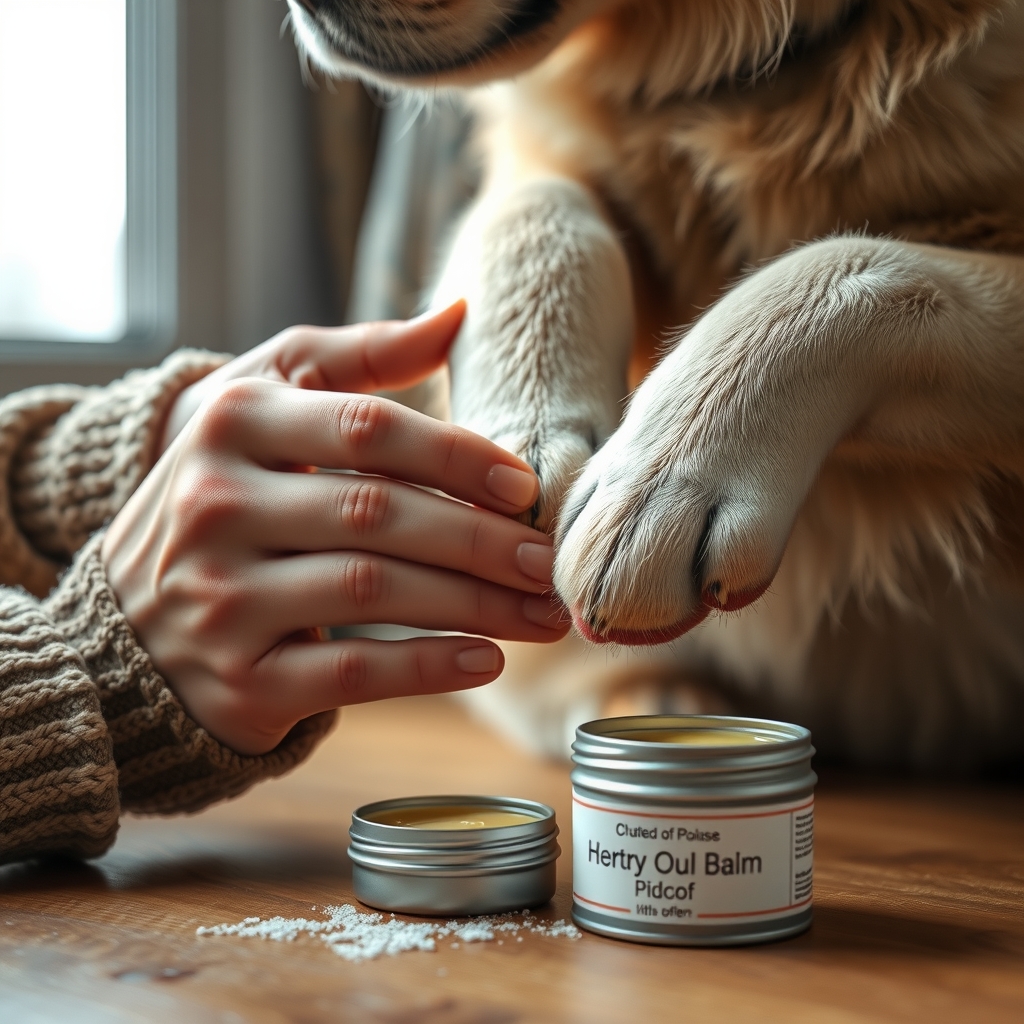
    Person applying balm to a dog's paw pads after a winter walk, illustrative AI image

    Illustrative image (AI-generated), not the exact product.

    See current photos and price on Amazon →

    Cold, dry air and de-icing salts can leave paw pads rough and cracked. This fragrance-free cocoa butter and vitamin E balm helps soften pads and noses. Rub a thin layer in after you wipe your dog’s paws, and let it soak in before your dog licks it off.

    For wiping paws at the door: Wags & Wiggles Fragrance-Free Dog Wipes, 100 Count

    Product pick

    Wags & Wiggles Fragrance-Free Dog Wipes, 100 Count
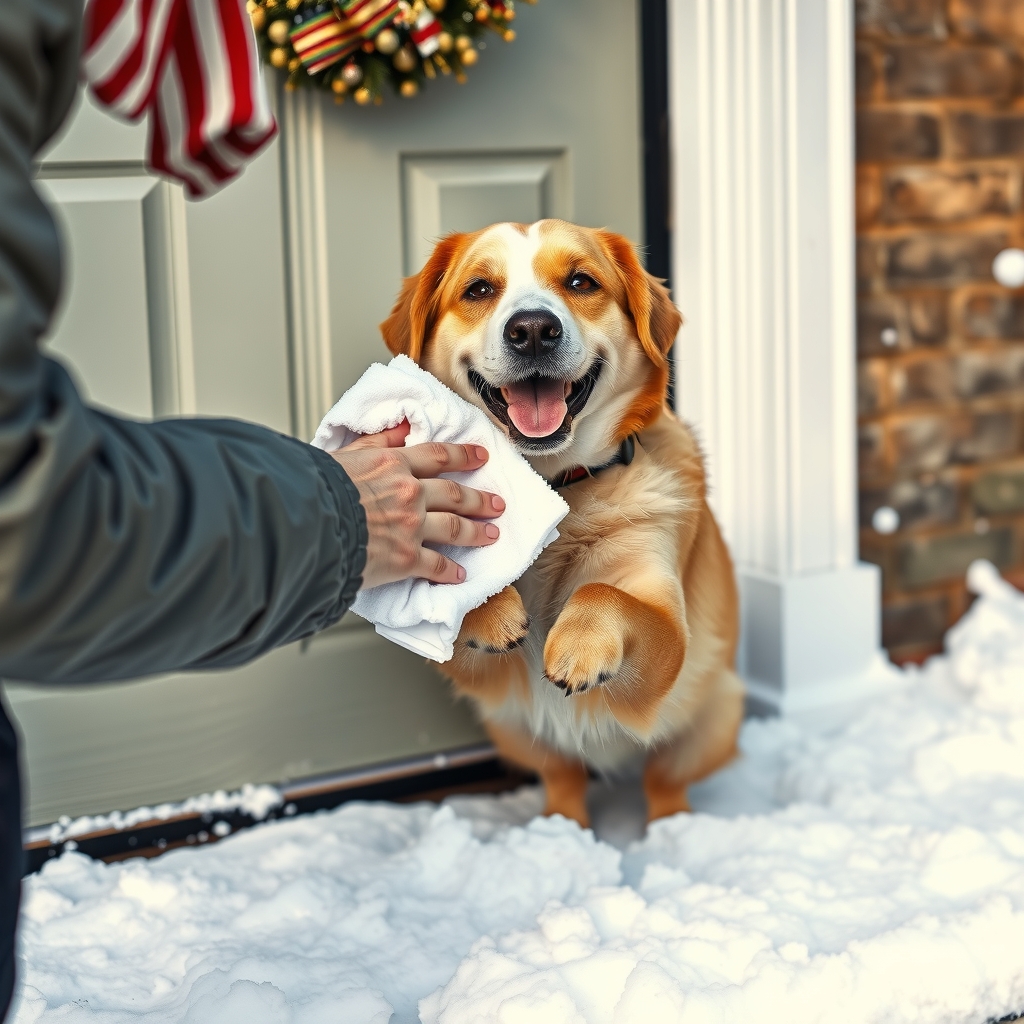
    Person wiping a dog's snowy paw with a wipe at the door, illustrative AI image

    Illustrative image (AI-generated), not the exact product.

    See current photos and price on Amazon →

    Veterinary poison services agree that wiping paws after a walk is the simplest way to stop dogs licking off ice melt. These hypoallergenic, fragrance-free wipes are thick enough for snowy, salty feet. Keep a pack by the door so it becomes part of every winter walk.

    Conclusion

    The best pet-safe ice melt is the least ice melt that keeps your steps safe. Shovel first, choose a gentler formula such as a Safer Choice magnesium chloride melter for cold Midwest days, and spread it thinly with a shaker. Keep melter off lawns and beds, store the bag out of reach, and wipe and moisturize your dog’s paws after every winter walk.

    FAQs

    Is any ice melt completely safe for pets?
    No. Pet Poison Helpline notes that all ice melts can be hazardous if a pet eats enough. Products labeled pet-friendly, usually urea or magnesium chloride based, are less likely to cause serious problems but can still upset a pet’s stomach.

    What does pet-safe ice melt mean on the label?
    The term is not regulated, so any brand can use it. Check the ingredient list instead, and look for the EPA Safer Choice label, which requires a product to meet EPA safer-ingredient criteria.

    What ice melt is safest for lawns and plants?
    Calcium magnesium acetate (CMA) has little effect on plants, according to extension specialists. Rock salt (sodium chloride) is the most damaging. Whatever you use, shovel first and apply as little as possible.

    Does pet-safe ice melt work in very cold weather?
    Some do. Magnesium chloride products are often rated to around 0°F or below, while urea and CMA lose effectiveness around 20°F. Check the temperature rating on the label.

    What should I do if my dog eats ice melt?
    Call your veterinarian, the ASPCA Animal Poison Control Center (888-426-4435) or Pet Poison Helpline (855-764-7661). Both hotlines charge a consultation fee.

    How do I protect my dog’s paws from ice melt?
    Wipe paws after every walk, use a paw balm for dry pads, consider dog boots, and keep ice melt bags closed and out of reach.

    Sources and review scope

    This guide was prepared on October 28, 2026 from the following sources and from the product listings on Amazon.com. Homingwell did not perform hands-on testing. Sellers were checked on Amazon.com on the same date.

    Explore more Lawn & Garden buying guides.

  • Yaheetech Cat Tree Review: 54-Inch Size & Stability Checks

    Yaheetech Cat Tree Review: 54-Inch Size & Stability Checks

    Pet products • Research-based buying guide • October 26, 2026

    Yaheetech Cat Tree Review: Size, Stability & Room Planning

    A cat tree can add climbing and resting space without filling the room with separate pieces of furniture. The important question is whether its platforms, hiding spaces and placement suit your actual cat. This Yaheetech cat tree review looks at the dark-gray 54-inch tower identified by Amazon ASIN B0794T79KM, with practical checks to run before buying.

    Product pick

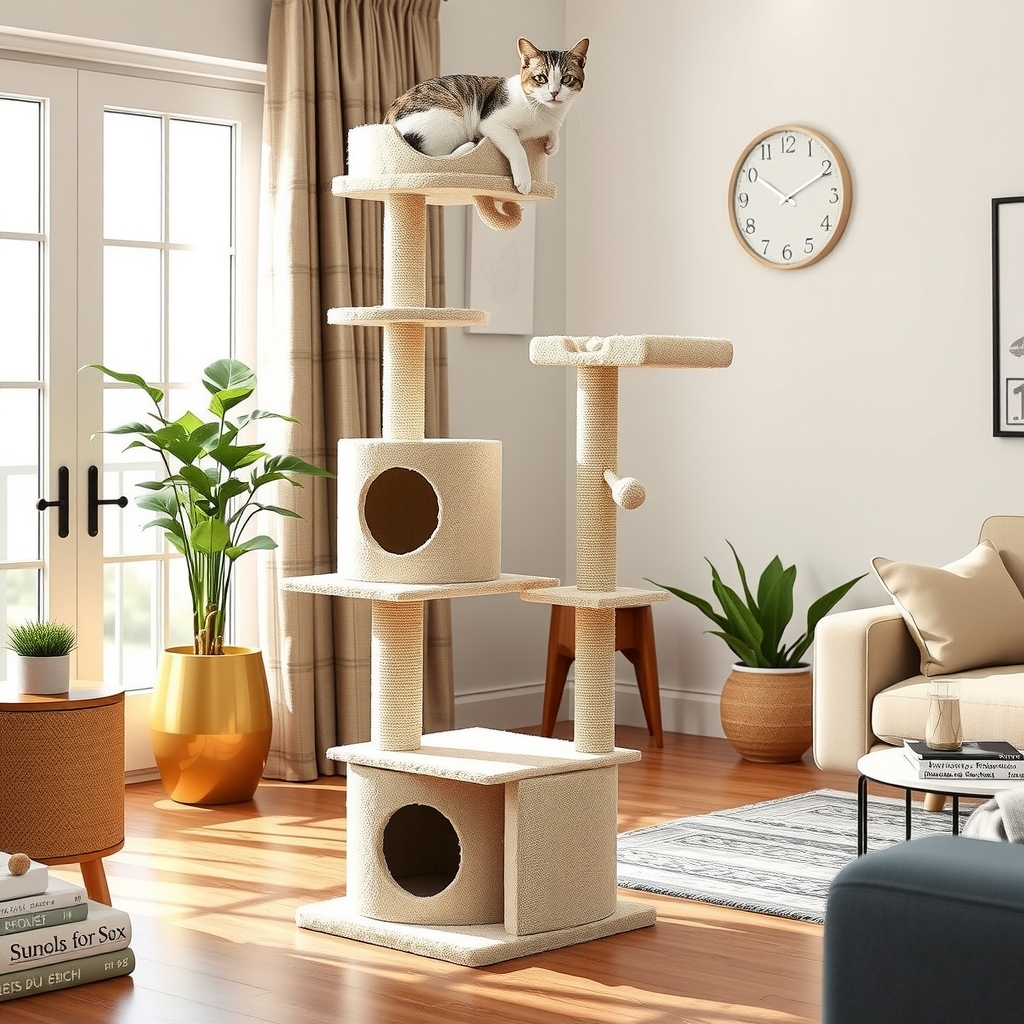
    Yaheetech cat tree with two condos, elevated perches and scratching posts

    Multi-level cat tree, illustrative AI image

    Illustrative image (AI-generated), not the exact product.

    See current photos and price on Amazon →

    Quick verdict: start with your cat’s size

    Consider this format if you want several resting levels and enclosed hideaways in one upright structure. The manufacturer describes the 54-inch design for kittens and small-to-medium cats. That makes platform and condo measurements more useful than the overall height alone. For a larger cat, obtain the exact usable perch and doorway dimensions before deciding.

    The main tradeoff is access: a tall structure creates more vertical options, but each step still needs to be comfortable for the cat using it. A high headline load rating does not establish that every perch is spacious or that the assembled tower will suit every jumping style.

    Yaheetech cat tree size and room planning

    Published featureWhat to check at home
    Approximately 54 inches tallCheck the full height and surrounding clearance in your chosen location.
    Manufacturer-listed base around 19.5 × 19.5 inchesMark the base on the floor, then allow for projecting platforms and your cat’s approach.
    Two condos and elevated perchesCompare usable interior dimensions, openings and resting surfaces with your cat.
    Sisal-wrapped scratching postsCheck their position and accessible scratching length.
    Wall restraint described by the manufacturerRead the supplied anchoring instructions and confirm suitability for your wall.

    Do not use the base measurement as the complete occupied footprint. Look at the assembled diagram, especially where a perch projects beyond the bottom board. Leave a clear route past the tree and room for your cat to step onto it without squeezing behind other furniture.

    Choose a position where you can also reach the lower spaces for cleaning. If you move the Yaheetech cat tree later, repeat the placement and restraint checks rather than assuming the new location is equivalent.

    Yaheetech cat tree stability and anchoring

    Follow the exact model’s assembly sequence and secure the restraint as directed. The manufacturer’s safety strap is a setup feature, not proof that an unanchored tower will remain steady during energetic use. Do not substitute a general online installation method for the instructions supplied with your version.

    After assembling the Yaheetech cat tree, inspect the connections and check for rocking on the intended floor before letting your cat use it. Recheck fixings according to the manual and after moving the tower. If a component is damaged, missing or persistently loose, resolve that issue before use.

    Match the Yaheetech cat tree to your cat’s routine

    Measure a resting surface your cat already uses comfortably. Compare that with the actual perch area, accounting for raised edges. A platform’s outside width may include padding or borders that do not provide the same usable space.

    For enclosed areas, consider the entrance and internal room together. A cat may fit through an opening yet find the sleeping space too confined. In a multi-cat home, think about access routes and whether one cat can block another’s preferred level. The number of advertised resting spots does not guarantee peaceful sharing.

    For an older cat or one with limited mobility, focus on step spacing and accessible lower levels. A floor-level resting option may be more practical than buying primarily for height. Introduce new furniture gradually and let the cat choose when to explore.

    Yaheetech cat tree assembly, cleaning and care

    Before assembling your Yaheetech cat tree, unpack the components, compare them with the parts list and allow enough clear floor area to assemble without obstructing a walkway. Keep packaging and loose hardware away from pets. We have not timed assembly, so set aside time to read the instructions rather than relying on an “easy assembly” label.

    Follow the manufacturer’s cleaning directions for the exact covering. Keep the structure dry, remove loose hair and inspect fabric, scratching surfaces and toys for wear. Check whether replacement toys or parts are available before treating them as replaceable. Remove a damaged accessory from use and seek the seller’s guidance when needed.

    Reasons to consider it — and reasons to pause

    • Consider it: you want an upright combination of resting levels, hideaways and scratching areas, and the exact dimensions suit your cat and room.
    • Measure carefully: your cat is large or prefers to stretch out on a broad, flat surface.
    • Pause before buying: you cannot establish an appropriate anchoring arrangement, the listing lacks needed measurements, or lower-level access does not suit your cat.
    • Compare ownership costs: cleaning access, replacement components, return shipping and the space needed to move or store the assembled tree.

    Before buying a Yaheetech cat tree: five checks

    1. Confirm the selected listing is the 54-inch dark-gray layout discussed here, not another tower with a similar name.
    2. Compare base, overall footprint, perch and condo dimensions with your room and cat.
    3. Read the current model’s total and individual platform limits; do not transfer limits from another version.
    4. Check assembly and wall-restraint requirements before ordering.
    5. Review the seller, delivery arrangements, return window and who pays return shipping.

    Frequently asked questions

    Is this Yaheetech cat tree suitable for large cats?

    Do not assume so from the height or total load figure. Compare the selected version’s usable resting areas, condo openings and individual limits. The manufacturer describes this design for smaller cats; obtain clarification before ordering for a larger cat.

    Does the Yaheetech cat tree need wall anchoring?

    The manufacturer describes a safety strap. Follow the anchoring instructions supplied with your exact version and confirm that the installation is suitable for the wall.

    Is a cat tree the same as a cat toy tower?

    No. A cat tree is furniture for activities such as climbing and resting. A ball-track toy serves a different role; our Catstages Tower of Tracks review covers that separate type of product.

    Can the Yaheetech cat tree replace a separate cat bed?

    That depends on the cat’s preferences and access needs. Keep a comfortable alternative available rather than assuming the cat will use the highest perch. For a floor-level option, see our K&H self-warming cat pad assessment.

    Sources and review scope

    This guide was prepared on October 26, 2026 using the manufacturer’s 54-inch cat tree page and the identified Amazon listing, ASIN B0794T79KM. Specifications and graphics describe published product information, not measurements or testing performed by Homingwell. Where listings differ, confirm the exact purchased version with the seller and its manual.

    Explore our Pet Products buying guides for more practical planning advice.

  • Cat Wipes vs Bath: What to Check Before Using Grooming Wipes

    Cat Wipes vs Bath: What to Check Before Using Grooming Wipes

    Skip to content

    Pet Products · Practical buying guide

    Cat Wipes vs Bath: What to Check Before Using Grooming Wipes

    The cat wipes vs bath question comes down to your cat’s coat, skin, health and temperament. Most cats dislike water, so a quick wipe-down can be a calmer way to freshen a coat between grooming sessions, while a full bath is for heavier mess. This guide covers what to check first, how the two options compare and the steps for a gentle wipe-down at home.

    Research-based guidance: We have not run a side-by-side test of wipes and baths. This guide compares care considerations, not measured results, and is not veterinary advice. Ask your vet about skin problems or health conditions. As an Amazon Associate I earn from qualifying purchases. Linked product assessments contain affiliate links.

    Quick verdict · Research assessment

    Cat wipes vs bath: our short answer

    For light, everyday freshening, a cat-safe wipe-down is usually the gentler option to consider first. Save a bath for heavy dirt, something sticky or a vet’s advice. Whichever you choose, check the label, keep the session short and watch your cat’s reaction.

    Cat wipes vs bath: the main differences

    Grooming supplies for the cat wipes vs bath decision

    CheckGrooming wipesBath
    TimeA few minutes for a quick pass.Longer: brushing, washing, rinsing and drying.
    StressNo water, so often easier for cats that dislike it.Can be stressful for many cats.
    Best forLight dirt, dust, dander or a quick freshen-up.Heavy mess or a vet-recommended wash.
    Label to checkMade for cats, alcohol-free and fragrance-free.Cat-safe shampoo and rinsing directions.
    DryingPat dry with a towel if damp.Full towel drying in a warm room.

    Supplies to gather first

    Gather everything before you begin so your cat isn’t left waiting.

    • Unscented, pet-safe wipes: choose grooming wipes made specifically for cats, and read the label for alcohol and fragrance.
    • Soft towel: for drying damp fur and giving your cat something to rest on.
    • Brush or comb: removes loose hair before wiping.
    • Treats: positive reinforcement makes the routine easier.
    • Optional: a damp washcloth with warm water, cat-safe shampoo and a non-slip mat if you plan a bath.

    Time and grooming schedule

    Prep takes a few minutes. A wipe-down is usually quick, while a full bath with brushing, washing, rinsing and drying takes much longer. Many healthy short-haired indoor cats rarely need a bath, so ask your vet what suits yours. Wipes can fit into a weekly or as-needed routine. Long-haired cats, seniors and cats that struggle to groom themselves may need more help, which is another good question for your vet.

    How to do a gentle wipe-down

    Gentle wipe-down steps, cat wipes vs bath guide

    1. Check the label first. Confirm the product is intended for cats and review the ingredients. Many cats lick their fur, so anything on the coat may end up in the mouth. If your cat has allergies or skin conditions, ask your vet first. For general guidance, see AVMA resources for pet owners.
    2. Brush first. Remove loose hair so the wipe doesn’t just push it around.
    3. Start calm. Let your cat sniff the wipe, then offer a treat.
    4. Wipe in the direction of the fur. Use gentle strokes on the back and sides. Avoid eyes, nose, mouth and ears.
    5. Use a fresh wipe for dirtier spots. Don’t rub hard or press on the skin.
    6. Dry and reward. Pat any damp fur with a towel, give a treat and stop if your cat becomes distressed.

    When a bath makes sense

    Consider a bath when your cat has something sticky, oily or heavily soiled on the coat that a wipe won’t handle. Use only shampoo made for cats, keep water out of the ears and face, and rinse thoroughly. If your cat has been in contact with something that could be toxic, don’t wait: call your vet or an animal poison hotline. A cat that panics in water can scratch or bolt, so stop and ask your vet or a groomer for help if a bath goes badly.

    Considering cat grooming wipes?

    Our Wet Ones cat wipes assessment covers one identified product, its published details and buying limits. Read those checks before opening the product link. We don’t claim it suits every cat or coat.

    Check the wipes on Amazon →Read the buying checks

    Amazon link is an affiliate link: as an Amazon Associate I earn from qualifying purchases, at no extra cost to you. Check the current price, size and details on Amazon before buying.

    Common questions: cat wipes vs bath

    Are cat wipes safe for every cat?

    Not necessarily. Check that the product is made for cats and read the ingredients, since cats lick their coats. Ask your vet if your cat has allergies or skin issues.

    Can wipes replace a bath completely?

    For many cats, wipes cover light freshening, but heavy mess may still need a bath. Your vet can advise on your cat.

    Can I use baby wipes on my cat?

    Don’t assume so. Products made for people may contain ingredients not meant for pets. Choose wipes labeled for cats.

  • How to Remove Pet Hair From Couch: 6 Easy Steps and Tools to Compare

    How to Remove Pet Hair From Couch: 6 Easy Steps and Tools to Compare

    Skip to content

    Pet Products · Practical buying guide

    How to Remove Pet Hair From Couch: 6 Easy Steps and Tools to Compare

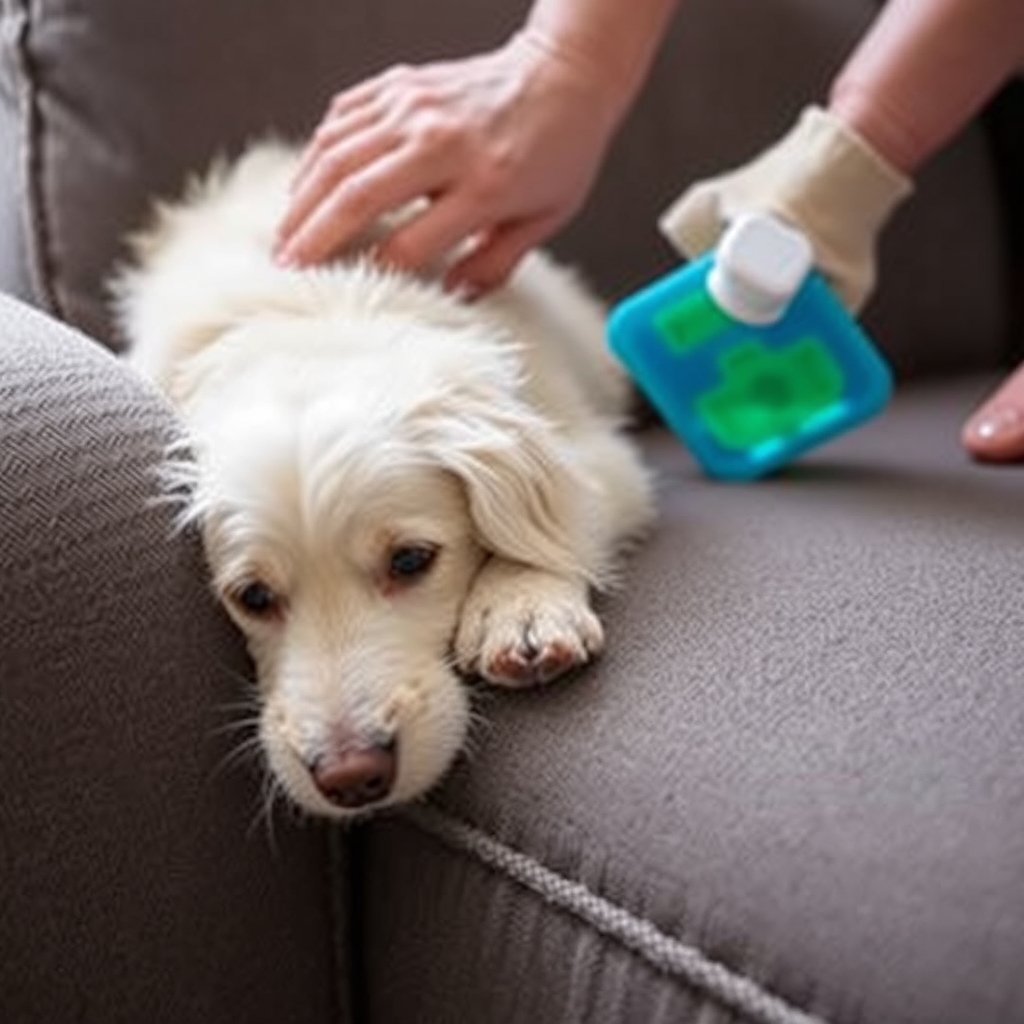
    Learning how to remove pet hair from couch fabric is mostly about matching the tool to the upholstery and doing the steps in the right order. Start dry, loosen the hair, collect it, then vacuum what is left. This guide covers six easy steps and compares the common tools, so you can choose one that fits your sofa, your pet and the time you want to spend.

    Research-based guidance: We have not run a side-by-side pickup test of these tools. This guide compares buying and cleaning considerations, not measured performance. Always check your couch’s care label first. As an Amazon Associate I earn from qualifying purchases. Linked product assessments contain affiliate links.

    Quick verdict · Research assessment

    How to remove pet hair from couch: our short answer

    Use a dry method first. A rubber tool or a reusable roller can gather hair into clumps, and a vacuum with an upholstery attachment can finish the seams. Reserve damp methods for fabrics that allow them, and test a hidden spot before you treat the whole couch.

    Check your fabric first

    Tools for how to remove pet hair from couch fabric

    Before you choose a method, find the care label under a cushion. Codes such as W, S or X tell you whether water, solvent or only vacuuming is suitable. Leather, velvet and loose weaves each need a gentler approach than a tightly woven fabric.

    If you cannot find a label, test any tool or liquid on a small hidden area and wait for it to dry. Stop if the fabric snags, changes color or feels rough. This simple check matters for how to remove pet hair from couch cushions without damaging them.

    Tools to compare for pet hair on a couch

    ToolGood forCheck before use
    Reusable pet hair rollerRepeated touch-ups with no adhesive sheets.Is it approved for your fabric, and how do you empty it?
    Rubber brush or squeegeeGathering stubborn hair into clumps.Could it scratch leather or snag a loose weave?
    Vacuum with upholstery toolLoose hair and dander in seams.Is the attachment gentle on your fabric?
    Adhesive lint rollerQuick touch-ups before guests arrive.How many sheets will a full couch use?

    A clean rubber glove is a low-cost alternative to a dedicated brush. For a closer comparison, read our reusable pet hair remover vs lint roller guide.

    How to remove pet hair from couch: the 6 steps

    Step by step: how to remove pet hair from couch cushions

    Follow these steps in order. Doing the dry work first means less hair is left for the vacuum, and it protects fabrics that cannot get wet.

    1. Remove cushions and throws. Shake blankets outdoors and wash them as their labels allow.
    2. Do a dry sweep. Use a rubber brush or glove in short strokes in one direction so hair gathers into clumps.
    3. Use a reusable roller. Roll across the surface, then empty the collection chamber. This also helps when you want to remove cat hair from sofa fabric, where fine fur can cling.
    4. Vacuum the seams. Use an upholstery or crevice tool along corners, folds and under the cushions.
    5. Wipe if the fabric allows. Only if the label permits, lightly dampen a microfiber cloth and wipe to catch loose strands.
    6. Let it dry. Give any damp area time to dry before your pet climbs back on.

    Keep the couch clean between deep cleans

    A short routine works better than an occasional big effort. Do a quick pass during heavy shedding seasons, vacuum on a regular schedule, and wash removable covers when the label allows. A washable throw on your pet’s favorite spot catches much of the hair before it reaches the fabric.

    Once you know how to remove pet hair from couch fabric, the routine is simple to repeat. For general pet-care guidance, see ASPCA pet care resources.

    Considering a reusable roller?

    Our ChomChom Roller assessment covers one identified manual tool, its published features and buying limits. Read those checks before opening the product link. We do not claim it suits every fabric.

    Check the ChomChom Roller on Amazon →Read the ChomChom buying checks

    Amazon link is an affiliate link: as an Amazon Associate I earn from qualifying purchases, at no extra cost to you. Check the current price, size and details on Amazon before buying.

    Common questions: how to remove pet hair from couch

    Will one tool remove every pet hair?

    Do not assume complete removal. Results depend on the hair, fabric, tool and technique, so most people combine a brush or roller with a vacuum. We have not tested a pickup percentage.

    Can I use a damp cloth on any couch?

    No. Check the care label and test a hidden spot first. Some fabrics should only be vacuumed.

    How often should I clean pet hair off my couch?

    There is no single schedule. A short routine during heavy shedding and a regular vacuum suit many households, but adjust it to your pet and your fabric.

  • Self-Warming vs Heated Cat Bed: 5 Essential Checks Before You Buy

    Self-Warming vs Heated Cat Bed: 5 Essential Checks Before You Buy

    Skip to content

    Pet Products · Practical buying guide

    Self-Warming vs Heated Cat Bed: 5 Essential Checks Before You Buy

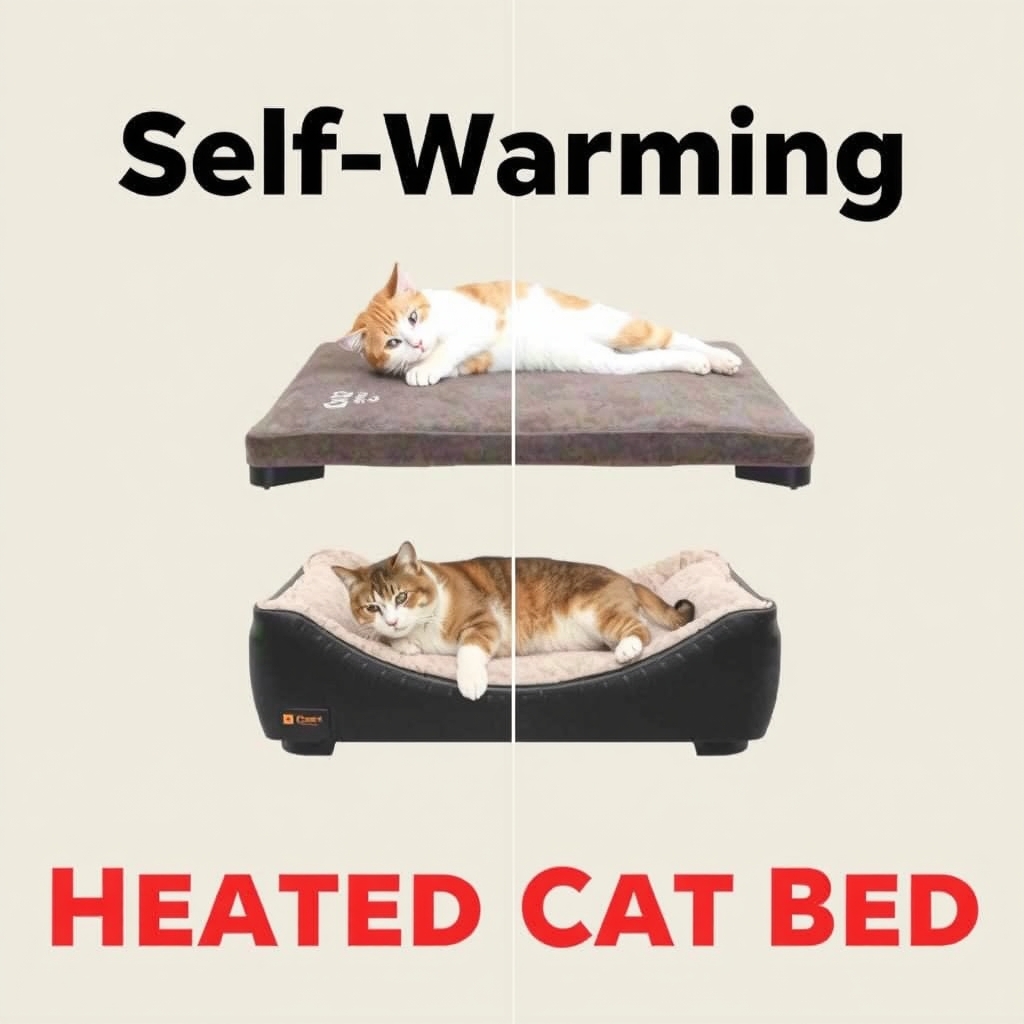
    Choosing between a self-warming vs heated cat bed mostly comes down to three things: the room, your cat and the cord. A self-warming bed has no power supply and relies on materials that hold or reflect warmth. A heated bed needs an outlet and a design you can trust around a curious cat. Neither is automatically better, so use these five simple checks to compare where the bed will sit, how your cat uses it and what you are comfortable plugging in.

    Research-based guidance: We have not run a side-by-side warmth or safety test of these two bed types. This guide compares buying considerations, not measured performance. As an Amazon Associate I earn from qualifying purchases. Linked product assessments contain affiliate links.

    Quick verdict · Research assessment

    Self-warming vs heated cat bed: our buying verdict

    Shortlist a self-warming bed for a mild, draft-free room where your cat already likes to nap. Look at a heated bed when the room stays cold, when your cat is older or has health needs a vet has discussed, and when you can keep the cord out of reach. If you are unsure, start with the simpler option and reassess when the weather turns colder.

    Check 1: Start with the room and your cat

    Illustration comparing a self-warming vs heated cat bed in a home

    Before choosing a self-warming vs heated cat bed, watch where your cat sleeps now. A cat that picks a sunny sill or a laundry pile is already telling you what it values. Note the room temperature at night, whether the floor feels cold and whether the spot is near a door or window.

    Then think about the cat. Kittens, seniors and cats with medical conditions can have different warmth needs, and a vet is the right person to ask about those. For a healthy adult in a comfortable room, a simple bed with a thick, soft surface may be enough.

    Self-warming vs heated cat bed: the main differences

    CheckSelf-warming bedHeated bed
    PowerNo outlet. Listings describe materials that retain or reflect body warmth.Needs an outlet or compatible power source.
    CordNone to manage.Check cord length, protection and routing.
    Cold roomsDepends on your cat’s own warmth, so check how the maker describes it.May suit colder spaces, subject to the maker’s instructions.
    CleaningCheck whether the cover or pad is washable.Check what can be washed and how to disconnect it first.
    Best questions to askIs the pad thick enough and sized for my cat?Are the safety features and instructions clear for my cat?

    Check 2: Safety before choosing a heated cat bed

    If you are weighing a heated cat bed vs self-warming design, safety checks matter most for the heated one. Read the product page and the manual for the exact model. Look for a clear description of the heating method, any thermostat or automatic shut-off the maker states, and the recommended way to use it.

    Check the cord. Cats can chew or tug, so look at how the cord is protected and where it will run. Keep it out of walkways and away from places a cat could get tangled. Do not use a human heating pad as a substitute unless the maker states it is intended for pets. Stop use and contact the seller if you see damage, and ask your vet if your cat has health conditions that affect heat exposure.

    Check 3: Size, placement and drafts

    Cat bed placement away from drafts, a self-warming vs heated cat bed check

    Whichever side of the self-warming vs heated cat bed choice you favor, measure your cat in its usual sleeping position, curled and stretched, and compare it with the bed’s listed dimensions. A bed that is too small may not get used. One that is much too large may feel less snug. Check whether the listing gives the usable sleeping area, not just the outer size.

    Place the bed away from drafts and exterior doors. For a cat bed for cold rooms such as a sunroom or basement, remember that a bed alone cannot fix a very cold space. Raising the bed off a cold floor, or putting it on a stable shelf, may help; check that the surface is safe for your cat.

    Check 4: Cleaning and daily care

    Pet bedding collects hair and dirt. Before buying either a self-warming vs heated cat bed, look at the care label for each model: can the cover be removed, can it go in a washing machine, and what temperature or drying method does the maker allow? For a heated bed, check how to disconnect and dry the unit before washing.

    Plan a simple routine. Shake out loose hair, wash covers on the maker’s schedule and inspect the bed for wear. If a pad flattens or a cover frays, replace it rather than trying to repair it in a way the maker does not support.

    Check 5: Think about the full cost

    A heated bed adds an outlet, a cord and ongoing electricity, while a self-warming pad does not. We have not calculated running costs, because they depend on the model and your local rates. When you compare a self-warming vs heated cat bed, look at the full purchase: the bed, any spare covers, cord protection if you need it and how often you expect to replace it.

    Avoid paying extra for a promise you cannot check. If a listing makes a strong claim about warmth, look for the specific details behind it and treat the rest as a seller statement.

    Considering a self-warming pad?

    Our K&H self-warming cat pad assessment covers one identified self-warming pad, its published details and buying limits. Read those checks before opening the product link. We have not reviewed a heated bed on this site.

    Check the K&H pad on Amazon →Read the K&H buying checks

    Amazon link is an affiliate link: as an Amazon Associate I earn from qualifying purchases, at no extra cost to you. Check the current price, size and details on Amazon before buying.

    Common questions: self-warming vs heated cat bed

    Is a heated cat bed safe to leave on all day?

    Follow the maker’s instructions for the exact model. We do not claim any bed is safe for every cat or every situation. Ask your vet if your cat has health conditions.

    Does a self-warming bed make heat on its own?

    Check how the listing describes it. These designs are generally described as holding or reflecting your cat’s own warmth, so results depend on the cat and the room. We have not tested the effect.

    Which suits a senior cat?

    Ask your vet. Comfort, access and joint needs vary, so the right choice depends on your cat. For general pet-care guidance, see AVMA resources for pet owners.

  • Reusable Pet Hair Remover vs Lint Roller: What to Compare

    Reusable Pet Hair Remover vs Lint Roller: What to Compare

    Skip to content

    Pet Products · Practical buying guide

    Reusable Pet Hair Remover vs Lint Roller: What to Compare

    A reusable pet hair remover and an adhesive lint roller can both belong in a cleaning kit, but they are not interchangeable on every surface. Start with the material you want to clean, the size of the job and the maintenance you are willing to do. Avoid choosing on a promise of universal hair removal.

    Research-based guidance: We have not performed a side-by-side pickup test. This guide compares buying considerations, not measured performance. As an Amazon Associate I earn from qualifying purchases. Linked product assessments contain affiliate links.

    Start with the surface

    Homingwell pet products guide: reusable pet hair remover vs lint roller

    For repeated furniture touch-ups, compare a reusable tool specifically approved for that upholstery. For a small clothing touch-up, compare an adhesive roller approved for the garment. Delicate fabrics, loose weaves and embellished surfaces need particular care: check the fabric instructions and the tool instructions before use.

    Quick recap: reusable pet hair remover vs lint roller

    When it comes to reusable pet hair remover vs lint roller, the best choice depends on your space, your budget and how you use it every day. Write down your key measurements, compare the features that matter to you, and choose the option that fits comfortably.

    Use this reusable pet hair remover vs lint roller guide as a checklist, and come back to it whenever your needs change. A short, honest comparison of reusable pet hair remover vs lint roller now saves you from a costly return later. Before you decide, review your reusable pet hair remover vs lint roller notes once more. Keep a simple reusable pet hair remover vs lint roller checklist next to your tape measure. A careful reusable pet hair remover vs lint roller routine takes minutes and prevents mistakes. Share this reusable pet hair remover vs lint roller guide with anyone helping you choose. Revisit the reusable pet hair remover vs lint roller steps above if your room or budget changes.

    For general background, see ASPCA pet care resources.

    These labels cover different designs

    “Reusable” can mean a directional fabric brush, a roller with a collection chamber or another construction entirely. Cleaning methods and suitable surfaces differ. An adhesive roller removes a sheet as it becomes covered; reusable tools generally need their collecting area emptied or cleaned according to their own instructions.

    Do not transfer care advice from one reusable design to another. A washable tool does not establish that a different model can be soaked. Check the manual for the exact version, including any drying requirements, instead of treating an online category description as a care label.

    Compare the full cleaning routine

    Homingwell pet products buying guide: reusable pet hair remover vs lint roller

    Check Reusable remover Adhesive lint roller
    Surface compatibility Verify the particular mechanism and approved fabrics. Verify the adhesive is suitable for the garment or upholstery.
    Ongoing supplies Inspect cleaning and replacement-part requirements. Check the correct replacement roll size and availability.
    After each job Allow time for emptying or cleaning. Remove used sheets and store the adhesive as directed.
    Large areas Consider grip, working width and repeated movement. Consider how many sheets the job uses.

    Furniture and clothing create different jobs

    A sofa cushion offers a different working surface from a loose shirt or blanket. Seams, folds and removable covers can affect access. Before buying, identify the actual problem area: a pet’s usual cushion, a car seat or the shoulders of a coat. Look for instructions that address that use.

    Check the fabric care label first, then follow the tool maker’s compatibility advice. Where both permit use, try a small inconspicuous area before treating a visible surface. Stop if the fabric catches, distorts or shows damage. More pressure is not a substitute for an appropriate cleaning tool.

    Work out cost from your own usage

    A reusable tool may avoid disposable adhesive sheets, but that alone does not establish a lower lifetime cost. Compare the purchase cost, any replacement components and how often you actually use it. For adhesive rollers, compare the number and size of usable sheets and the cost of compatible refills, rather than only the pack price.

    For a simple household record, note how many sheets you use in a typical week and the price of the replacement roll you actually buy. Keep the result specific to your routine. We have not calculated a universal break-even point or claimed a particular environmental saving.

    Think about handling and storage

    Check whether you can hold the handle comfortably through repeated strokes and open the collection compartment without difficulty. A tool that is awkward to empty may stay in a cupboard. For an adhesive roller, check whether the cover and handle are practical to store near the place you need it.

    Household hair-removal tools are not automatically grooming tools. Use them only as the manufacturer intends; do not assume a fabric roller should be used directly on a pet. Keep removable components and used adhesive sheets away from animals and children.

    Considering the ChomChom format?

    Our ChomChom Roller assessment covers one identified manual tool, its published features and buying limitations. Read those checks before opening the product link. We do not claim it is the best choice for every fabric.

    Read the ChomChom buying checks →

    Common questions: reusable pet hair remover vs lint roller

    Will either tool remove every pet hair?

    Do not assume complete removal. Results depend on the hair, fabric, tool and technique. This guide provides no tested pickup percentage.

    Does a hair remover replace washing or vacuuming?

    Choose the cleaning method your fabric and equipment instructions allow. A surface touch-up tool does not by itself establish that the whole item is clean.

  • KONG Classic Dog Toy Review: Stuffable Medium Red Toy

    Skip to content

    Pet Products · Research-based assessment

    KONG Classic Stuffable Dog Toy Medium Red review: 5 essential buying checks

    A stuffable toy should match the dog, chewing behaviour and care routine. This KONG Classic dog toy review considers the identified medium red listing without promising engagement, behaviour change or a universal level of durability.

    Research, not a product test. Homingwell checked the identified Amazon listing on October 9, 2026. Specifications below are listing statements, not laboratory measurements. We have not personally used this product, verified every promotional claim, or tested long-term performance. No customer rating, star score, current price or availability is reproduced.

    Affiliate disclosure: As an Amazon Associate I earn from qualifying purchases. Homingwell may receive a commission from qualifying purchases through the links on this page.

    Quick verdict · Research assessment

    KONG Classic dog toy review: our buying verdict

    Consider the medium Classic only when current sizing and chewing guidance support the choice. Plan supervision, inspection and cleaning from the outset. Do not treat the toy as indestructible or as a verified solution to behavioural or health concerns.

    On this page

    Key specifications

    Selected size
    Medium
    Selected colour
    Classic red
    Listed material
    Natural rubber
    Format
    Hollow, stuffable toy

    The listing identifies the medium Classic toy for average chewers and describes a hollow interior and irregular bounce. KONG’s guidance calls for supervision, regular inspection and discarding worn or damaged toys. No toy is treated here as indestructible.

    Pros: reasons to consider it

    Reasons to consider the format, rather than tested performance findings:

    • Stuffable interior
    • Identified material category
    • Clear size selection
    • Play and feeding format
    • Manufacturer care guidance

    Cons and limitations

    • Size and chewing suitability require current guidance.
    • Supervision, inspection and cleaning are necessary.
    • The toy must not be treated as indestructible.

    Best for / not ideal for

    Best for

    Dogs whose size and chewing needs match current guidance, with supervised use.

    Not ideal for

    Unsupervised use or buyers expecting a verified behavioural or health solution.

    Choose size from current guidance

    Review the maker’s current size and chewing guidance for your dog rather than choosing medium because the animal seems medium-sized. Consider both the dog’s size and how it interacts with toys. Do not transfer specifications from Puppy, Senior or Extreme versions to the Classic listing. If fit or chewing suitability is uncertain, resolve it with the maker or a veterinary professional before purchase.

    Plan the activity you want

    Decide whether you want a supervised play object or a food-stuffing activity. The hollow design creates options, but it cannot guarantee interest or a particular length of engagement. Observe your dog’s existing preferences and introduce a new item appropriately. We have not played with this toy or measured bounce, chewing resistance, engagement duration or changes in behaviour.

    Make stuffing a separate decision

    If you intend to fill the toy, choose only appropriate food and quantities for your dog’s established needs and the current instructions. A retailer’s example is not individual feeding advice. Plan where the activity will happen and how you will remove residue afterward. Do not buy a toy on the assumption that every suggested filling is suitable for every animal or that more filling necessarily improves the activity.

    Keep inspection and care visible

    KONG advises regular inspection and removal of worn or damaged toys. Make that part of your routine instead of treating a durable label as permission to stop checking. Review the maker’s cleaning guidance for the exact material and version. A stuffable object has interior surfaces to clean; decide whether you can carry out that care conveniently after the activity you plan.

    Compare formats and supervision needs

    Another toy format may fit your dog’s interests better, and a stronger material category may be relevant to different chewing behaviour. Compare current guidance rather than assuming a familiar brand makes every version interchangeable. This is a research assessment, not an assurance of unsupervised safety. We have not tested wear, fragment release, cleaning effectiveness or long-term use. Claims about solving barking, boredom or other behaviour are not adopted as proven outcomes.

    How we assess the evidence

    Our five criteria are build quality, ease of use, functionality, design and value. A material description informs the first criterion but does not establish durability. Setup and maintenance affect ease of use. Functionality depends on the job you need done, while design includes practical fit as well as appearance. Value requires comparing the complete purchase with alternatives. These questions guide this assessment; they are not five invented numerical scores.

    Listing language such as durable, comfortable, easy or safe remains a seller claim unless supported by testing we can examine. We separate concrete published details from our buying inferences and leave unanswered questions visible. Check the current instructions and selected variant before relying on a detail, because listings and included accessories can change.

    Buying considerations

    Before ordering, compare the selected version, seller, included items, delivery terms, warranty and return conditions. Keep the model identifier and instructions with your receipt. If a specification essential to your decision is missing or inconsistent, ask the seller for clarification before buying. Our affiliate link identifies the listing checked; it does not certify the seller, guarantee stock, or replace your final product and terms check.

    Check the selected product on Amazon

    Check this version on Amazon

    Check the exact model, selected variant, seller and current terms. This is an affiliate link.

    Listing identity checked through retrieved Amazon content on October 9, 2026. Current offers can change. Affiliate attribution and checkout have not been transaction-tested.

    Sources and further reading

    For general background beyond this review, see ASPCA pet care resources.

    Manufacturer guidance: KONG FAQ on choosing, supervising and inspecting toys.

    The identified Amazon product listing, ASIN B000AYN7LU, is the source for published product details. Promotional statements are not independent verification. No licensed photograph of this exact product is presented.

    Explore Pet Products buying guidance · Plan your purchase · Affiliate disclosure

  • Wet Ones Cat Wipes Review: Freshening Wipes Aloe Vera 50 Count

    Skip to content

    Pet Products · Research-based assessment

    Wet Ones for Cats Freshening Wipes Aloe Vera 50 Count review: 5 essential buying checks

    Convenient packaging does not settle whether a grooming product suits an individual cat. This Wet Ones cat wipes review examines the identified fresh-scent fifty-count listing and the boundaries of an occasional cleanup purchase.

    Research, not a product test. Homingwell checked the identified Amazon listing on October 9, 2026. Specifications below are listing statements, not laboratory measurements. We have not personally used this product, verified every promotional claim, or tested long-term performance. No customer rating, star score, current price or availability is reproduced.

    Affiliate disclosure: As an Amazon Associate I earn from qualifying purchases. Homingwell may receive a commission from qualifying purchases through the links on this page.

    Quick verdict · Research assessment

    Wet Ones cat wipes review: our buying verdict

    Shortlist this cat-specific pack only for a defined grooming task compatible with its current label and your cat’s tolerance. Do not use listing freshness claims to explain a health concern. Ingredient suitability and cleaning results have not been independently tested.

    On this page

    Key specifications

    Intended animal
    Cats
    Count
    50 wipes
    Listed addition
    Aloe vera
    Selected scent
    Fresh scent

    The identified listing describes ready-to-use grooming wipes for surface cleaning between baths. Its gentle, moisturising and odor-control language remains a product claim, not a finding about every cat’s tolerance. This is the cat version, not a human or dog wipe.

    Pros: reasons to consider it

    Reasons to consider the format, rather than tested performance findings:

    • Cat-specific listing
    • Ready-to-use format
    • Defined pack count
    • Portable cleanup option
    • Clearly identified scent

    Cons and limitations

    • Suitability depends on the current label and ingredients.
    • The cat’s tolerance for wiping may limit usefulness.
    • Cleaning results and ingredient suitability are not independently tested.

    Best for / not ideal for

    Best for

    A defined label-compatible grooming task tolerated by the cat.

    Not ideal for

    Treating a health concern or relying on freshness claims as medical guidance.

    Define the cleanup need

    Identify what you want to remove and whether your cat needs an additional grooming product at all. A surface wipe is a different purchase from a bathing product or a treatment for a health problem. Do not interpret a fresh scent as proof that a persistent odor has been resolved. If the issue is unusual or recurring, clarify it before making a routine product purchase.

    Check the exact label

    Read the current package’s ingredients, directions and restrictions before use. Similar branding can appear on wipes made for different species or purposes, so confirm the cat version and the selected count. Do not extend a broad listing phrase into permission for every part of the animal’s body. This review does not replace the label or offer an independent ingredient-safety assessment.

    Think about the cat’s tolerance

    Consider whether your cat accepts gentle handling and unfamiliar scents. Convenience for the owner is not evidence of comfort for the animal. Introduce any grooming routine within the supplied guidance and stop if it is unsuitable. We have not used these wipes, tested skin tolerance or measured fragrance intensity. Claims about gentleness or suitability for frequent use should not be treated as universal findings.

    Plan storage and disposal

    Check how the package should be closed, stored and disposed of according to the label. Think about how often you would actually use a fifty-count pack and whether you can keep it in the intended conditions. A ready-to-use format can be convenient, but it also creates a consumable purchase. Do not assume the packaging keeps every wipe moist indefinitely or that the wipe can be disposed of by any method.

    Compare routine grooming options

    A different grooming approach may suit some tasks or cats better. Discuss uncertain needs with an appropriate veterinary professional rather than choosing from a general cleaning claim. Compare the complete routine, handling effort and recurring cost. We have not verified debris removal, odor reduction, tolerance, wipe moisture over time or cleaning performance against alternatives. No medical, antibacterial or allergy-related benefit is asserted here.

    How we assess the evidence

    Our five criteria are build quality, ease of use, functionality, design and value. A material description informs the first criterion but does not establish durability. Setup and maintenance affect ease of use. Functionality depends on the job you need done, while design includes practical fit as well as appearance. Value requires comparing the complete purchase with alternatives. These questions guide this assessment; they are not five invented numerical scores.

    Listing language such as durable, comfortable, easy or safe remains a seller claim unless supported by testing we can examine. We separate concrete published details from our buying inferences and leave unanswered questions visible. Check the current instructions and selected variant before relying on a detail, because listings and included accessories can change.

    Buying considerations

    Before ordering, compare the selected version, seller, included items, delivery terms, warranty and return conditions. Keep the model identifier and instructions with your receipt. If a specification essential to your decision is missing or inconsistent, ask the seller for clarification before buying. Our affiliate link identifies the listing checked; it does not certify the seller, guarantee stock, or replace your final product and terms check.

    Check the selected product on Amazon

    Check this version on Amazon

    Check the exact model, selected variant, seller and current terms. This is an affiliate link.

    Listing identity checked through retrieved Amazon content on October 9, 2026. Current offers can change. Affiliate attribution and checkout have not been transaction-tested.

    Sources and further reading

    For general background beyond this review, see ASPCA pet care resources.

    The identified Amazon product listing, ASIN B08GV53MF2, is the source for published product details. Promotional statements are not independent verification. No licensed photograph of this exact product is presented.

    Explore Pet Products buying guidance · Plan your purchase · Affiliate disclosure

  • ChomChom Roller Review: Original Pet Hair Remover White

    Skip to content

    Pet Products · Research-based assessment

    ChomChom Roller Original Pet Hair Remover White review: 5 essential buying checks

    A reusable hair remover can complement a household cleaning routine when it suits the surface. This ChomChom Roller review looks at the identified original white version and the work required to use and empty a manual tool.

    Research, not a product test. Homingwell checked the identified Amazon listing on October 9, 2026. Specifications below are listing statements, not laboratory measurements. We have not personally used this product, verified every promotional claim, or tested long-term performance. No customer rating, star score, current price or availability is reproduced.

    Affiliate disclosure: As an Amazon Associate I earn from qualifying purchases. Homingwell may receive a commission from qualifying purchases through the links on this page.

    Quick verdict · Research assessment

    ChomChom Roller review: our buying verdict

    Shortlist the original roller for compatible household fabric touch-ups when the repeated manual motion fits your routine. Do not assume universal surface compatibility or guaranteed pickup. For larger jobs, compare its role alongside another suitable cleaning method.

    On this page

    Key specifications

    Selected version
    Original / White Classic
    Operation
    Manual
    Collection
    Built-in receptacle
    Consumables
    Listed adhesive-free design

    The listing describes back-and-forth rolling, a collection compartment opened by a release button and a reusable design without adhesive tape. We do not adopt its superiority, deep-cleaning or every-hair claims as established performance.

    Pros: reasons to consider it

    Reasons to consider the format, rather than tested performance findings:

    • Reusable format
    • No adhesive-sheet requirement
    • Manual operation
    • Collection chamber
    • Release-button design

    Cons and limitations

    • Pickup and surface compatibility are not guaranteed.
    • Repeated manual motion and chamber emptying are necessary.
    • Large cleaning jobs may call for another method.

    Best for / not ideal for

    Best for

    Compatible household fabric touch-ups where repeated manual use fits the routine.

    Not ideal for

    Direct grooming on pets or buyers expecting universal surface compatibility.

    Choose the surface and job

    List the upholstered surfaces where loose pet hair is most inconvenient and check their care guidance. Decide whether you need quick touch-ups or a larger cleaning session. A manual roller is a tool format, not proof of suitability for every fabric. Avoid transferring a result claimed for one surface to delicate clothing or another material without checking the instructions.

    Understand the manual routine

    The listing describes repeated back-and-forth movement rather than a powered mechanism. Think about how much area you usually clean and whether that motion is practical for you. If the problem covers an entire room, compare the roller’s role with a suitable vacuum or another cleaning method. We have not measured pickup rate, effort, the number of passes or the effectiveness on different hair types.

    Plan to empty the chamber

    A reusable tool still has an aftercare task. Decide where you will empty collected debris and how you will maintain the roller under the supplied directions. Keep it accessible enough to use routinely rather than hiding it in storage after the first session. A built-in compartment is a design feature to examine, not proof that handling debris will always be effortless or mess-free.

    Keep product and pet uses separate

    This assessment concerns removing loose hair from appropriate household surfaces. Do not assume a furniture-cleaning tool is suitable for grooming your animal. Follow the maker’s intended applications and care guidance. If the household problem is not simply loose hair, identify it before buying another cleaning accessory. A roller does not establish a solution to a pet’s shedding or skin-health concern.

    Compare repeat use and alternatives

    The absence of adhesive tape may appeal if you want to avoid buying roller sheets, but that alone does not prove lower lifetime cost or an environmental outcome. Compare the tasks, upkeep and usable life rather than relying on a sustainable label. We have not tested mechanism wear, fabric effects, chamber capacity in practice or results against a sticky roller. Choose the method that fits your actual cleaning job.

    How we assess the evidence

    Our five criteria are build quality, ease of use, functionality, design and value. A material description informs the first criterion but does not establish durability. Setup and maintenance affect ease of use. Functionality depends on the job you need done, while design includes practical fit as well as appearance. Value requires comparing the complete purchase with alternatives. These questions guide this assessment; they are not five invented numerical scores.

    Listing language such as durable, comfortable, easy or safe remains a seller claim unless supported by testing we can examine. We separate concrete published details from our buying inferences and leave unanswered questions visible. Check the current instructions and selected variant before relying on a detail, because listings and included accessories can change.

    Buying considerations

    Before ordering, compare the selected version, seller, included items, delivery terms, warranty and return conditions. Keep the model identifier and instructions with your receipt. If a specification essential to your decision is missing or inconsistent, ask the seller for clarification before buying. Our affiliate link identifies the listing checked; it does not certify the seller, guarantee stock, or replace your final product and terms check.

    Check the selected product on Amazon

    Check this version on Amazon

    Check the exact model, selected variant, seller and current terms. This is an affiliate link.

    Listing identity checked through retrieved Amazon content on October 9, 2026. Current offers can change. Affiliate attribution and checkout have not been transaction-tested.

    Sources and further reading

    For general background beyond this review, see ASPCA pet care resources.

    The identified Amazon product listing, ASIN B00BAGTNAQ, is the source for published product details. Promotional statements are not independent verification. No licensed photograph of this exact product is presented.

    Explore Pet Products buying guidance · Plan your purchase · Affiliate disclosure

  • K&H Self-Warming Cat Pad Review: 21 × 17 in Oatmeal/Chocolate

    Skip to content

    Pet Products · Research-based assessment

    K&H Self-Warming Cat Bed Pad 21 × 17 in Oatmeal/Chocolate review: 5 essential buying checks

    A self-warming pad is a bedding choice, with a different purpose from a powered heated bed. This K&H self-warming cat pad review considers the identified oatmeal/chocolate version through placement, washing and the animal’s preferences.

    Research, not a product test. Homingwell checked the identified Amazon listing on October 9, 2026. Specifications below are listing statements, not laboratory measurements. We have not personally used this product, verified every promotional claim, or tested long-term performance. No customer rating, star score, current price or availability is reproduced.

    Affiliate disclosure: As an Amazon Associate I earn from qualifying purchases. Homingwell may receive a commission from qualifying purchases through the links on this page.

    Quick verdict · Research assessment

    K&H self-warming cat pad review: our buying verdict

    Consider this pad when the footprint, care routine and crinkle sound suit your cat. Keep passive warming distinct from powered heating and leave the animal a choice of resting spaces. Comfort and measured warmth remain untested.

    On this page

    Key specifications

    Size
    21 × 17 in
    Selected colours
    Oatmeal / chocolate
    Power
    No electricity
    Care format
    Listed machine washable

    The listing describes a reversible plush pad that reflects the animal’s body heat and makes a slight crinkle sound. It is not a powered heater. Noise-sensitive cats may not accept it; warming and comfort have not been measured by Homingwell.

    Pros: reasons to consider it

    Reasons to consider the format, rather than tested performance findings:

    • No power cord
    • Reversible surface
    • Defined footprint
    • Washable-format listing
    • Portable bedding design

    Cons and limitations

    • Passive warming is different from powered heating.
    • The crinkle sound may not suit every cat.
    • Comfort and measured warmth remain untested.

    Best for / not ideal for

    Best for

    A measured resting space where the pad’s care routine and sound suit the cat.

    Not ideal for

    Buyers needing powered temperature control or a verified warmth result.

    Match the resting space

    Measure the place where your cat already chooses to rest and compare the pad’s footprint with that space. Think about whether it can lie flat without crowding the bed or perch. A neat fit in a photograph does not establish fit in your pet’s actual resting posture. Preserve the option to move away rather than making a new bedding item the only available choice.

    Understand passive warming

    The no-electricity description matters when comparing product types. This pad does not have the control or power source of an electrical heater. Do not assume a particular temperature increase or treat the name as evidence that it supplies sufficient warmth in every setting. We have not measured heat retention or outdoor performance. Choose bedding as part of an appropriate environment rather than expecting a pad to correct an unsuitable one.

    Consider the crinkle sound

    The listing acknowledges a slight sound from the pad. Think about your cat’s response to unfamiliar textures and noises before ordering. Introduce a new item without forcing engagement and observe whether the animal chooses to use it. The claim that many cats find it attractive cannot predict your cat’s preference. A quiet existing blanket may be the better comparison for a noise-sensitive animal.

    Plan laundering and drying

    Review the exact washing and drying directions supplied with this version. Machine washable does not mean every cycle, temperature or drying method is permitted. Decide how you will keep a resting area available while the pad is being cleaned. We have not tested shrinkage, drying time, wash durability or texture after laundering, so those questions should remain separate from the care-format description.

    Compare with ordinary bedding

    A familiar blanket or another washable bed may suit your cat without a special warming feature. Compare location, texture, ease of care and the ability to inspect the item regularly. A bedding purchase is not medical treatment. If warmth, mobility or behaviour raises a health concern, seek appropriate veterinary advice rather than relying on a product listing. We do not claim a therapeutic benefit or a guaranteed acceptance rate.

    How we assess the evidence

    Our five criteria are build quality, ease of use, functionality, design and value. A material description informs the first criterion but does not establish durability. Setup and maintenance affect ease of use. Functionality depends on the job you need done, while design includes practical fit as well as appearance. Value requires comparing the complete purchase with alternatives. These questions guide this assessment; they are not five invented numerical scores.

    Listing language such as durable, comfortable, easy or safe remains a seller claim unless supported by testing we can examine. We separate concrete published details from our buying inferences and leave unanswered questions visible. Check the current instructions and selected variant before relying on a detail, because listings and included accessories can change.

    Buying considerations

    Before ordering, compare the selected version, seller, included items, delivery terms, warranty and return conditions. Keep the model identifier and instructions with your receipt. If a specification essential to your decision is missing or inconsistent, ask the seller for clarification before buying. Our affiliate link identifies the listing checked; it does not certify the seller, guarantee stock, or replace your final product and terms check.

    Check the selected product on Amazon

    Check this version on Amazon

    Check the exact model, selected variant, seller and current terms. This is an affiliate link.

    Listing identity checked through retrieved Amazon content on October 9, 2026. Current offers can change. Affiliate attribution and checkout have not been transaction-tested.

    Sources and further reading

    For general background beyond this review, see ASPCA pet care resources.

    The identified Amazon product listing, ASIN B07PLFCQYF, is the source for published product details. Promotional statements are not independent verification. No licensed photograph of this exact product is presented.

    Explore Pet Products buying guidance · Plan your purchase · Affiliate disclosure