
Lawn & Garden • Buying guide • Updated October 24, 2026
Fiskars Bypass Pruning Shears: How They Compare with Anvil Pruners
Explore related guides: Gifts for gardeners · Fiskars Ergo trowel review · Fiskars bypass pruning shears · Raised garden bed review · Gorilla dump cart review · Denicmic solar lights review · Best loppers for trees and shrubs · Best pruning shears.
Considering Fiskars bypass pruning shears for your garden? Ever squeezed a pair of pruners and watched the stem tear instead of cut? The wrong blade style crushes plant tissue and slows healing. Understanding bypass vs anvil pruning shears takes a few minutes and saves your plants, your wrists and your money. Here is how each type works and which one fits your garden.
How Fiskars bypass pruning shears work
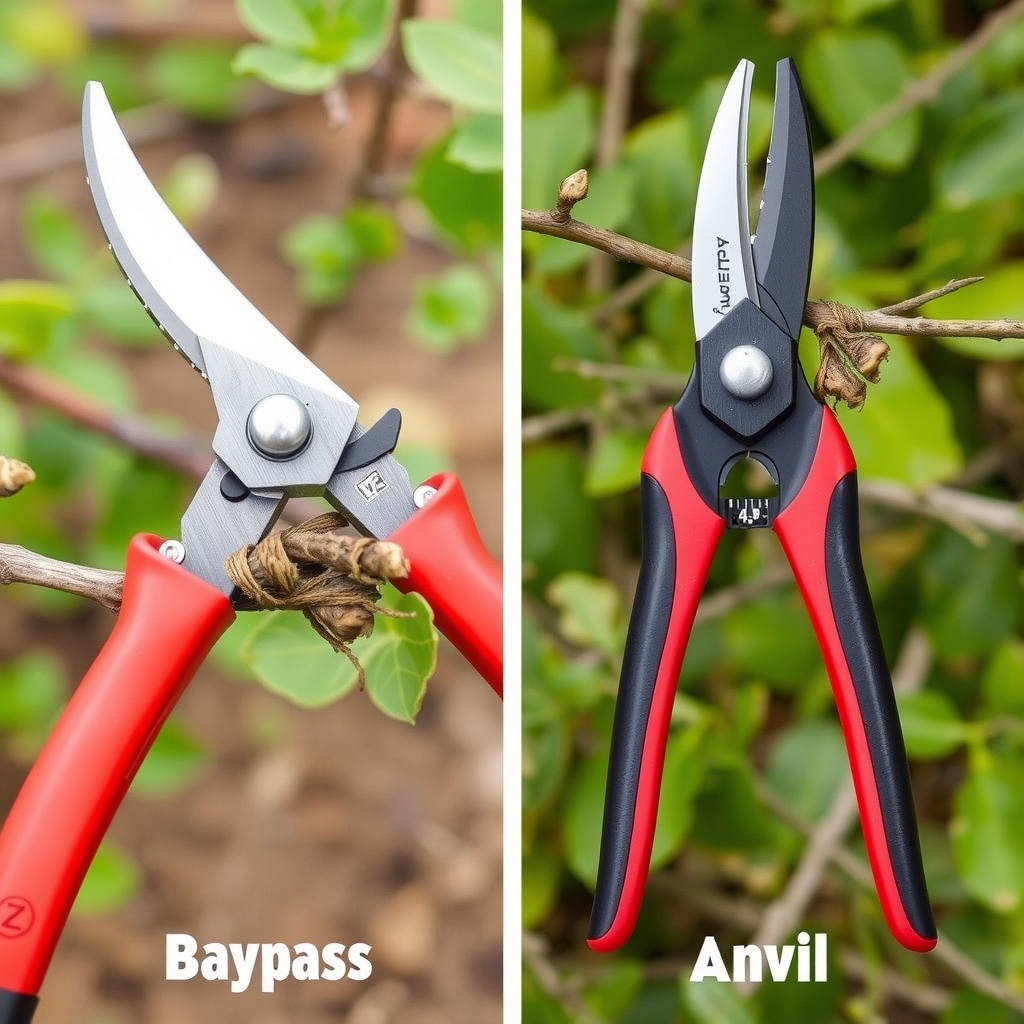
The two designs cut in completely different ways:
- Bypass pruners: Two curved blades pass each other like scissors. One blade slices while the other holds the stem steady.
- Anvil pruners: One sharp blade closes onto a flat, soft surface called the anvil. The motion is closer to a knife on a cutting board.
Both styles come in hand-held sizes. The blade design is what changes the result on the plant.
Fiskars bypass pruning shears for live stems
This is the most useful rule to remember.
- Live, green stems: Choose bypass. The scissor action makes a clean cut that heals quickly.
- Dead or dry wood: Choose anvil. The crushing action handles brittle material well.
- Roses, shrubs and flowers: Bypass is the safer choice for most ornamental pruning.
- Thick branches: Pruners of either type struggle past about three quarters of an inch. Use loppers or a saw instead.
Pros and cons of each pruner type
| Feature | Bypass | Anvil |
|---|---|---|
| Cut quality on live stems | Clean and precise | Can crush stems |
| Dead wood | Can bind or twist | Works well |
| Blade upkeep | Needs sharpening and alignment | Anvil may need replacing |
| Reach into tight spots | Narrow blade, easy access | Wider head |
5 checks before choosing Fiskars bypass pruning shears

- List your main jobs. Mostly flowers and shrubs points to bypass. Mostly cleanup of old branches points to anvil.
- Check the hand fit. Handles should open and close without strain. Small hands benefit from a ratchet or compact model.
- Look at the blade. Coated or high-carbon steel stays sharp longer and resists sap.
- Test the lock. A safety latch you can use one-handed prevents accidents.
- Read the warranty. Replaceable blades extend the life of the tool.
If you are unsure, start with a quality bypass pair. It covers most home garden work.
Match Fiskars bypass pruning shears to your garden
- Rose and flower beds: Bypass, with a slim tip for tight spots.
- Vegetable gardens: Bypass for tomato and pepper stems, since clean cuts reduce disease risk.
- Orchard and fruit trees: Bypass for live wood, plus loppers for branches.
- Overgrown yards: A second anvil pair for dead wood saves your good blades.
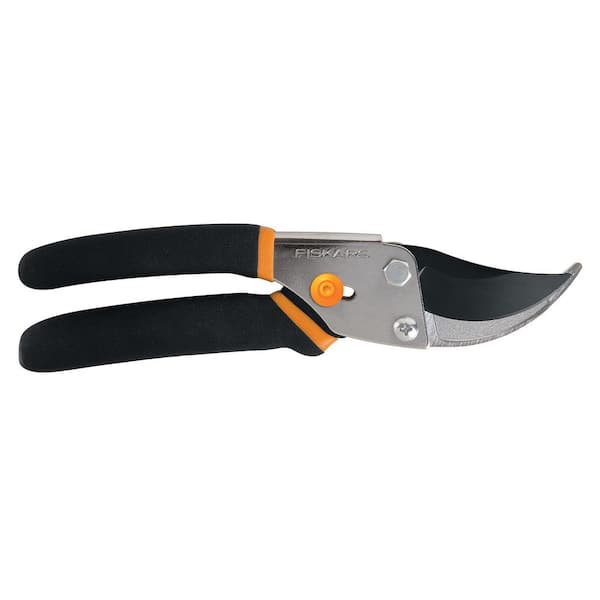
Our Fiskars bypass pruning shears review explains the identified model’s published features, limits and buying considerations. We have not personally tested it.
Common Mistakes to Avoid With bypass vs anvil pruning shears
- Using anvil pruners on green stems. The crushing cut invites rot.
- Forcing thick branches. It bends the blades and strains your hand.
- Skipping cleaning. Dirty blades spread plant disease from one plant to the next.
- Cutting at the wrong angle. Cut just above a bud at a slight slant.
Fiskars bypass pruning shears: care and maintenance
A few habits keep your bypass vs anvil pruning shears choice working for years. Wipe the blades after each session with a damp cloth. Remove sap with a little rubbing alcohol. Oil the pivot every few weeks and sharpen the blade once or twice a season. Store the pruners closed and dry. For clear, practical pruning guidance, see the Arbor Day Foundation tree care tips.
Check Fiskars bypass pruning shears before buying
Our Fiskars bypass pruning shears review covers one identified model, its published 5/8-inch cutting limit and the buying checks to run first. Read those checks before opening the product link. We don’t claim it suits every hand or every job.
Check the shears on Amazon → Read the buying checks
Amazon link is an affiliate link: as an Amazon Associate I earn from qualifying purchases, at no extra cost to you. Check the current price, size and details on Amazon before buying.
Conclusion
Choosing between bypass vs anvil pruning shears is simple once you know the rule: bypass for live growth, anvil for dead wood. Pick a comfortable, well-built pair, keep it clean and sharp, and your plants will thank you every season. Browse our related garden tool reviews for more help.
FAQs
Are bypass or anvil pruners better for beginners?
Bypass pruners. They suit most plants and make cleaner cuts on living stems.
Can I use Fiskars bypass pruning shears on dead wood?
Yes, for thin dead stems. For hard, dry wood an anvil pair or a saw is easier.
How thick can Fiskars bypass pruning shears cut?
The Classic model discussed here lists a 5/8-inch capacity. Check the exact selected model and use an appropriate lopper or saw for material beyond its stated capacity.
How often should I sharpen pruners?
Once or twice a season, or whenever cuts start to look ragged.
Do I need both types?
Not necessarily. One good bypass pair covers most gardens. Add an anvil pair for lots of dead wood.