
Lawn & Garden • Seed Starting • Updated October 29, 2026
Best Seedling Heat Mats: 6 Picks for Faster Germination
Explore related guides: Gardening in Iowa: all guides · Seed starting kits · Grow lights for seedlings · When to start seeds in Iowa.
Peppers that take three weeks to sprout, tomatoes that come up patchy: in a cool Midwest basement, the problem is usually cold soil. A seedling heat mat warms the root zone so warm-season seeds sprout faster and more evenly. This guide explains which seeds need bottom heat, what temperature to aim for, why a thermostat is worth it, and six mats and controllers sold by Amazon.com.
The short answer
Iowa State University Extension says most vegetable seeds germinate best when the seed starting mix is 70 to 75°F, and recommends electric heat mats in cool rooms. A standard 10 by 20 inch mat under one tray is enough for most home gardeners. Most mats warm the mix about 10 to 20°F above room temperature, so pair yours with a thermostat in a warm room, and take trays off the mat once most seeds have sprouted.
Which seeds need a seedling heat mat?
| Crop group | Heat mat? | Why |
|---|---|---|
| Peppers, eggplant | Yes, most helpful | Slow and uneven to sprout in cool mix |
| Tomatoes, basil | Yes | Sprout much faster in warm mix |
| Cucumbers, squash, melons | Helpful if started indoors | Warm-season crops that like warm soil |
| Most flowers | Often helpful | Check the seed packet |
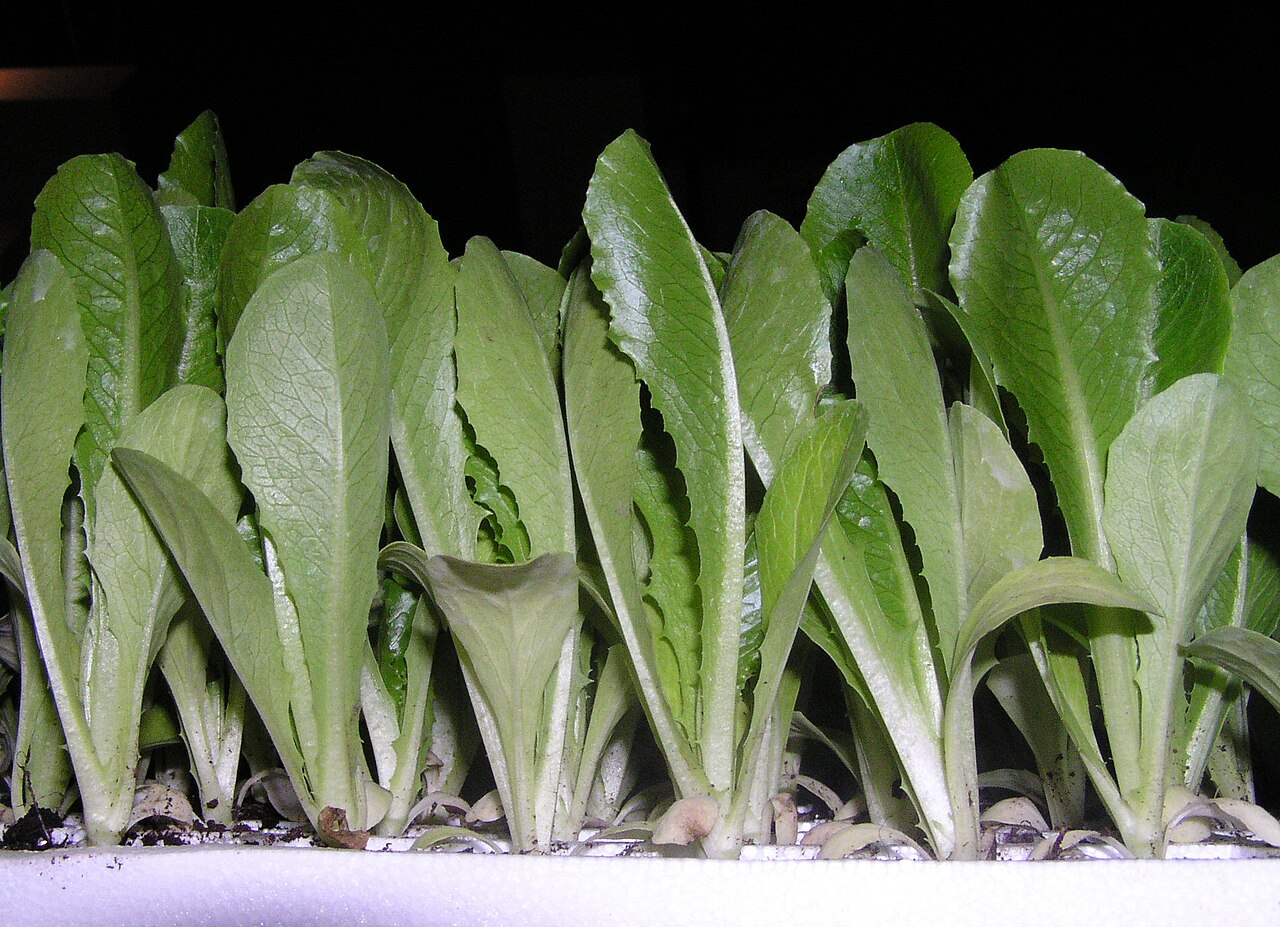
| Lettuce, spinach, cabbage family | Usually not | Cool-season crops germinate fine in a cool room |
Always check the seed packet: it lists the best germination temperature for that variety. If your house stays above about 75°F, you may not need a mat at all.
How to use a seedling heat mat
- Put it on a flat, dry surface such as a shelf or table, with the tray directly on top.
- Sow, water and cover the tray with a humidity dome, then turn the mat on.
- Check the mix daily. Warm mix dries faster; water from below when the surface looks dry.
- Turn it off or move the tray once most seeds are up. Leaving seedlings on heat after germination encourages soft, leggy growth.
- Move sprouted trays under grow lights right away. See our grow lights for seedlings guide.
- Keep cords dry and off the floor, and never fold or cut a mat.
Do you need a thermostat?
A basic mat simply raises the temperature a set amount above the room. In a 60°F basement that is perfect; in a 72°F kitchen it can push the mix above 90°F, which can cook seeds. A thermostat with a probe in the soil turns the mat on and off to hold the temperature you set. It is the best upgrade if you start several crops, and the maker of the Jump Start mats lists its thermostat as required for its mats.
For Iowa timing, most warm-season crops are started indoors in March and April. Use our Iowa seed starting calendar.
Best seedling heat mats and thermostats
All six were listed as sold by Amazon.com at the time of writing. Check the current listing before you buy.
Best overall: Hydrofarm Jump Start MT10006 Seedling Heat Mat, 17 Watt
Product pick
Hydrofarm Jump Start MT10006 Seedling Heat Mat, 17W, 8.9 x 19.5 in
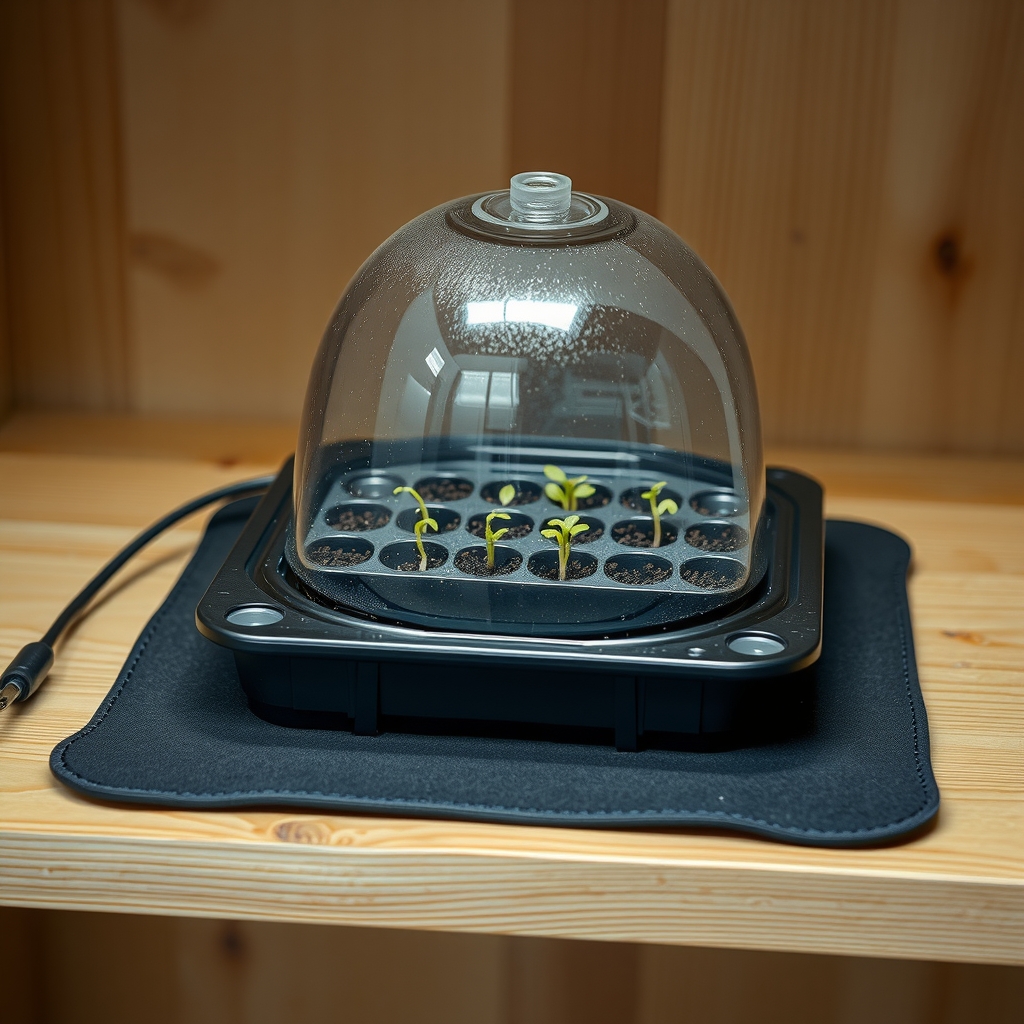
Illustrative image (AI-generated), not the exact product.
The classic single-tray mat. It warms the root zone 10 to 20°F above room temperature, has waterproof construction and a 6-foot cord, and the maker says it is 50 percent thicker than other brands. It is UL certified. Pair it with the JumpStart thermostat below if your room is warmer than about 60°F.
Best budget: iPower 10 x 20 Inch Seedling Heat Mat
Product pick
iPower 10 x 20 Inch Waterproof Seedling Heat Mat
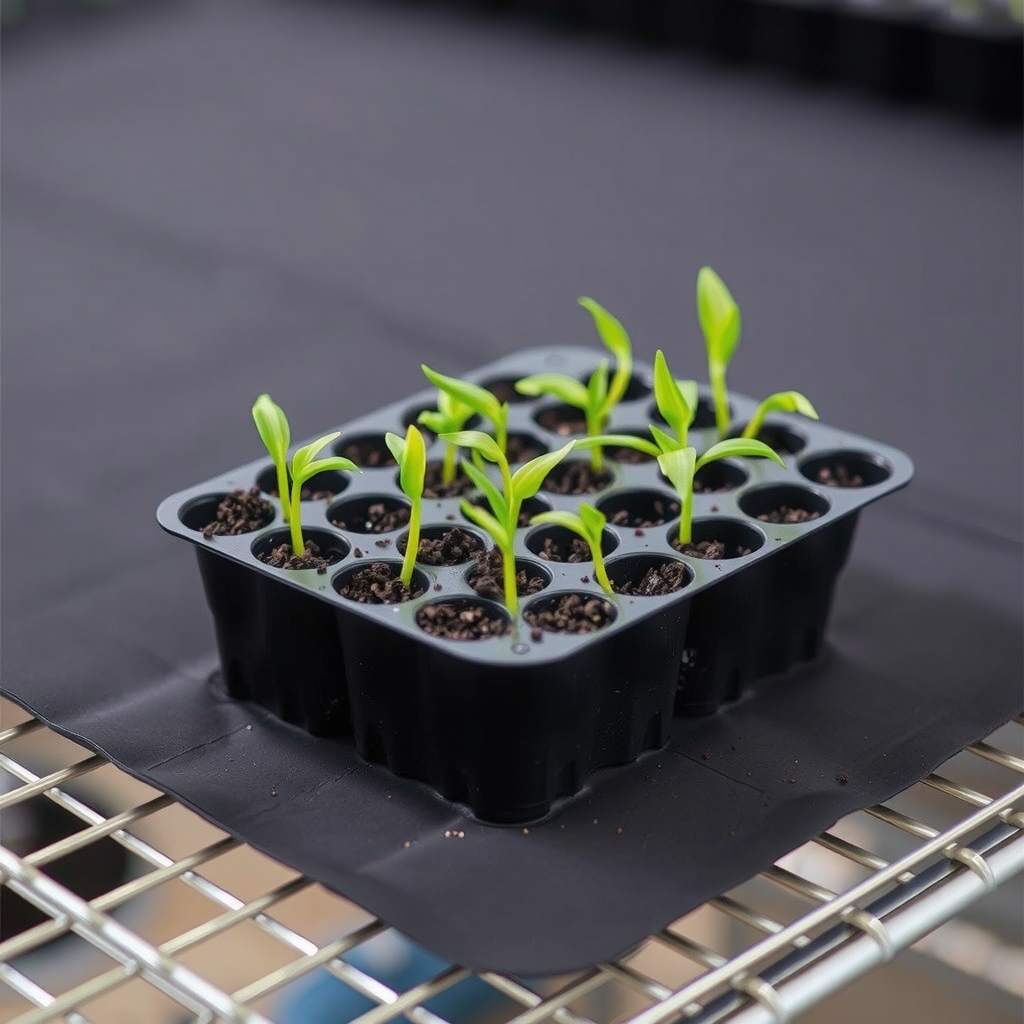
Illustrative image (AI-generated), not the exact product.
A lower-cost mat sized for a standard 10 by 20 flat. The maker says it holds the root zone 10 to 20°F above air temperature, with evenly laid heating wire and a waterproof surface that wipes clean. A good pick for a first season or a second tray.
Best combo: iPower 10 x 20.75 Inch Heat Mat and Digital Thermostat Set
Product pick
iPower Seedling Heat Mat and Digital Thermostat Combo Set
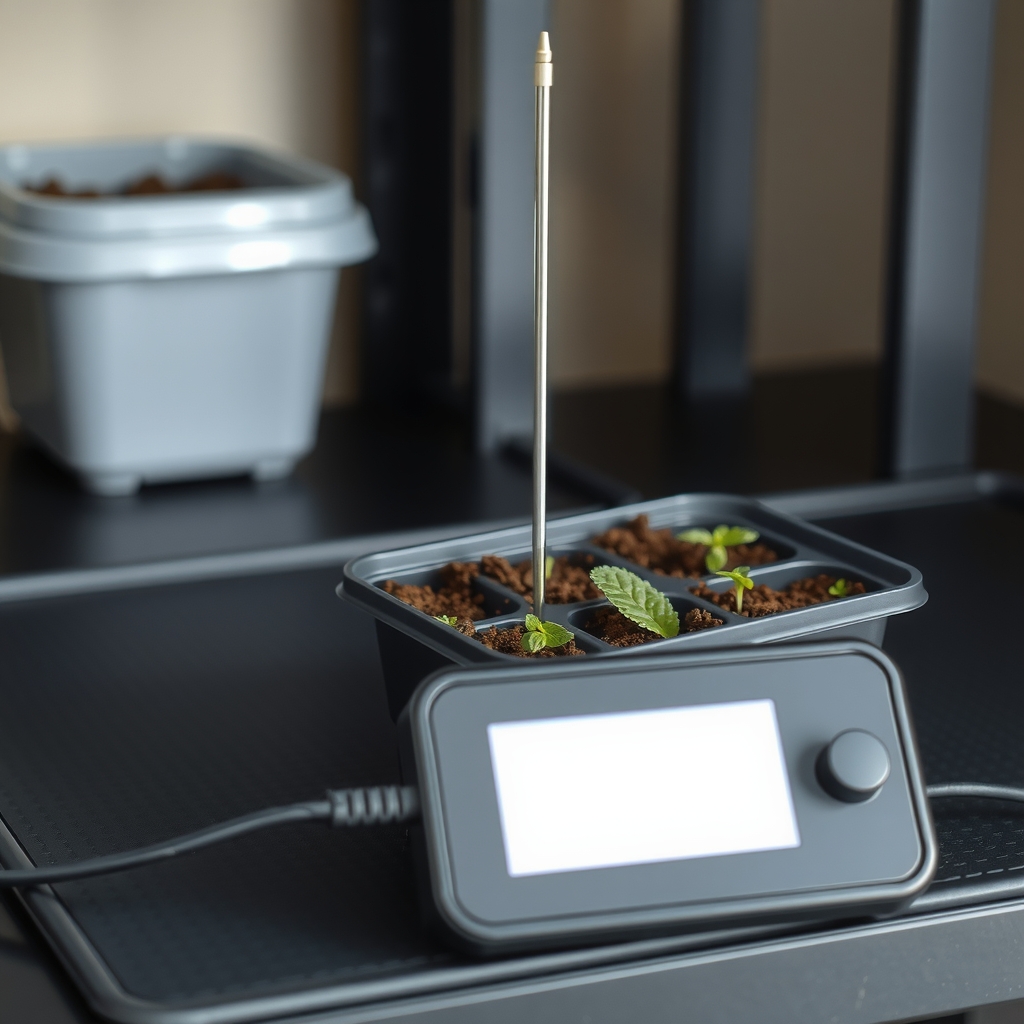
Illustrative image (AI-generated), not the exact product.
If you want one box that does it all, this set pairs a 20-watt, 10 by 20.75 inch mat with heating film for even warmth and a digital thermostat with a soil probe. Set it to the temperature on your seed packet and it holds there, which removes the risk of overheating trays in a warm room.
Thermostat upgrade: JumpStart Digital Thermostat Controller for Heat Mats
Product pick
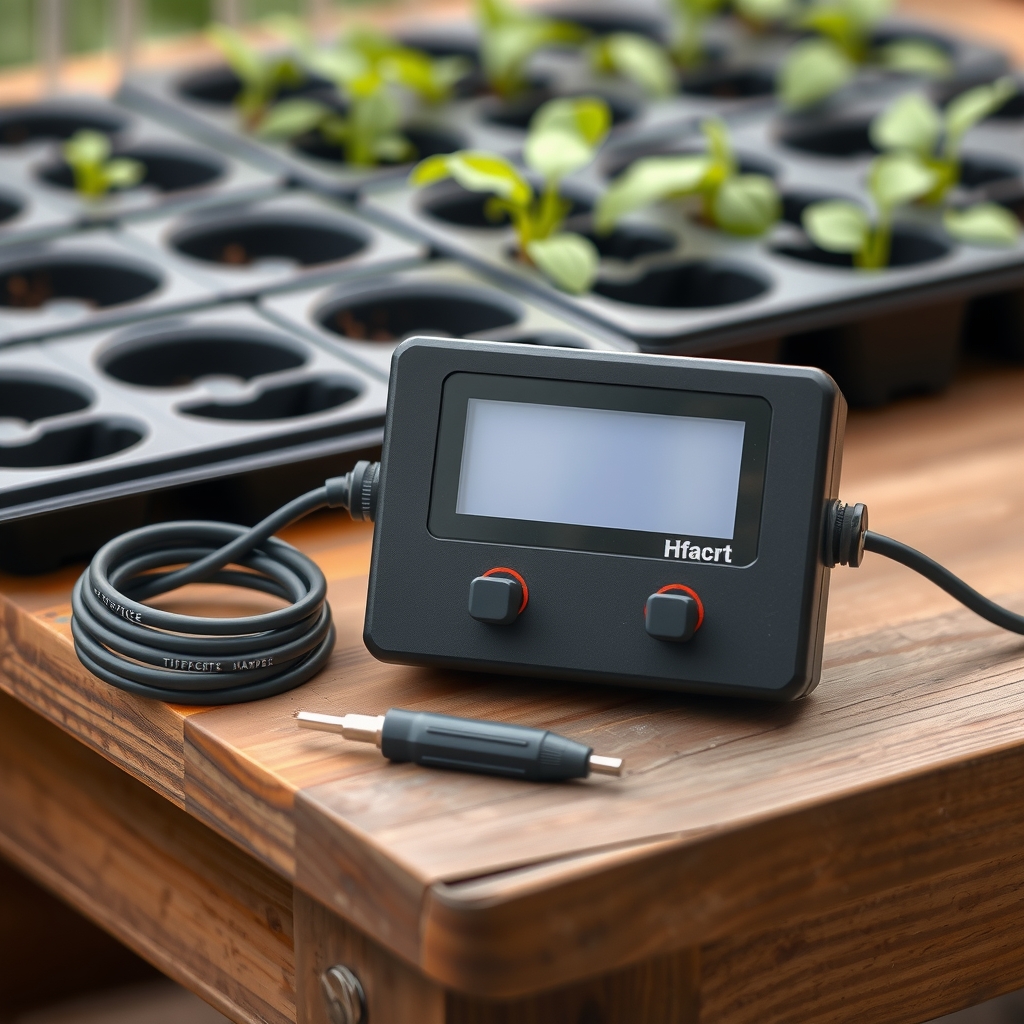
JumpStart Digital Thermostat Controller for Heat Mats
Illustrative image (AI-generated), not the exact product.
Already have a mat? This ETL-certified controller plugs in between the mat and the outlet and holds any setting from 68 to 108°F, with a choice of Fahrenheit or Celsius and an LED light that shows when it is heating. It works with Jump Start mats and most other plug-in seedling mats.
For two trays: Hydrofarm Jump Start MT10008 Heat Mat, 20 x 20 Inch
Product pick
Hydrofarm Jump Start MT10008 Heat Mat, 45W, 20 x 20 in

Illustrative image (AI-generated), not the exact product.
A square 20 by 20 inch mat holds two standard flats side by side, enough for a full spring of tomatoes and peppers for most home gardens. Same Jump Start construction and 10 to 20°F warming as the single-tray mat, with one cord and one thermostat for both trays.
For big setups: Hydrofarm Jump Start MT10009 Heat Mat, 48 x 20 Inch
Product pick
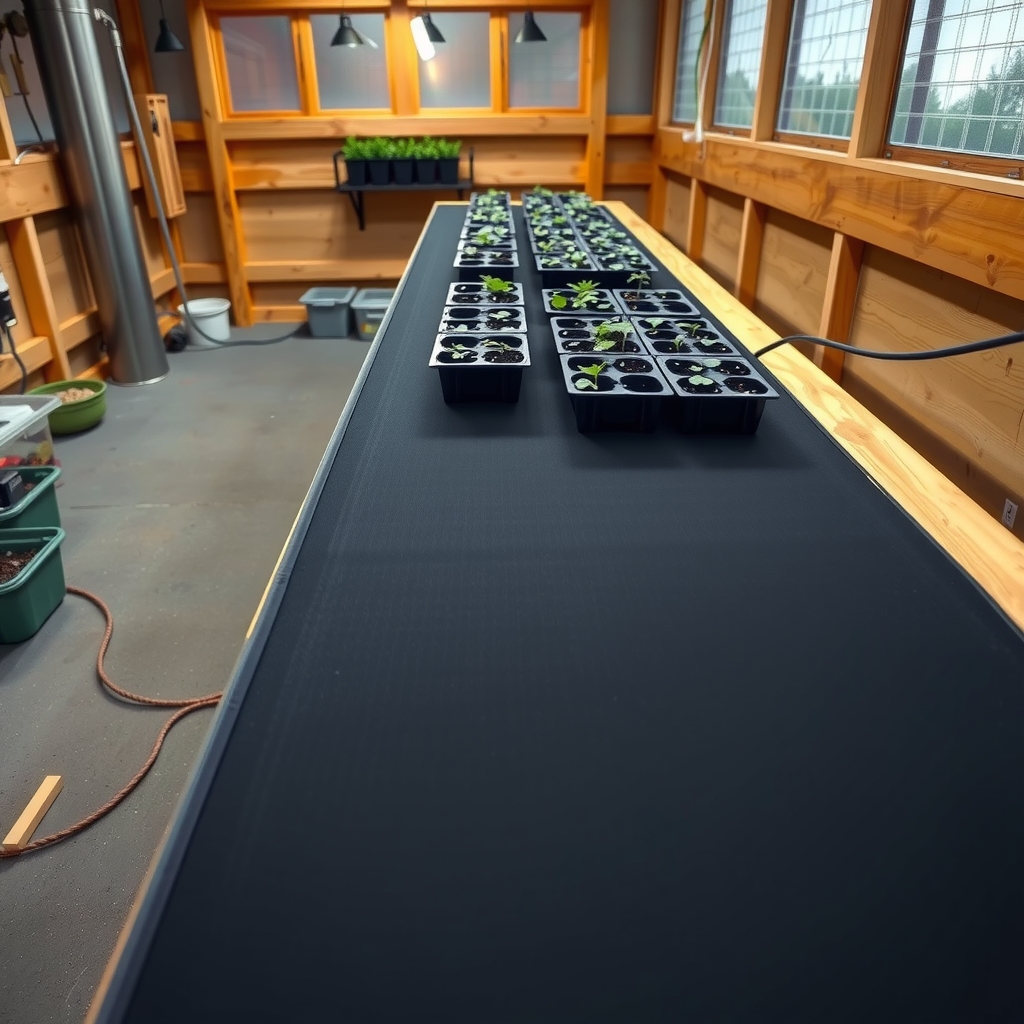
Hydrofarm Jump Start MT10009 Heat Mat, 107W, 48 x 20 in
Illustrative image (AI-generated), not the exact product.
A 4-foot mat runs under four flats on a shelf or bench, a good match for a 4-foot shop light overhead. It can be daisy-chained with add-on units for even more space. At 107 watts it uses more power, so a thermostat is strongly recommended.
Conclusion
A seedling heat mat is the simplest way to get even, fast germination for peppers, tomatoes and other warm-season crops in a cool Midwest house. Choose a mat that fits your trays, add a thermostat if your room is warm, aim for about 70 to 75°F in the mix, and move trays off the heat and under lights as soon as they sprout.
FAQs
Do I need a heat mat to start seeds?
Not always. Iowa State University Extension says most vegetable seeds germinate best at 70 to 75°F. If your room is cooler than that, a heat mat helps, especially for peppers, tomatoes and eggplant.
What temperature should a seedling heat mat be?
Aim for the temperature on the seed packet, usually around 70 to 75°F in the mix for most vegetables, a little warmer for peppers. A thermostat with a soil probe is the easiest way to hold it.
Should I leave seedlings on a heat mat after they sprout?
No. Turn the mat off or move the tray once most seeds have emerged. Extra heat after germination encourages soft, leggy growth; light matters more at that stage.
Can a heat mat overheat seeds?
Yes. Most mats add 10 to 20°F above room temperature, so in a warm room the mix can get too hot. Use a thermostat, or check the mix with a thermometer.
Can I put a heat mat under a humidity dome tray?
Yes. Set the tray with its dome directly on the mat until seeds sprout, then remove the dome and the heat.
Which seeds do not need a heat mat?
Cool-season crops like lettuce, spinach and the cabbage family usually germinate well in a cool room without bottom heat.
Sources and review scope
This guide was prepared on October 29, 2026 from the following sources and from the product listings on Amazon.com. Homingwell did not perform hands-on testing. Sellers were checked on Amazon.com on the same date.
- Iowa State University Extension – Start seeds with the right supplies
- ISU Extension Yard and Garden (via Farms.com) – Germinating and growing seedlings indoors
- Missouri Botanical Garden – Starting seedlings (bottom heat around 70°F)
- Bootstrap Farmer – How to use heat mats for starting seeds
Explore more Lawn & Garden buying guides.