
Lawn & Garden • Winter • Updated October 28, 2026
Best Snow Shovel for Midwest Winters: 6 Back-Saving Picks
Explore related guides: Gardening in Iowa: all guides · Pet-safe ice melt · Solar lights for cold climates · Garden tool storage · Winter bird feeders.
An Iowa or Midwest winter can drop light powder one week and heavy, wet snow the next. The best snow shovel is the one that lets you move that snow without hurting your back or straining your heart. This guide explains the main shovel types, the features that actually reduce strain, how to shovel safely, and six shovels sold by Amazon.com for different jobs.
The short answer
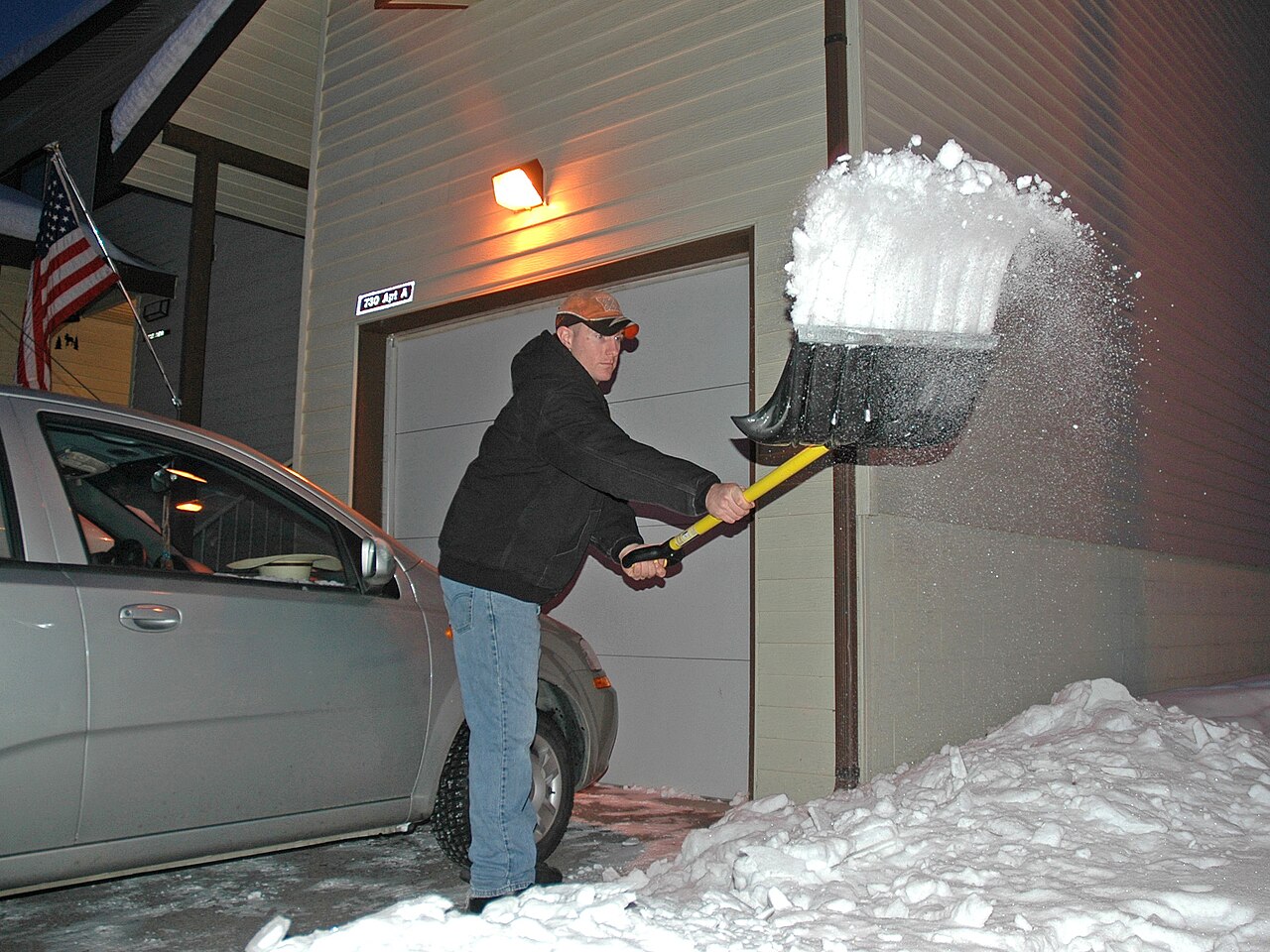
For most Midwest homes, the best snow shovel is an 18-inch combination shovel with a bent ergonomic handle and a D-grip. It can push snow when the snow is light and lift small loads when it is heavy. Add a wide pusher if you have a long driveway, and a small shovel for steps and the car. Whatever you buy, push snow instead of lifting it when you can, lift small loads, and take breaks.
Snow shovel types compared
| Type | Best for | Watch out for |
|---|---|---|
| Pusher (wide, flat blade) | Light to medium snow on driveways and long walks | Not made for lifting or tossing |
| Combo shovel/pusher | All-around use: push light snow, lift small loads | Smaller scoop than a dedicated scoop shovel |
| Ergonomic bent-handle shovel | Reducing forward bending | Harder to toss snow in some directions |
| Two-handle (strain-reducing) | People with back concerns who must lift | Takes practice; not ideal for every snow type |
| Wheeled pusher | Long, flat driveways and rural lanes | Cannot lift or toss; costs more |
| Compact shovel | Steps, decks and a car emergency kit | Too small for a whole driveway |
Features that make a snow shovel easier on your back
- Light weight. You cannot control how heavy the snow is, but you can control the weight of the shovel. Poly blades and aluminum or fiberglass shafts keep it down.
- The right length. Ergonomics guidance suggests the shovel should reach at least elbow height, and ideally closer to your chest, so you do not stoop.
- A bent shaft. University at Buffalo industrial engineering research found that bent-handle shovels reduce how far you bend your lower back. Bent shafts also suit pushing more than throwing.
- A D-grip. A D-shaped handle keeps your wrist in a more neutral position and is easier to hold in winter gloves.
- A smaller blade for lifting. A blade of about 10 to 14 inches holds less snow, which keeps each lift lighter. Save wide blades for pushing.
- A wear strip. A metal or nylon strip on the blade edge scrapes better and makes a plastic blade last longer.
How to shovel snow safely
Snow shoveling sends thousands of people to the emergency room. A national study from Nationwide Children’s Hospital estimated about 11,500 snow shovel related injuries and medical emergencies a year in the U.S. The lower back was the most commonly injured area, and heart problems, while less common, were the most serious.
- Push, do not lift, when you can. The American Heart Association says lifting heavy snow can raise blood pressure quickly, and recommends pushing snow and lifting smaller loads more often.
- Take frequent breaks and pay attention to how you feel. Cold air and hard work together add load on the heart.
- Skip the big meal and the alcohol right before or after shoveling.
- Lift with your legs. Bend your knees, keep your back straight, keep the load close to your body, and turn your feet instead of twisting your spine.
- Clear deep snow in layers. Take off a few inches at a time, or shovel during a long storm instead of waiting for it all to pile up.
- Talk to your doctor first if you have a heart condition, do not exercise regularly, or are middle-aged or older.
Stop and call 911 if you feel chest pain or pressure, pain spreading to your arm, neck or jaw, shortness of breath, or lightheadedness while shoveling.
When you finish, keep salty snow off lawns and garden beds, and use a gentle melter only where people walk. Our pet-safe ice melt guide explains how.
Best snow shovels for Midwest winters
All six were listed as sold by Amazon.com at the time of writing. Check the current listing before you buy.
Best overall: VEVOR 18-inch Poly Snow Shovel Pusher
Product pick
VEVOR 18-inch Poly Snow Shovel Pusher
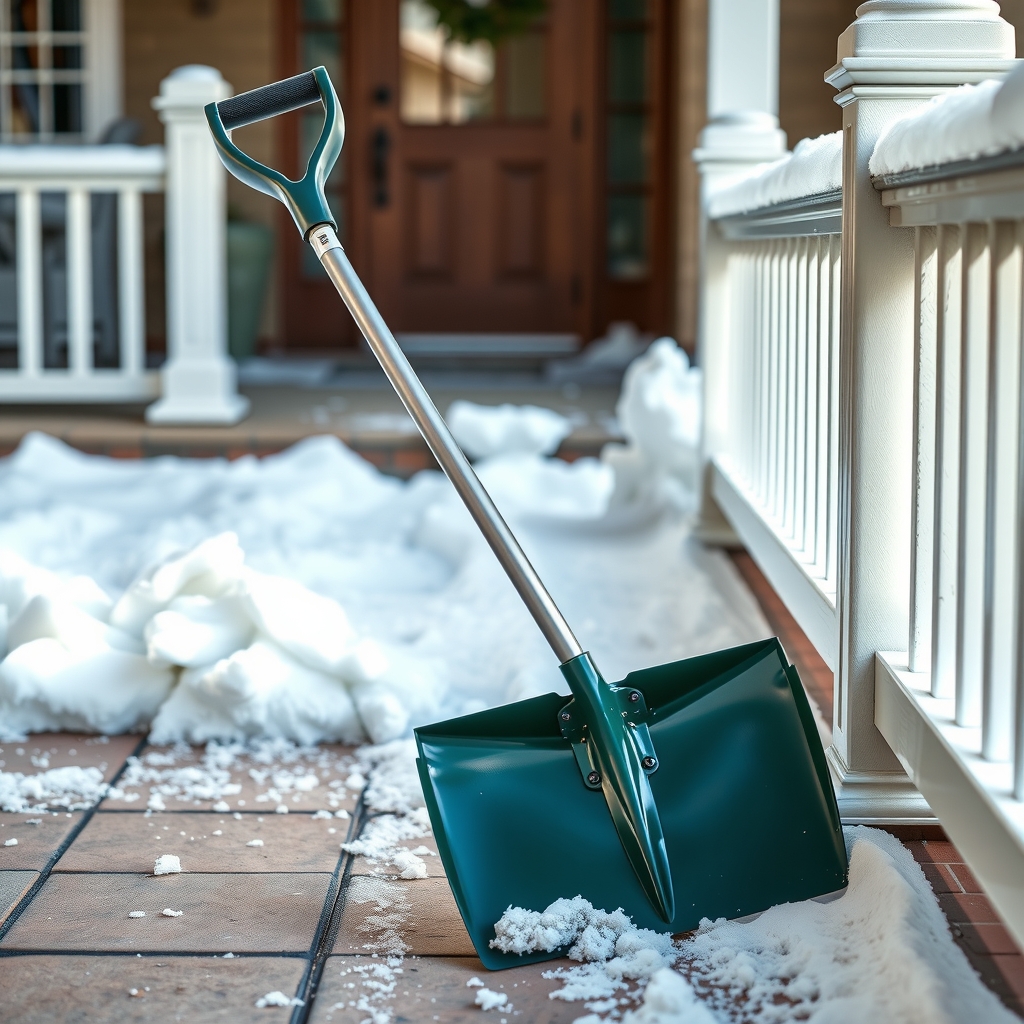
Illustrative image (AI-generated), not the exact product.
An 18-inch blade is the sweet spot for most Midwest storms: wide enough to push light snow quickly, small enough to lift a safe load when the snow is heavy. This one has a poly blade with a metal edge for scraping compacted snow and thin ice, an extended handle that stands about 55 inches tall to reduce bending, and a D-shaped non-slip grip. It assembles without tools.
For back concerns: VEVOR 18-inch Poly Snow Shovel with Assisted Handle
Product pick
VEVOR 18-inch Poly Snow Shovel with Assisted Handle
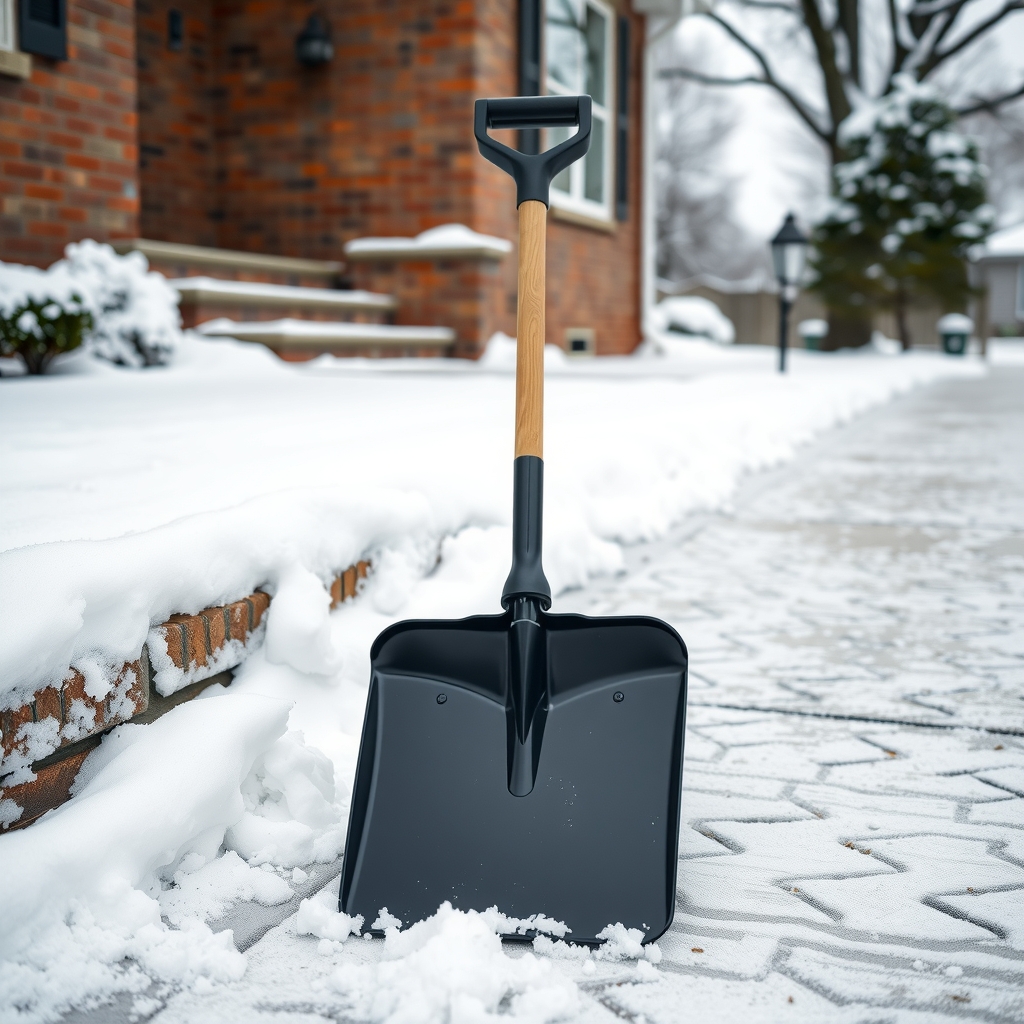
Illustrative image (AI-generated), not the exact product.
The same 18-inch poly blade and metal edge, plus an assisted handle that gives your second hand a grip partway down the shaft. Holding the shovel with both hands spread apart lets your arms and legs share the lift, which is the idea behind strain-reducing two-handle shovels. It takes a little practice, but it is worth trying if your lower back complains after shoveling.
Best pusher for driveways: VEVOR 22-inch Wide Plastic Snow Shovel
Product pick
VEVOR 22-inch Wide Plastic Snow Shovel
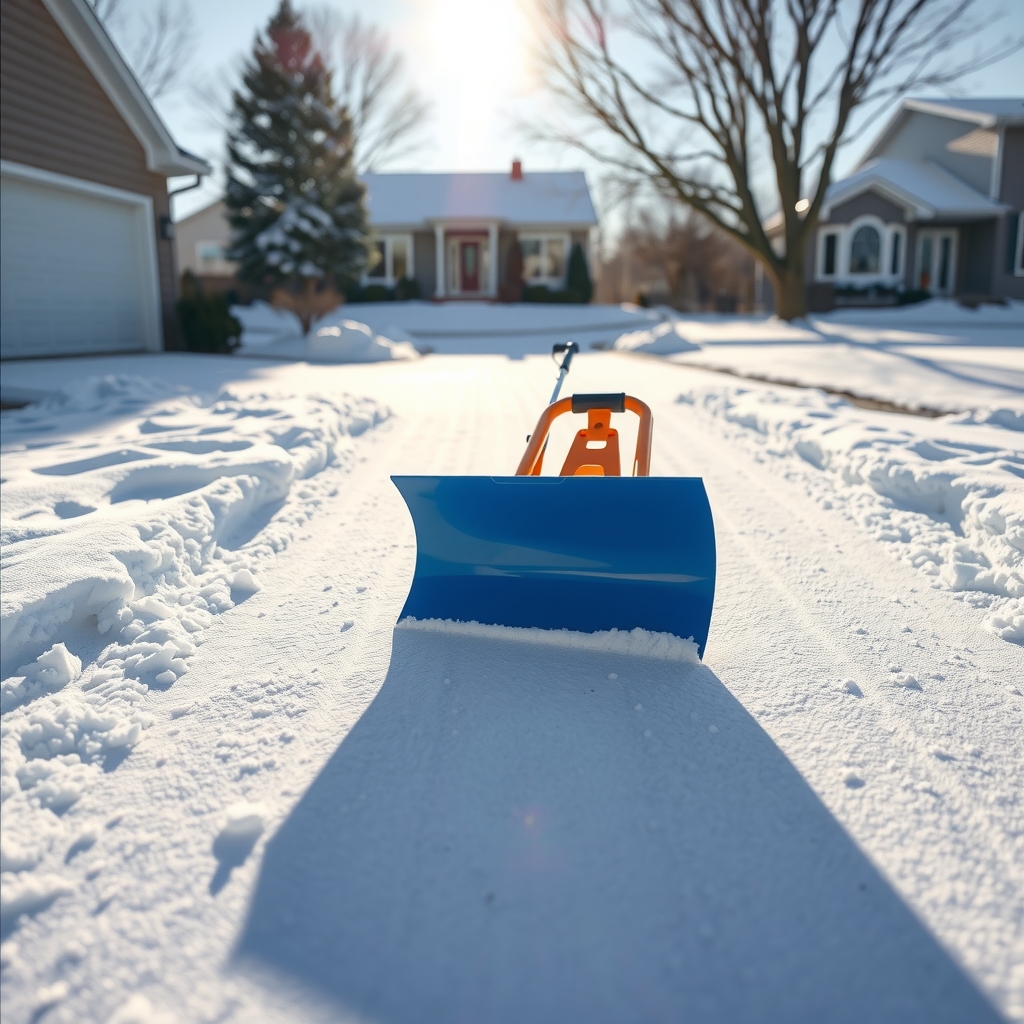
Illustrative image (AI-generated), not the exact product.
Pushing is safer than lifting, and a 22-inch blade clears a driveway or long sidewalk in fewer passes. It has a metal edge for packed snow, an extended handle and a D-grip. Use it to push light to medium snow to the edge, and switch to a smaller blade when the snow is wet and heavy, since a wide blade full of slush is too much to lift.
For long driveways: Garvee 29-inch Snow Pusher with Wheels
Product pick
Garvee 29-inch Snow Pusher with Wheels

Illustrative image (AI-generated), not the exact product.
If you have a long, flat driveway or a rural lane, wheels let you move a wide load without carrying the weight of the blade. This pusher has a 29.5-inch powder-coated steel blade with a plastic base to protect the ground, five angle settings to throw snow to either side, a height-adjustable T-grip handle and 9.3-inch rubber wheels. It cannot lift or toss snow and costs more than a shovel, so keep a small shovel for steps and edges.
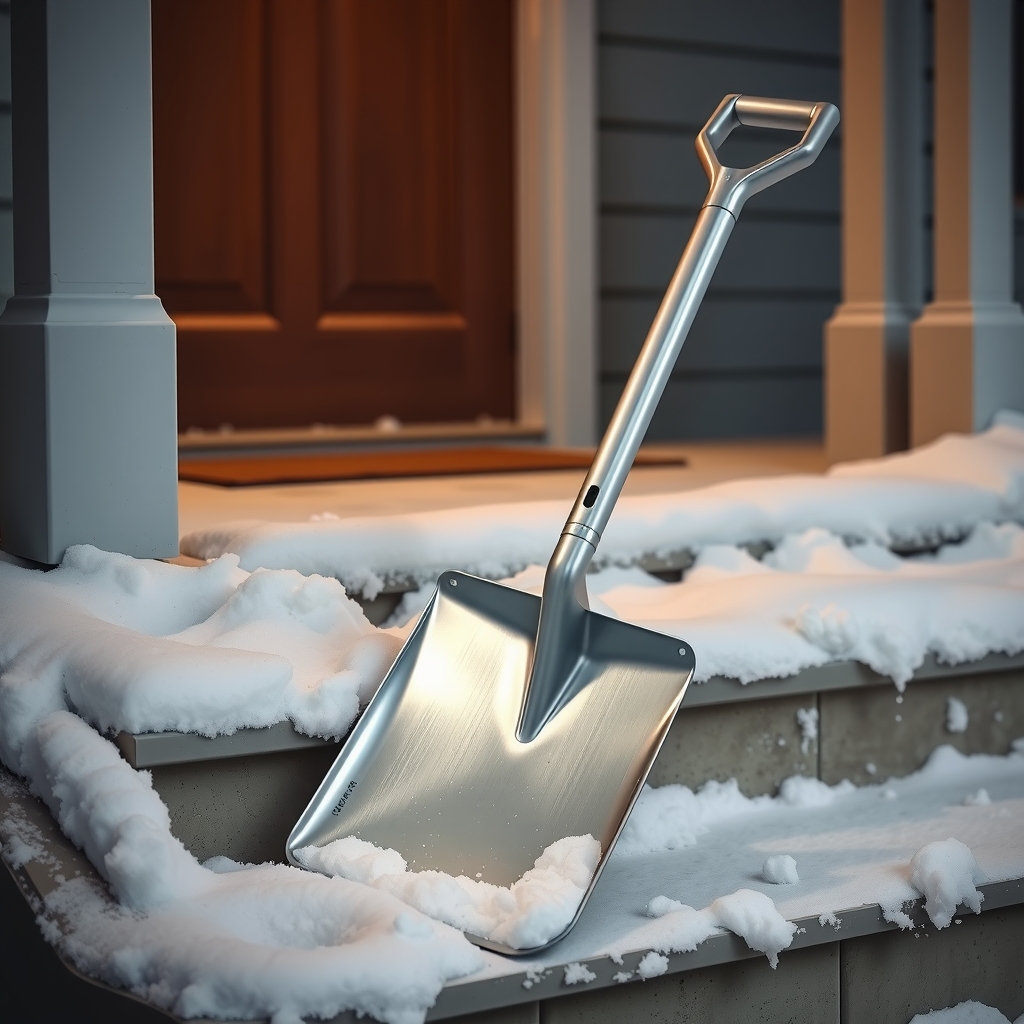
For steps and decks: VEVOR 14-inch Aluminum Snow Shovel
Product pick
VEVOR 14-inch Aluminum Snow Shovel
Illustrative image (AI-generated), not the exact product.
A narrow aluminum blade is the right tool for porch steps, decks and the tight spots a wide blade cannot reach. At 14 inches it sits right in the blade size ergonomics experts recommend for lifting, so every scoop stays light. It shares the extended handle and D-grip of the larger models.
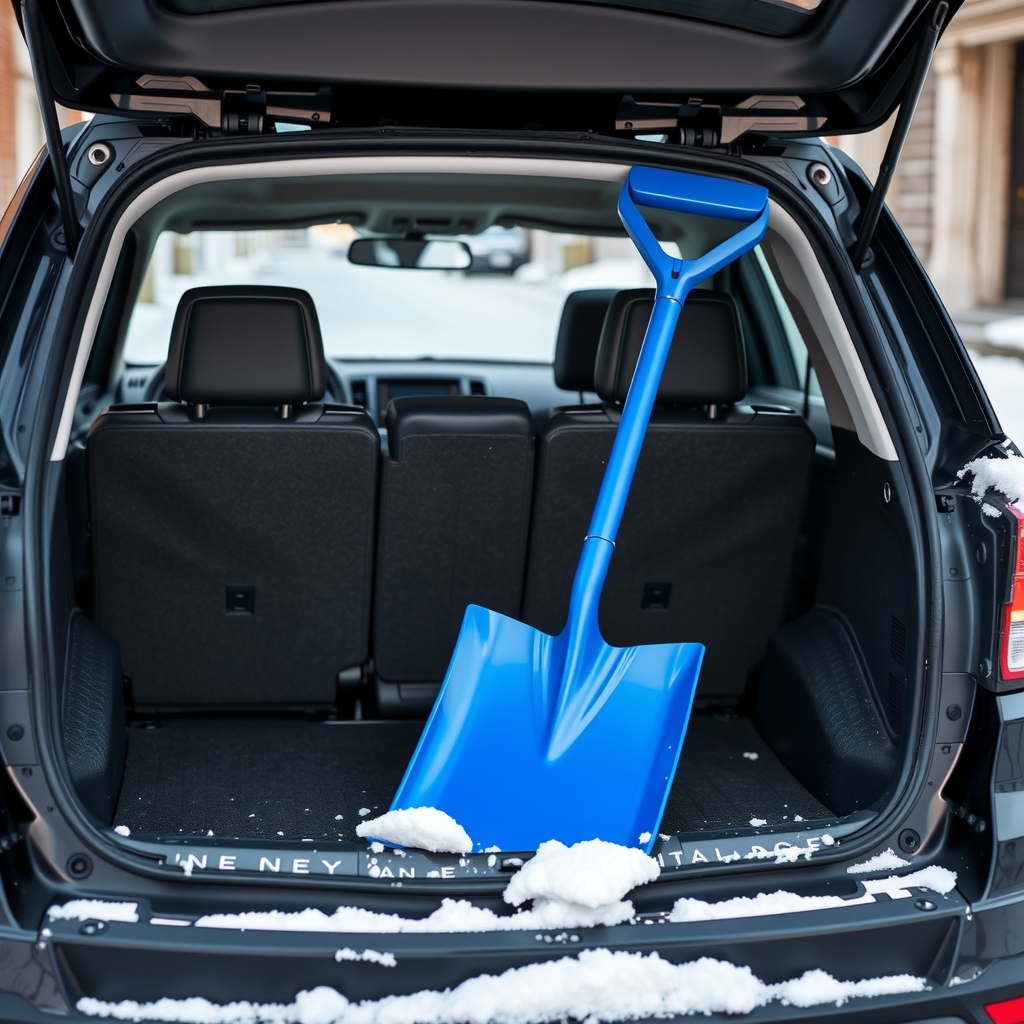
For the car: MICHELIN 40-inch Folding Utility Snow Shovel, 2-Pack
Product pick
MICHELIN 40-inch Folding Utility Snow Shovel, 2-Pack
Illustrative image (AI-generated), not the exact product.
Every Midwest car should carry a shovel in winter. This folding shovel has an 8.5 by 11 inch anodized aluminum scoop and a telescoping handle that extends to 40 inches, with dual non-slip grips. It folds small enough to fit under a seat or in an emergency kit. The 2-pack means one for each car, or one for the garage door.
Conclusion
The best snow shovel for a Midwest winter is light, the right length for you, and matched to the job: an 18-inch shovel for everyday storms, a wide pusher or wheeled pusher for long driveways, and a small shovel for steps. Push instead of lifting when you can, keep each load small, take breaks, and stop right away if you feel chest pain.
FAQs
What type of snow shovel is best for heavy, wet snow?
A shovel with a smaller blade is safer for heavy, wet snow because each scoop weighs less. A combo shovel with a bent handle, or a two-handle shovel, can also reduce strain on your back.
Are ergonomic bent-handle snow shovels worth it?
Research from the University at Buffalo found that bent-handle shovels reduce how far you bend your lower back. They work best for pushing and lifting small loads, and may feel awkward for tossing snow.
Is it better to push or lift snow?
Push when you can. The American Heart Association says lifting heavy snow can raise blood pressure quickly and recommends pushing snow and lifting smaller amounts more often.
How long should a snow shovel be?
Ergonomics guidance suggests a shovel that reaches at least your elbow, and ideally closer to your chest, so you do not have to stoop.
Is shoveling snow bad for your heart?
For most people it is fine, but cold weather and hard effort together add load on the heart. People with heart disease, high blood pressure or who do not exercise regularly should talk to a doctor before shoveling.
Should I use a plastic or metal snow shovel?
Poly blades are light and resist sticking and rust, which is why most ergonomic shovels use them. A metal wear strip on the edge helps the blade scrape better and last longer.
Sources and review scope
This guide was prepared on October 28, 2026 from the following sources and from product listings. Homingwell did not perform hands-on testing.
- American Heart Association – Snow shoveling health hazards
- Nationwide Children’s Hospital – National study of snow shoveling injuries
- American Journal of Emergency Medicine – Snow shovel related injuries and medical emergencies (PDF)
- University at Buffalo – Research on bent-handle snow shovels
- Beacon Mutual – How to choose the right snow shovel (ergonomics)
Explore more Lawn & Garden buying guides.