
Furniture • Small-room buying guide
Storage Ottoman vs Storage Bench for a Small Room
A storage ottoman and a storage bench can both hide everyday clutter, but their labels tell you less than their dimensions and opening method. For a small room, compare the space each occupies while closed, while in use and while you access the contents. The right choice should solve a storage problem without creating a circulation problem.
This guide offers planning advice, not a hands-on furniture test. As an Amazon Associate I earn from qualifying purchases. Reviews linked from this page contain affiliate links.
Decide which job matters most
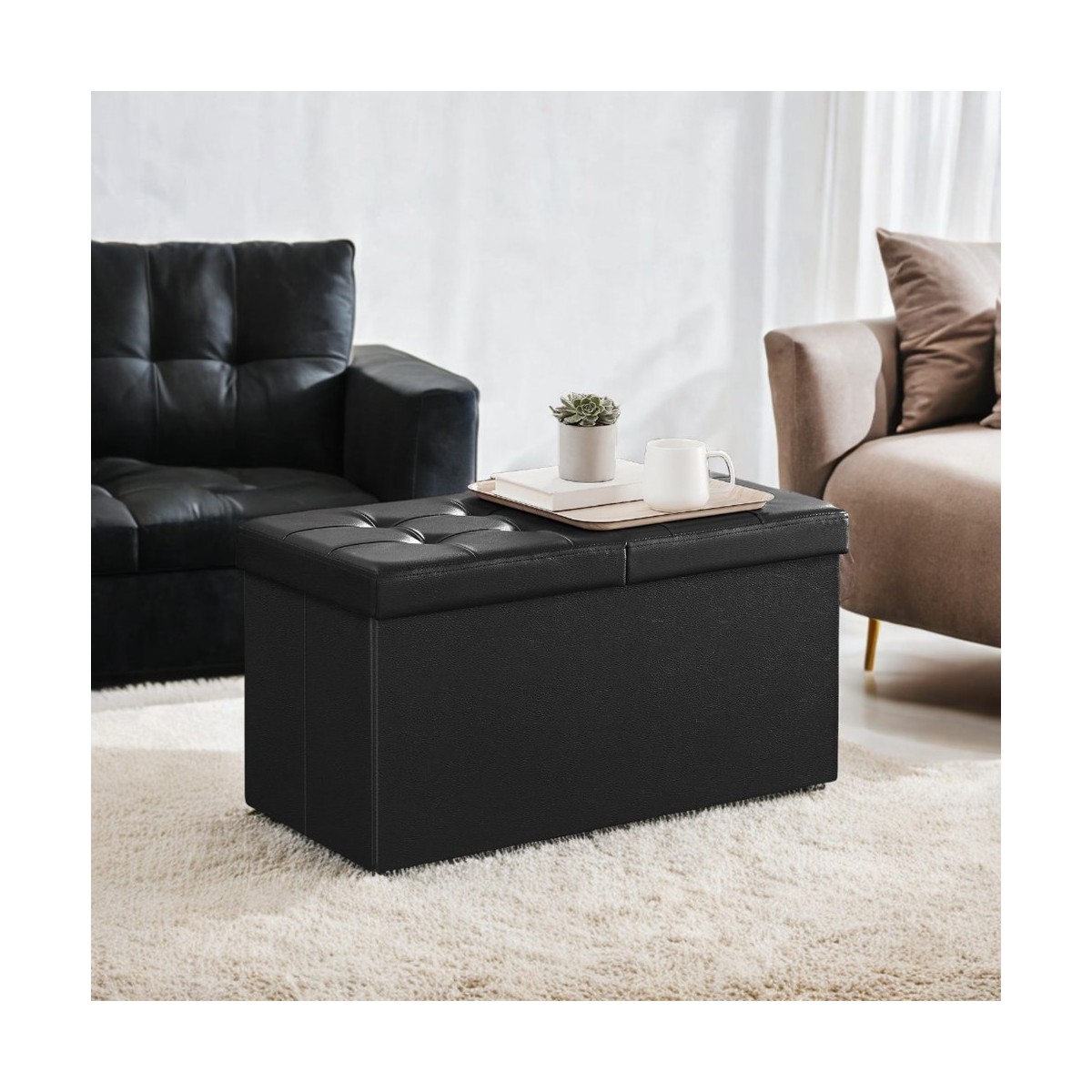
Write down the main purpose: storing blankets, resting your feet, sitting to put on shoes, or providing an occasional extra seat. These are different jobs. Do not assume a padded lid is approved for seating or that a bench is an appropriate step to reach a shelf. Check the exact product’s intended uses and load instructions.
Quick recap: storage ottoman vs storage bench
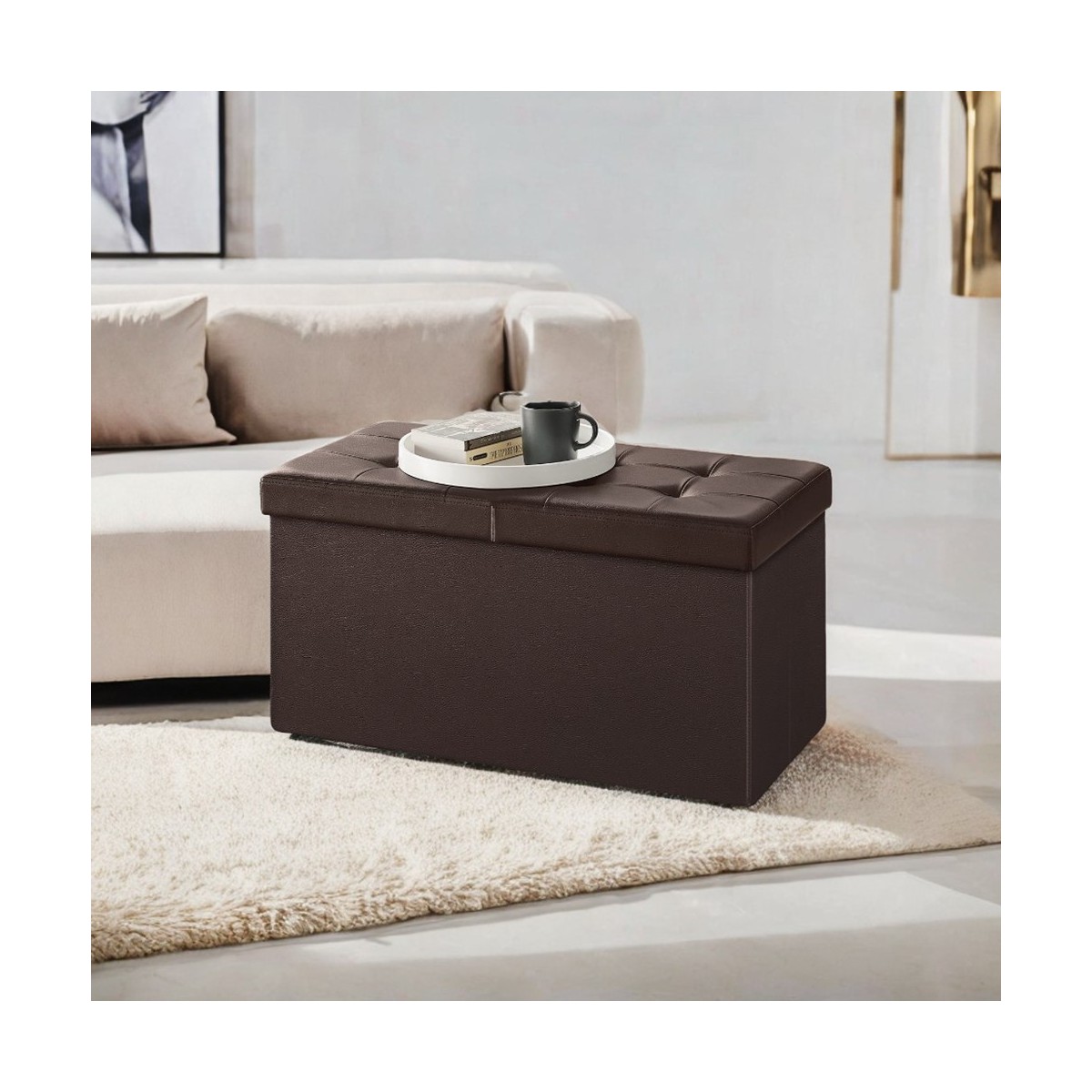
When it comes to storage ottoman vs storage bench, the best choice depends on your space, your budget and how you use it every day. Write down your key measurements, compare the features that matter to you, and choose the option that fits comfortably.
Use this storage ottoman vs storage bench guide as a checklist, and come back to it whenever your needs change. A short, honest comparison of storage ottoman vs storage bench now saves you from a costly return later.
Before you decide, review your storage ottoman vs storage bench notes once more. Keep a simple storage ottoman vs storage bench checklist next to your tape measure.
A careful storage ottoman vs storage bench routine takes minutes and prevents mistakes. Share this storage ottoman vs storage bench guide with anyone helping you choose.
Revisit the storage ottoman vs storage bench steps above if your room or budget changes. Small habits make storage ottoman vs storage bench decisions faster and easier.
For general background, see U.S. Consumer Product Safety Commission.
Next, list the items to store and how often you need them. Bedding accessed weekly may suit a different opening arrangement from shoes needed twice a day. If you must clear objects off the lid every time, the storage may be less convenient than an open shelf.
Compare shape rather than product names
Ottomans often appear in seating areas as footrests, while benches are often positioned along a wall or at the end of a bed. These are layout ideas, not fixed product definitions. Some ottomans are long and rectangular; some benches have upholstered lift-up storage.
IKEA’s storage-bench collection and EKTORP storage footstool illustrate the overlap. Use actual measurements and opening details when comparing formats across brands.
Mark the closed footprint on your floor
Measure width and depth, then mark the proposed outline with paper or removable markers appropriate for your floor. Include any projecting feet or trim. Walk around the outline, open nearby doors and pull out drawers. Check the room in its normal occupied arrangement rather than with all other furniture pushed away.
For a footrest, consider its height relative to your seat and your preferred posture. For a bench near a bed, check that you can still access bedding and pass around the end. There is no single clearance number in this guide: the usable space depends on your room, movement and furniture instructions.
Measure the opening, not only the closed size

A hinged lid needs room to move. A removable top needs somewhere to rest, and an upholstered top may be inconvenient to handle repeatedly. Ask whether the lid stays supported as intended or requires you to hold it; never infer a safety mechanism from a product photograph.
Consider who will access the contents. Follow the manufacturer’s warnings around hinges, lids and children. Furniture storage should not be treated as a play enclosure. If important opening or safety information is missing, obtain the instructions before purchase.
Usable capacity is different from outside volume
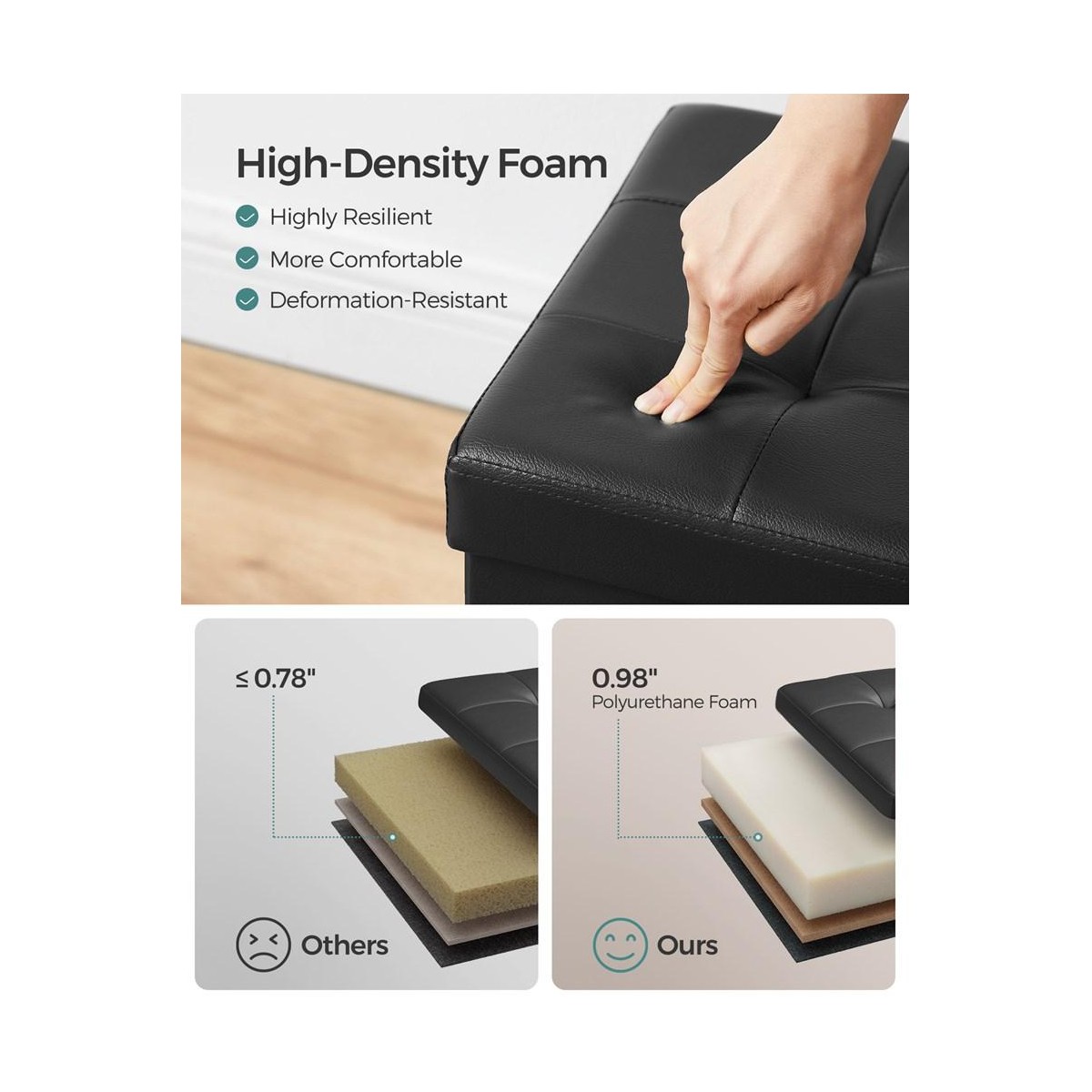
External measurements include the frame, padding, base and lid. Look for internal dimensions and the size of the access opening. A long compartment can still have an opening too narrow for the item you want to put inside.
For a practical comparison, measure one folded blanket stack or the actual box you intend to store. Check whether internal dividers interfere with it. Avoid calculating a large storage figure from the outer dimensions and treating that as available capacity.
Folding construction and fixed frames
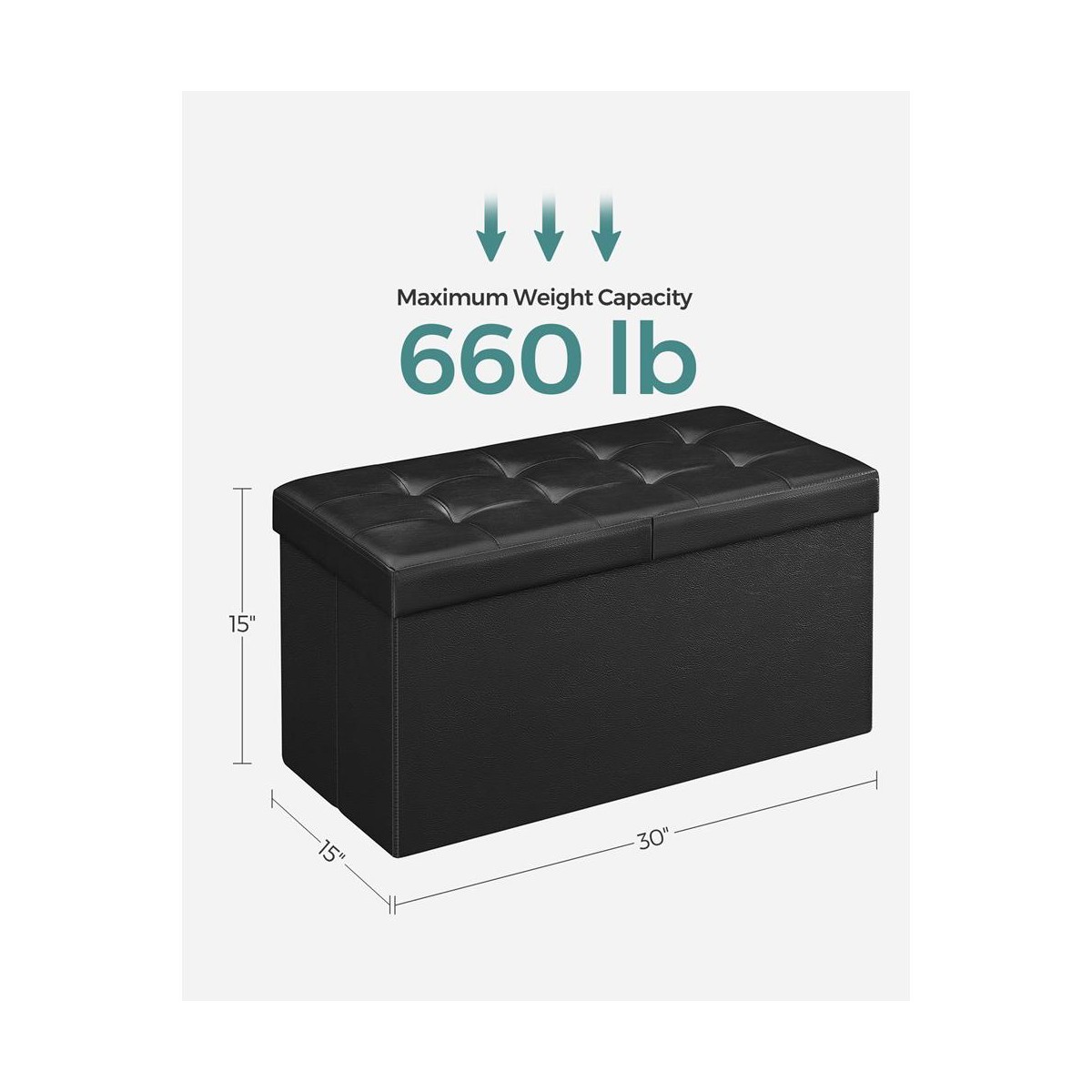
A folding design may be useful when you want to store the furniture itself, but check the assembly sequence and whether a separate base panel must be fitted before use. A fixed frame removes that particular setup step, yet may be harder to move through a doorway. Neither construction method alone proves durability or seating comfort.
Compare cleaning instructions, removable covers, replacement parts and the surface your room requires. Light upholstery, pet hair and everyday footwear create different maintenance demands. Select a finish you can maintain using the approved method rather than assuming every fabric can be machine-washed.
Before buying: resolve these five questions
Does the closed footprint fit? Can the lid open fully? Do the actual contents pass through the opening? Is the furniture approved for your intended use? Can the delivered package reach the room, and can it be returned under the seller’s terms if unsuitable?
For a specific folding example, read our SONGMICS storage ottoman review. It assesses one identified model; compare its current instructions and dimensions with your own measurements. If the project also includes a sitting area, our MAXYOYO accent chair assessment covers another piece to measure independently.
Common questions: storage ottoman vs storage bench
Can every storage ottoman be used as a seat?
No. Verify the intended use and load instructions for the exact product rather than relying on its padded appearance.
Which format saves more space?
The one that fits your layout and access needs. Compare the full footprint, lid movement and usable capacity; the name does not establish a winner.
Explore the Furniture buying guides for more room-planning advice.