
Lawn & Garden • Pruning Tools • Updated October 30, 2026
Best Pruning Shears for Shrubs, Roses and Fruit Trees (2026)
Explore related guides: Best loppers · When to prune fruit trees in Iowa · Bypass vs anvil pruners · Gifts for gardeners under $50.
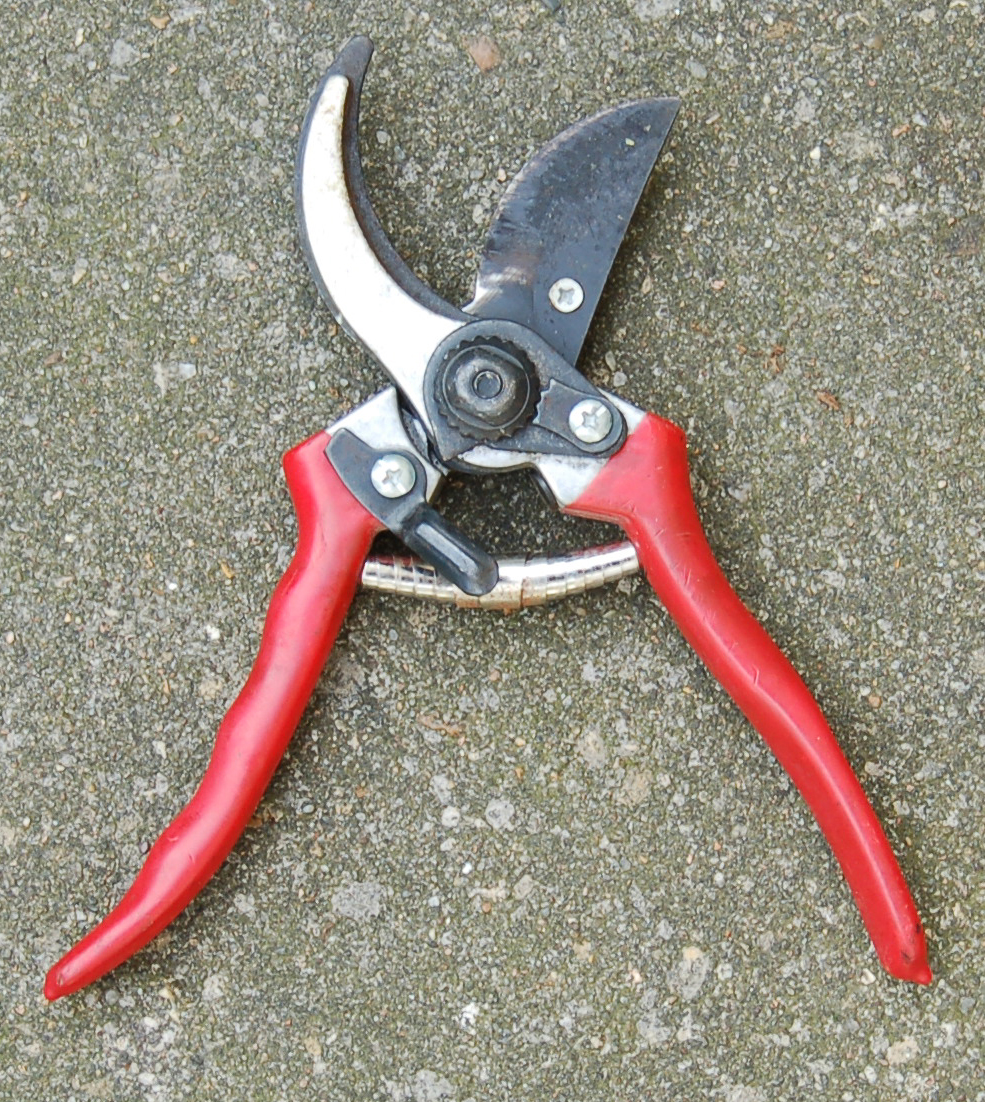
A good pair of hand pruners is the garden tool you will reach for most: deadheading, shaping shrubs, cutting back perennials and pruning fruit trees. The best pruning shears for you depend on the blade type, the stem size you cut and how the tool fits your hand. This guide explains each choice using university extension advice, then lists seven pruners that were sold by Amazon.com when we checked.
Quick picks
| Best for | Pruner | Type | Listed capacity |
|---|---|---|---|
| Best overall | Fiskars PowerGear2 | Geared bypass | 3/4 in |
| Budget, left or right hand | Fiskars SoftGrip | Bypass, ambidextrous | 5/8 in |
| Heavy-duty | Fiskars Forged Steel | Forged bypass, replaceable blade | 1 in |
| Classic forged | Corona BP 3180D | Forged bypass, sap groove | 1 in |
| Small hands | Felco F14 | Compact, forged aluminum | See listing |
| Weak grip, arthritis | Corona Ratchet Pruner | Ratchet | 3/4 in |
| Dead wood | Fiskars Power-Lever Anvil | Anvil | 5/8 in |
Bypass, anvil or ratchet?
- Bypass pruners cut like scissors: a curved, sharpened blade slides past a hooked jaw. University of Maryland Extension calls them superior to anvil pruners because they reduce tearing and crushing of plant tissue, and NC State Extension notes they make clean cuts and fit into tight branch angles. Choose bypass for live stems: roses, shrubs, perennials, fruit trees.
- Anvil pruners press a straight blade onto a flat anvil. They need less effort on hard, dry wood but can crush live stems, so keep them for dead growth.
- Ratchet pruners latch between squeezes, so you can cut a thicker stem in several small steps. NC State Extension points out that this means less hand strain, which helps if you have limited grip strength.
Match the pruner to the stem size
NC State Extension recommends hand pruners for small limbs, typically under 1/2 inch. Many pruners are listed at 5/8 to 1 inch, but that is a maximum. A simple test from NC State: if you have to squeeze hard, the stem is too big, and forcing the cut can damage both the plant and the tool. Move up to loppers for 1/2 to 1-1/2 inch branches and to a pruning saw beyond that.
| Stem or branch | Tool |
|---|---|
| Flower stems, deadheading, herbs | Snips or light bypass pruners |
| Up to about 1/2 inch | Bypass hand pruners |
| 1/2 to 3/4 inch | Geared, forged or ratchet pruners |
| Over 3/4 inch | Loppers or a pruning saw |
Fit and features that matter
- Fit your hand. NC State Extension advises choosing a pruner that fits your hand and has a slim cutting head. If the handles open wider than your hand can comfortably close, you will tire fast. Smaller and lighter models suit smaller hands.
- Blade steel and replaceable parts. Hardened steel holds an edge longer. Forged pruners like the Corona BP 3180D and the Fiskars Forged model are built to be sharpened, and the Fiskars blade can be replaced.
- Coatings and sap grooves. Low-friction coatings and sap grooves reduce sticky buildup when you cut green wood.
- Left-handed? Look for an ambidextrous design like the Fiskars SoftGrip.
- Safety lock. A lock you can work with one hand keeps the blades closed in a pocket or tool belt.
The 7 best pruning shears (sold by Amazon.com)
1. Best overall: Fiskars PowerGear2 Bypass Pruning Shears
Best overall
Fiskars PowerGear2 Bypass Pruning Shears, 3/4-Inch Cut
Illustrative image (AI-generated), not the exact product.
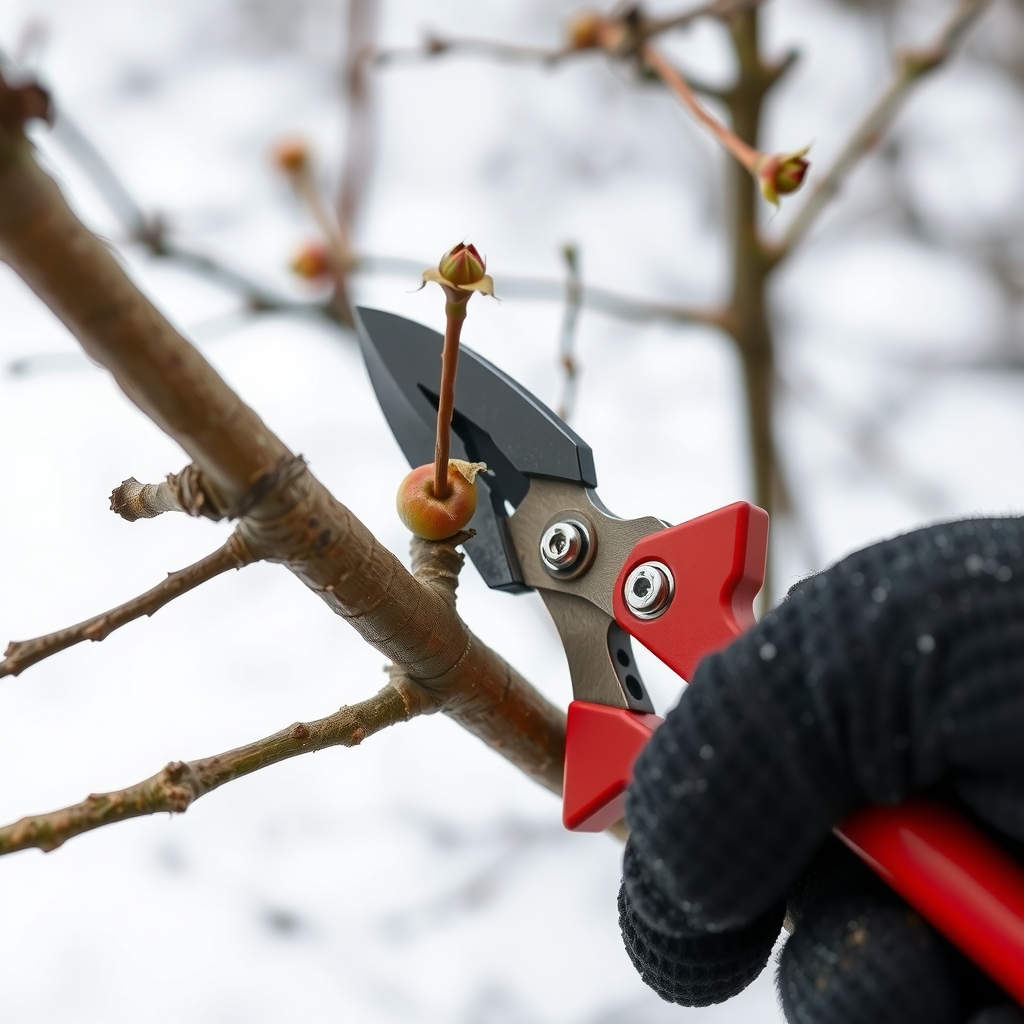
Fiskars’ PowerGear2 mechanism multiplies cutting power, so 1/2 to 3/4 inch stems take noticeably less squeeze than with a basic pruner. Fiskars lists fully hardened bypass steel blades and a contoured rolling handle that moves with your hand to reduce fatigue.
Good for: fruit trees, shrubs, most yard pruning. Skip if: you mostly deadhead flowers.
2. Best budget: Fiskars SoftGrip Bypass Pruning Shears
Best budget
Fiskars SoftGrip Bypass Pruning Shears, 5/8-Inch Cut

Illustrative image (AI-generated), not the exact product.
A light, simple bypass pruner for live stems up to 5/8 inch. Fiskars lists an ambidextrous shape that works for left- and right-handed gardeners, a hardened precision-ground blade and a low-friction, rust-resistant coating.
Good for: roses, perennials, deadheading, left-handed gardeners. Skip if: you cut a lot of woody stems.
3. Best heavy-duty: Fiskars Forged Steel Bypass Pruning Shears
Heavy-duty
Fiskars Forged Steel Bypass Pruning Shears, 1-Inch Cut
Illustrative image (AI-generated), not the exact product.
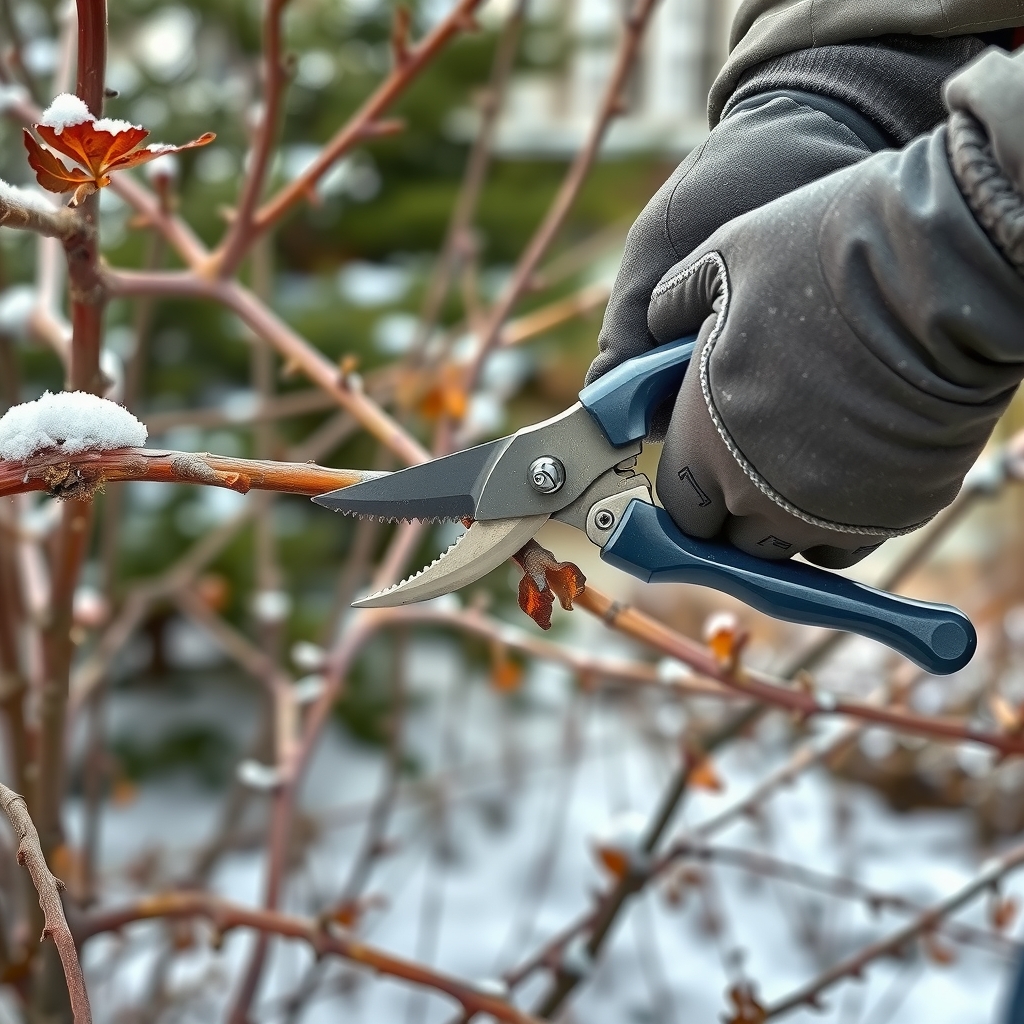
Forged steel construction and a 1-inch listed capacity for tougher, more frequent pruning. Fiskars lists a hardened blade that can be sharpened or replaced, which makes this a long-term tool rather than a disposable one.
Good for: heavy shrub work, orchards, frequent pruning. Skip if: you have small hands or a weak grip.
4. Best classic forged: Corona BP 3180D Forged Bypass Pruner
Classic forged
Corona BP 3180D Forged Classic Bypass Pruner, 1-Inch Cut
Illustrative image (AI-generated), not the exact product.
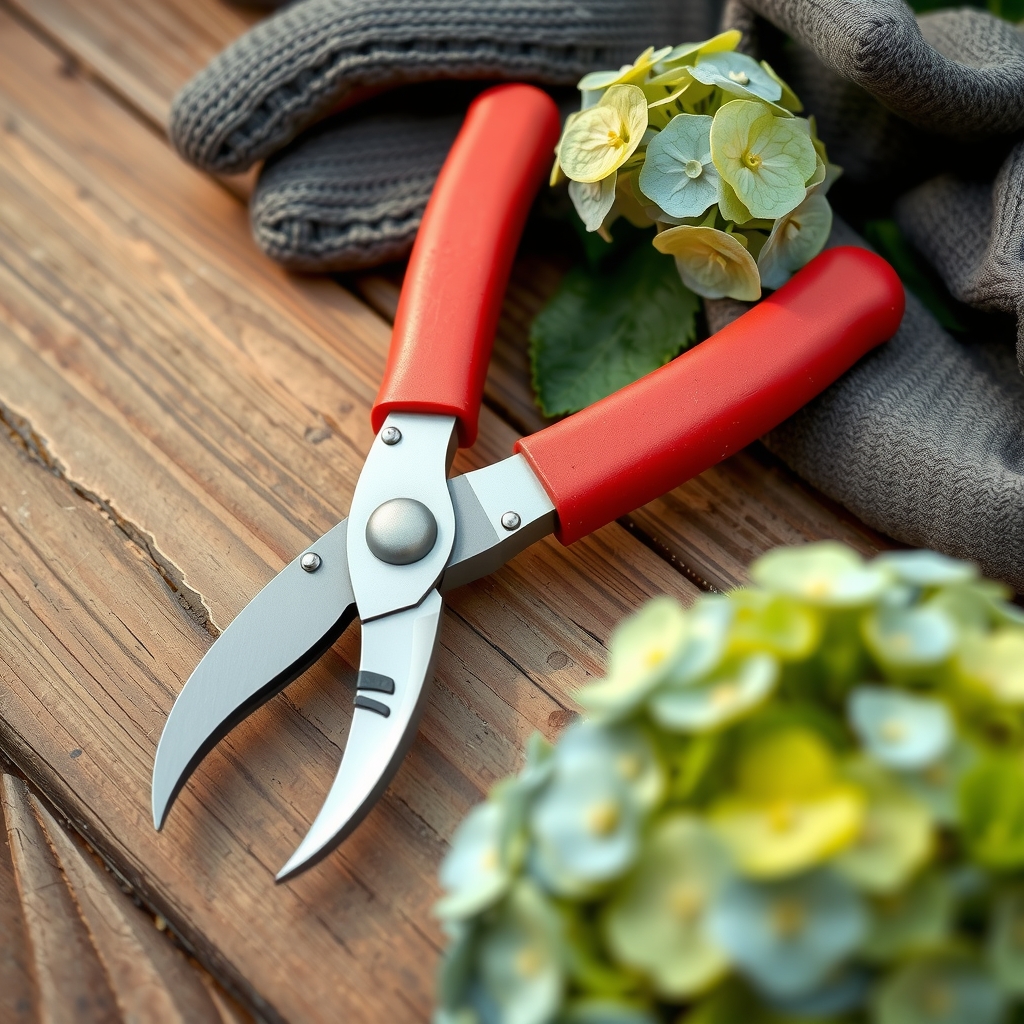
A traditional forged bypass pruner with a listed 1-inch capacity. Corona lists a forged steel blade, contoured non-slip handles and a sap groove that helps stop sticky buildup when cutting green wood.
Good for: everyday pruning, gardeners who sharpen their tools. Skip if: you want a geared or ratchet assist.
5. Best for small hands: Felco F14 Pruning Shears
Small hands
Felco F14 Pruning Shears, 7.1-Inch, for Small Hands

Illustrative image (AI-generated), not the exact product.
Felco is known for long-lasting Swiss pruners, and the F14 is its compact 7.1-inch model for small hands. Felco lists forged aluminum handles with a lifetime warranty, carbon steel blades, replaceable parts and a rubber bumper. It costs more than the others here.
Good for: small hands, gardeners who want a tool for decades. Skip if: you are on a tight budget.
6. Best for a weak grip: Corona Ratchet Hand Pruner
Ratchet
Corona Tools Ratchet Hand Pruner, 3/4-Inch Cut
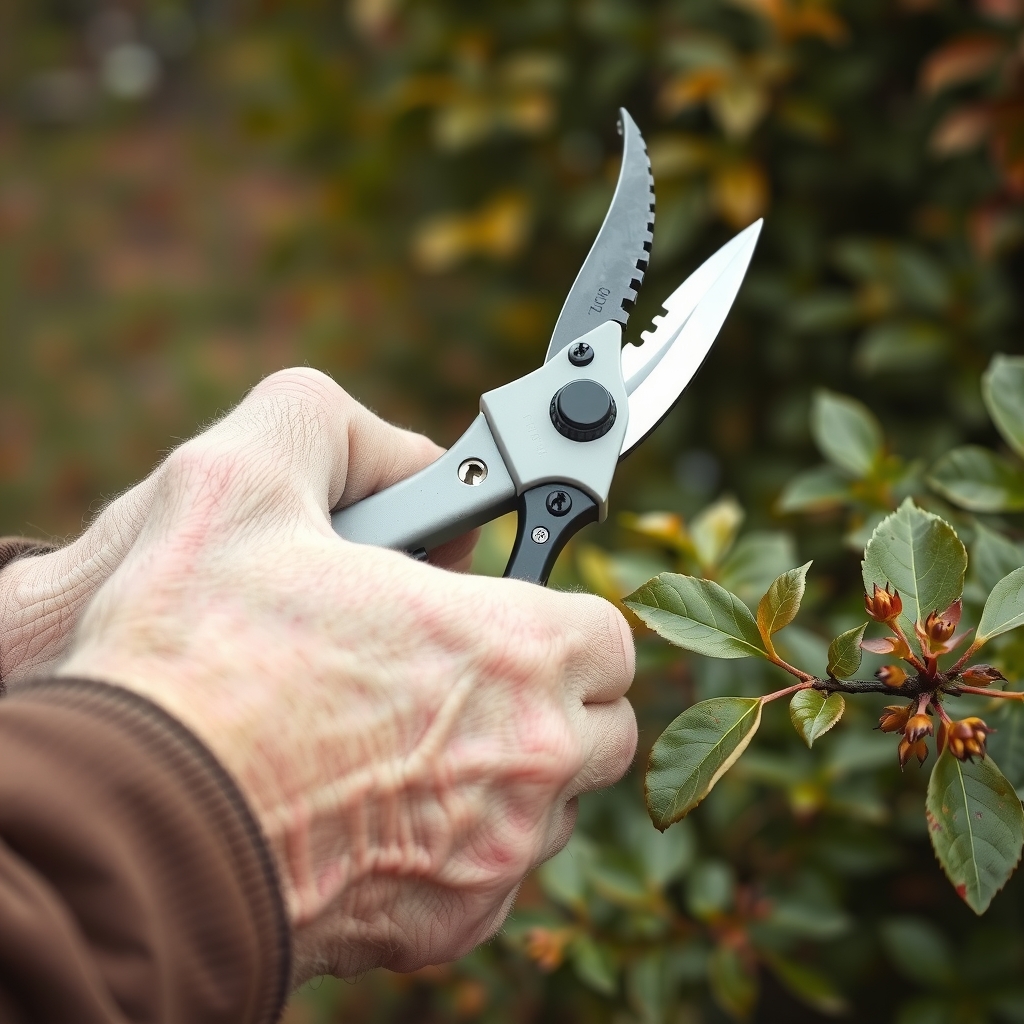
Illustrative image (AI-generated), not the exact product.
The ratchet cuts in stages, so a thick stem takes several light squeezes instead of one hard one. Corona lists a 3/4-inch capacity, a steel blade and cushioned non-slip handles. It is slower than a standard pruner, but much easier on sore hands.
Good for: arthritis, weak grip, thicker stems. Skip if: you want fast cuts on soft stems.
7. Best for dead wood: Fiskars Power-Lever Anvil Pruning Shears
Dead wood
Fiskars Power-Lever Anvil Pruning Shears, 5/8-Inch Cut
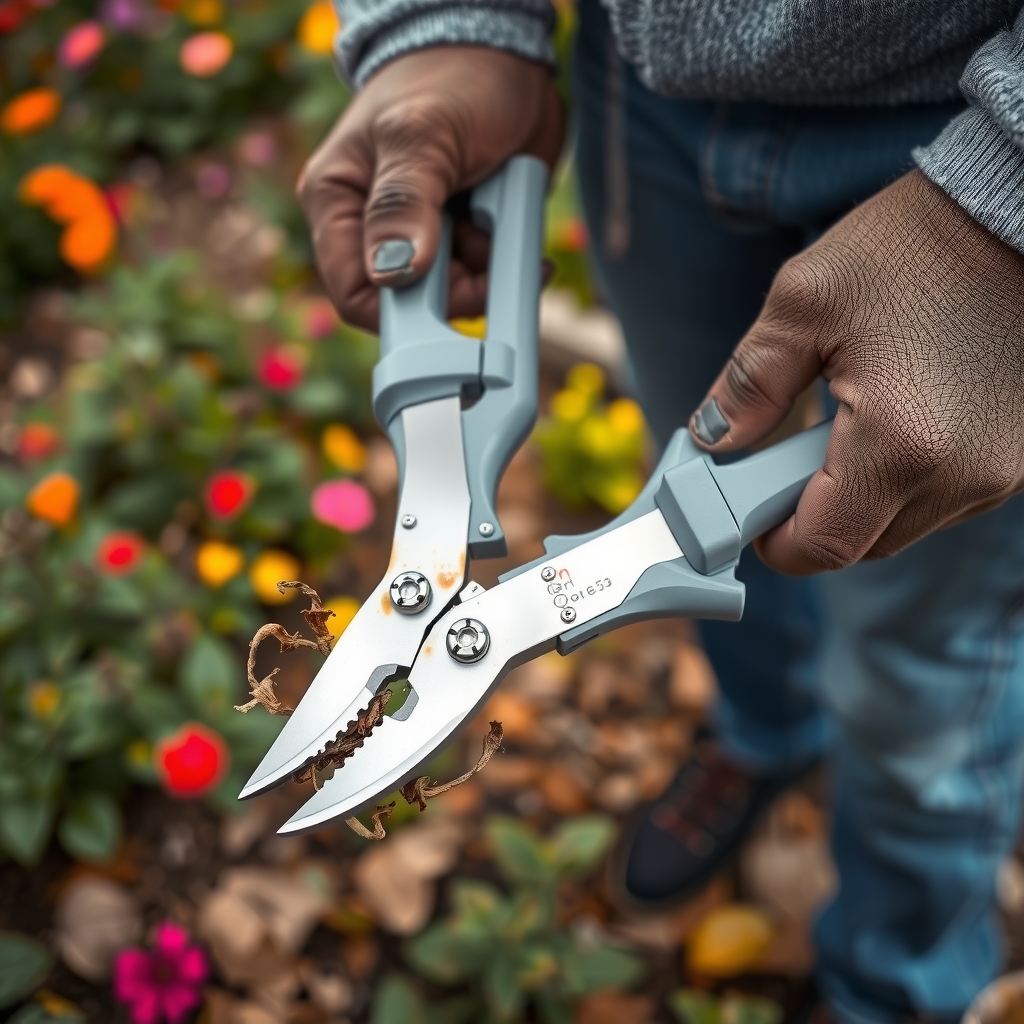
Illustrative image (AI-generated), not the exact product.
An anvil pruner for dry, dead growth: cutting back old perennial stems, clearing dead twigs and fall cleanup. Fiskars lists a Power-Lever design for more leverage and a precision-ground steel blade.
Good for: dead stems, fall cleanup. Skip if: this would be your only pruner.
How to use and care for pruning shears
- Blade side toward the plant. Keep the sharp blade on the side of the stem you are keeping, so the cut is clean right where the plant will heal. University of Maryland Extension also advises cutting with the blade side moving up and through or across the branch, not down through it, which can tear.
- Cut just above a bud or just outside the branch collar, and don’t leave stubs.
- Don’t twist or force. If you have to strain, switch to loppers.
- Clean between plants when cutting diseased wood. University of Maryland Extension suggests 70 percent alcohol, or bleach diluted 1 to 9 with water, rinsed off afterward.
- Sharpen and oil. Keep blades sharp and store pruners dry. See our winter tool storage guide.
- Prune at the right time. Most fruit trees are best pruned in late winter. See when to prune fruit trees in Iowa.
FAQs
What are the best pruning shears for most gardeners?
A bypass pruner that fits your hand and cuts up to about 3/4 inch suits most gardens. The Fiskars PowerGear2 is a strong all-round pick because its geared handle reduces effort. On a budget, the Fiskars SoftGrip covers lighter work.
Are bypass or anvil pruners better?
Bypass pruners are better for live plants. University of Maryland Extension says they reduce tearing and crushing of tissue. Anvil pruners are best kept for dry, dead stems.
How thick a branch can hand pruners cut?
NC State Extension recommends hand pruners for limbs typically under 1/2 inch. Many are listed at 5/8 to 1 inch, but if you have to squeeze hard, the stem is too big and you should use loppers.
What pruning shears are best for arthritis or a weak grip?
Ratchet pruners, like the Corona ratchet hand pruner, cut in several small squeezes. Geared pruners like the Fiskars PowerGear2 also reduce effort. Choose a size that fits your hand.
How do I clean pruning shears?
Wipe off sap and dirt after use, and dry and oil the blade. When cutting diseased plants, University of Maryland Extension suggests disinfecting with 70 percent alcohol, or bleach diluted 1 to 9 with water, then rinsing.
Sources
- University of Maryland Extension – Pruning Tools
- NC State Extension – Tools to Make the Cut
- University of Missouri – Essential Tools for Pruning Fruit Trees
Explore more Lawn & Garden guides.