
Lawn & Garden • Iowa Planting Dates • Updated October 29, 2026
Last Frost Date in Iowa by City: Average and Safe Planting Dates
Explore related guides: Gardening in Iowa: all guides · When to start seeds in Iowa · When to plant tomatoes in Iowa · When to plant garlic in Iowa · When to plant potatoes in Iowa.
Almost every Iowa planting decision starts with one date: the last spring frost. It tells you when to start seeds indoors, when to plant peas and lettuce, and when it is finally safe to set out tomatoes. Here is the last frost date in Iowa for 18 cities, based on Iowa State University Extension data, with both the average date and a safer date for tender plants.

The short answer
The average last spring freeze in Iowa runs from about April 13 in the far southeast (Keokuk) to about May 2 in the far northeast (Decorah). Central Iowa, including Des Moines and Ames, averages around April 22 to 25. An average date still means a 50 percent chance of a later freeze, so for tomatoes, peppers and other tender plants, use the “safe” date in the table below, which is late April in the southeast and early to mid-May in most of the state.
Average last frost date in Iowa by city
| City | County | Average last spring freeze | Safe date (90%) | Average first fall freeze |
|---|---|---|---|---|
| Des Moines | Polk | April 22 | May 4 | October 10 |
| West Des Moines / Waukee | Dallas | April 25 | May 8 | October 6 |
| Ames | Story | April 24 | May 6 | October 7 |
| Cedar Rapids | Linn | April 26 | May 9 | October 6 |
| Iowa City | Johnson | April 22 | May 6 | October 9 |
| Davenport | Scott | April 15 | April 30 | October 19 |
| Waterloo / Cedar Falls | Black Hawk | April 28 | May 11 | October 5 |
| Sioux City | Woodbury | April 26 | May 10 | October 4 |
| Council Bluffs | Pottawattamie | April 24 | May 8 | October 8 |
| Dubuque | Dubuque | April 23 | May 6 | October 9 |
| Mason City | Cerro Gordo | April 29 | May 11 | October 5 |
| Fort Dodge | Webster | April 26 | May 9 | October 7 |
| Spencer | Clay | April 28 | May 11 | October 5 |
| Decorah | Winneshiek | May 2 | May 18 | October 3 |
| Ottumwa | Wapello | April 16 | April 30 | October 15 |
| Burlington | Des Moines County | April 15 | April 28 | October 19 |
| Clinton | Clinton | April 18 | May 2 | October 14 |
| Keokuk | Lee | April 13 | April 25 | October 19 |
How to read it: “Average” is the average date of the last 32°F freeze. ISU’s “late” date, shown here as the safe date, is the day after which only 10 percent of last spring freezes occurred. Your yard can differ: low spots and river valleys collect cold air, while yards near buildings and pavement stay warmer. Don’t see your town? ISU lists every Iowa county; links are in the sources.
How to use your last frost date
- Count back to start seeds indoors. Tomatoes and peppers are usually started about 6 to 8 weeks before the last frost. See our Iowa seed starting calendar.
- Plant cold-hardy crops early. Peas, spinach, lettuce, onions and potatoes go in several weeks before the last frost, as soon as the soil can be worked.
- Wait for the safe date for tender crops. Tomatoes, peppers, basil, cucumbers and squash are killed by frost; plant them after the safe date, when soil has warmed.
- Watch the 10-day forecast. Averages plan the season; the forecast decides the week. Keep a frost cloth handy through mid-May.
What to plant around the last frost
| Timing | Crops |
|---|---|
| 4 to 6 weeks before | Peas, spinach, onion sets, potatoes, lettuce from seed |
| 2 to 3 weeks before | Broccoli and cabbage transplants, carrots, beets, radishes |
| Around the average date | Sweet corn (once soil warms), beans in warmer areas |
| After the safe date | Tomatoes, peppers, eggplant, basil, cucumbers, squash, melons |
For tomatoes specifically, see when to plant tomatoes in Iowa.
Frost vs. freeze: why it matters
ISU explains that the two terms are often used interchangeably but are not the same. A frost forms when water vapor freezes onto surfaces, like dew turning to ice, and it can happen on clear, calm nights even when the air a few feet up is slightly above 32°F. A freeze is when the air itself drops below 32°F. Either can damage tender plants, though freezes usually do more harm. The table above uses 32°F freeze dates, so on clear, still nights near those dates, cover tender plants even if the forecast low is 34 to 36°F.
Tools for frost-season planting
All four were listed as sold by Amazon.com at the time of writing. Check the current listing before you buy.
Know when the soil is ready: Taylor Soil Thermometer
Product pick
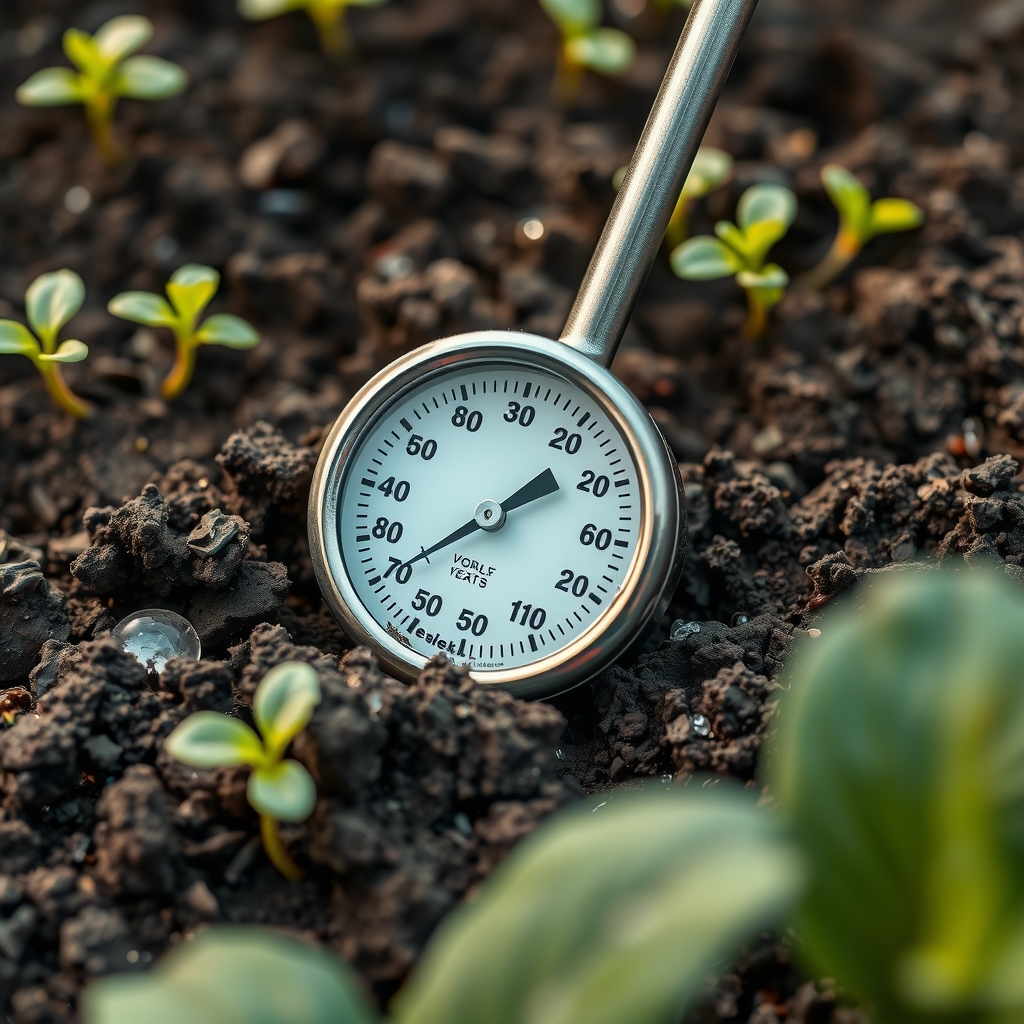
Taylor Soil Thermometer with Silicone Bumper
Illustrative image (AI-generated), not the exact product.
Frost-free air is only half the story; warm-season crops also need warm soil. This stainless steel probe reads below the surface from 20 to 180°F, and the dial shows minimum, maximum and optimal ranges for germination, so you can see when beds are ready for beans, corn or tomatoes.
Track overnight lows: AcuRite Indoor/Outdoor Thermometer with Daily Highs and Lows
Product pick
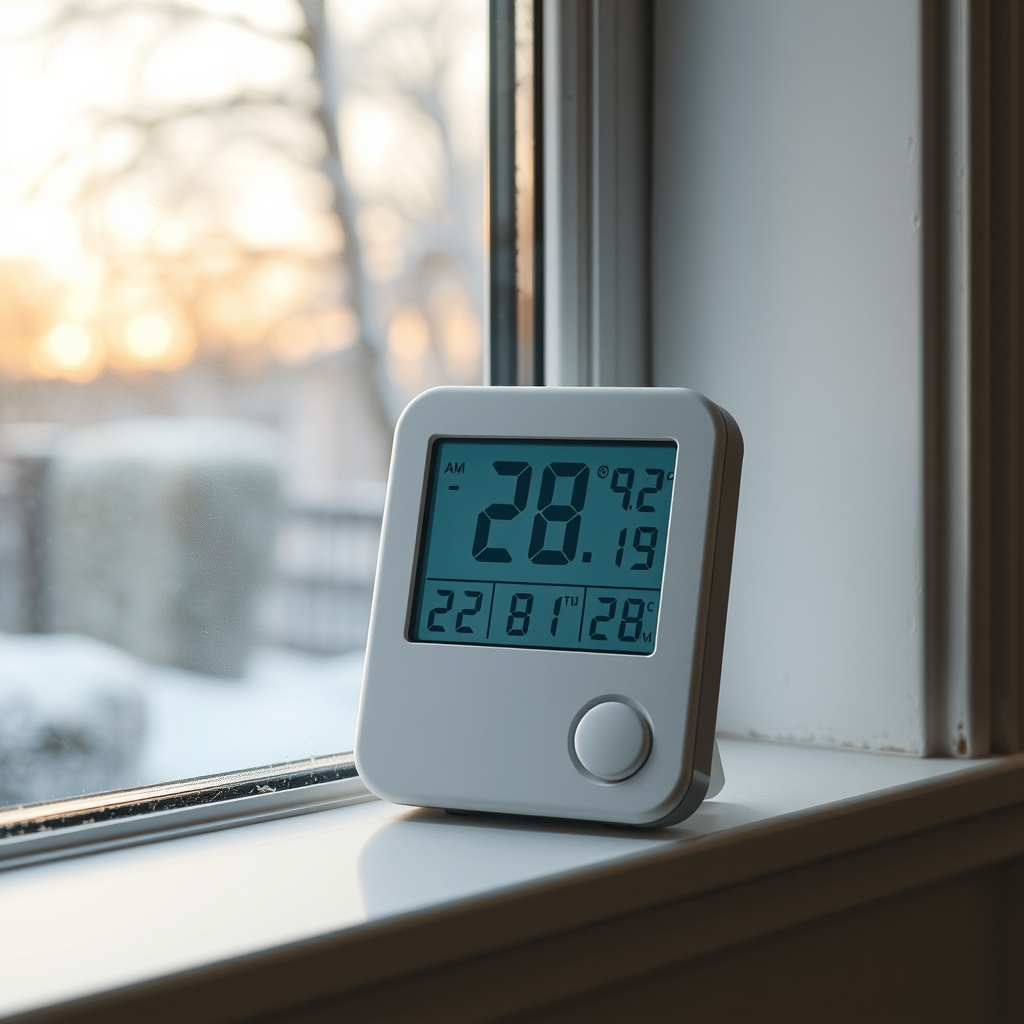
AcuRite Digital Indoor/Outdoor Thermometer with Daily Highs and Lows (00424CA)
Illustrative image (AI-generated), not the exact product.
A simple wireless thermometer that records the high and low of the past 24 hours, so you can see how cold your own garden actually got overnight. Over a few springs you will learn whether your yard runs colder or warmer than the county average.
Get a frost alert: La Crosse Technology Weather Station with Custom Alerts
Product pick
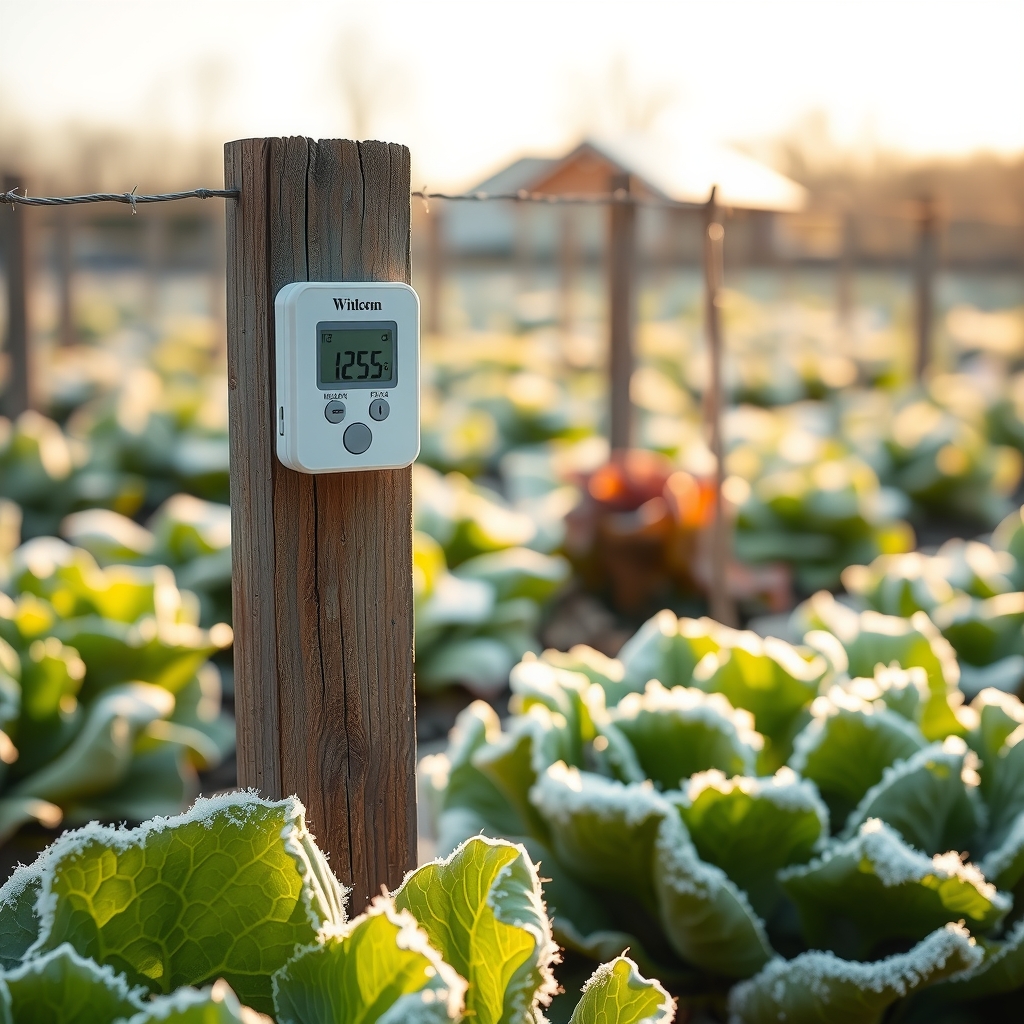
La Crosse Technology Weather Station with Customizable Alerts
Illustrative image (AI-generated), not the exact product.
A color weather station with a wireless outdoor sensor and custom high and low temperature alerts. Set the low alert to around 36°F and it warns you when it is time to cover plants. It also shows a forecast, dew point and humidity.
Cover plants on frosty nights: Amazon Basics Plant Covers, 10 x 30 ft
Product pick
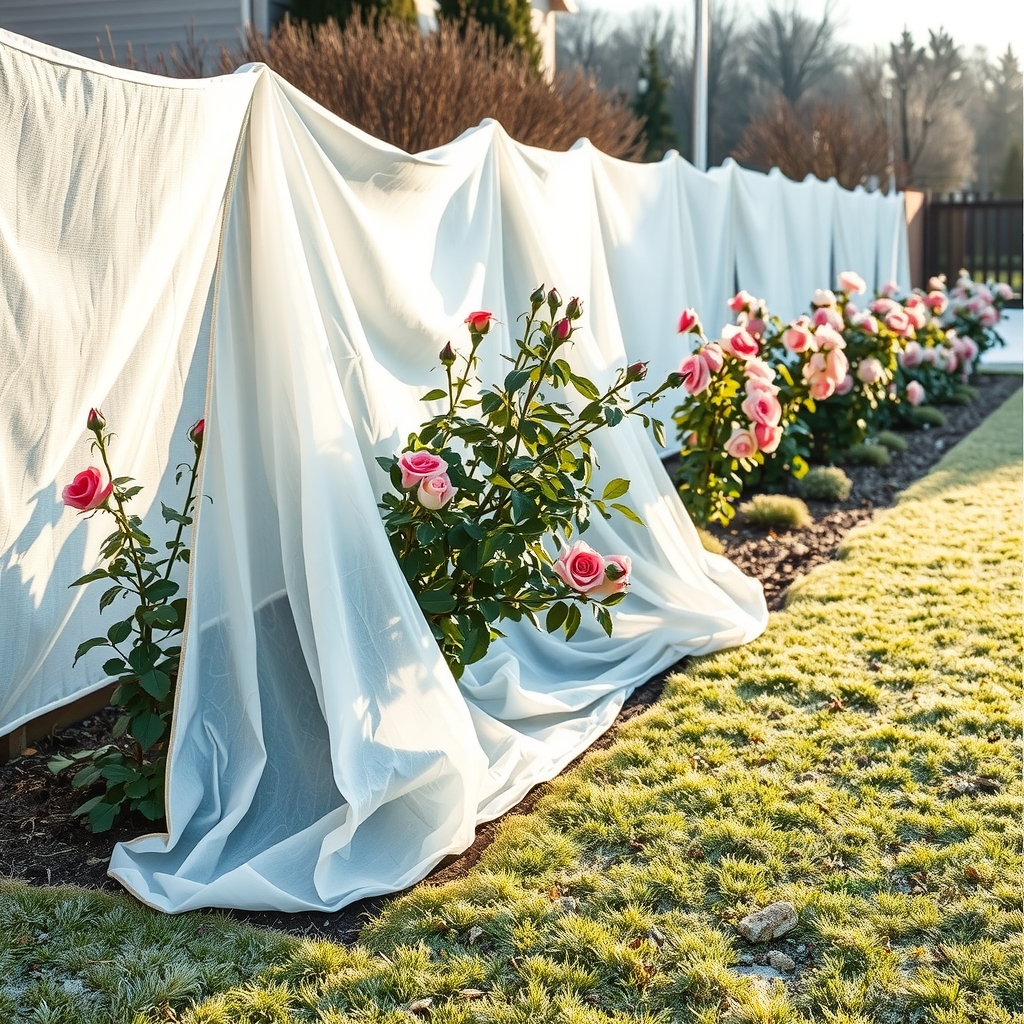
Amazon Basics Plant Covers for Frost Protection, 10 x 30 ft
Illustrative image (AI-generated), not the exact product.
A lightweight, breathable frost cloth designed for light frost and late cold snaps, which is exactly what most Iowa springs bring after planting. Drape it over plants in the evening, weigh down the edges, and remove it once temperatures rise the next morning.
Conclusion
The last frost date in Iowa ranges from mid-April along the Mississippi in the southeast to early May in the northeast. Use the average date to plan seed starting and cool-season planting, the safe date for tomatoes and other tender crops, and your local forecast for the final call. Keep a frost cloth ready until mid-May.
FAQs
When is the last frost in Iowa?
Based on ISU Extension data, the average last 32°F freeze ranges from about April 13 in Lee County (Keokuk) to about May 2 in Winneshiek County (Decorah). Most of central Iowa averages around April 22 to 26.
When is the last frost in Des Moines?
Polk County averages April 22 for the last spring freeze. Only about 10 percent of years have a freeze after May 4.
When is it safe to plant tomatoes in Iowa?
After the safe date for your county, usually early to mid-May, when nights stay above 50°F and soil has warmed.
What is the difference between frost and freeze?
A frost is ice that forms on surfaces from water vapor; a freeze is when the air drops below 32°F. Frost can form on clear, calm nights even when the air temperature is slightly above freezing.
Can it frost in Iowa in May?
Yes. In about 10 percent of years the last freeze comes after early to mid-May in much of the state, and as late as May 18 in Winneshiek County.
When is the first fall frost in Iowa?
The average first fall freeze ranges from early October in the north and west to around October 19 in the southeast.
Sources and review scope
This guide was prepared on October 29, 2026. Frost and freeze dates are from Iowa State University Extension county tables based on 1950 to 2021 Midwestern Regional Climate Center data. Sellers were checked on Amazon.com on the same date.
- Iowa State University Extension – Frost and freeze dates in Iowa (all counties)
- ISU Extension – O’Brien to Ringgold counties (Polk, Pottawattamie)
- ISU Extension – Jefferson to Lyon counties (Johnson, Linn, Lee)
- ISU Extension – Sac to Wapello counties (Scott, Story, Wapello)
- ISU Extension – Warren to Wright counties (Woodbury, Webster, Winneshiek)
Explore more Lawn & Garden guides.